








Your shopping cart is currently empty.
When patients trust you to deliver precise, predictable results, you need professional-grade tools that perform every time. Our selection of specialty aesthetics needles, cannulas, syringes, and other supplies gives you everything you need to administer treatment formulations accurately, effectively, and affordably.
Whether you’re a small business or a full-service medical aesthetics practice, Air-Tite has the specialty needles, syringes, and day-to-day supplies you need to provide expert care with confidence while keeping costs under control.
A fresh, user-friendly website with a wealth of comprehensive information on our top-rated aesthetics products.

Ensure you have all of the essential tools for opening your new MedSpa or Aesthetics Practice.
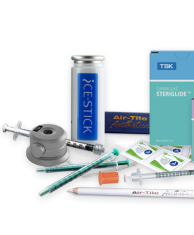


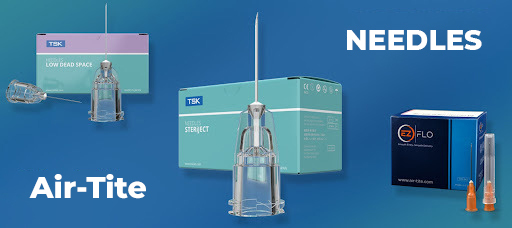
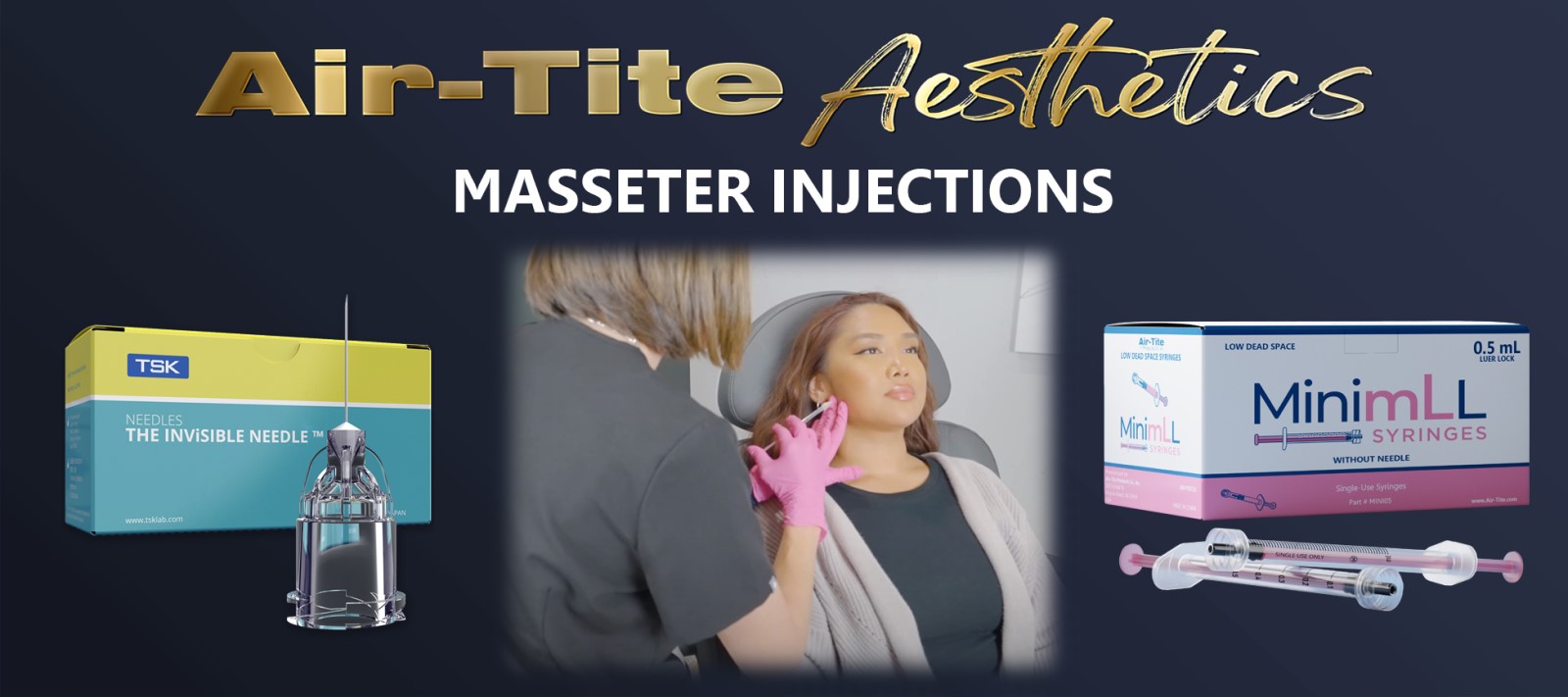
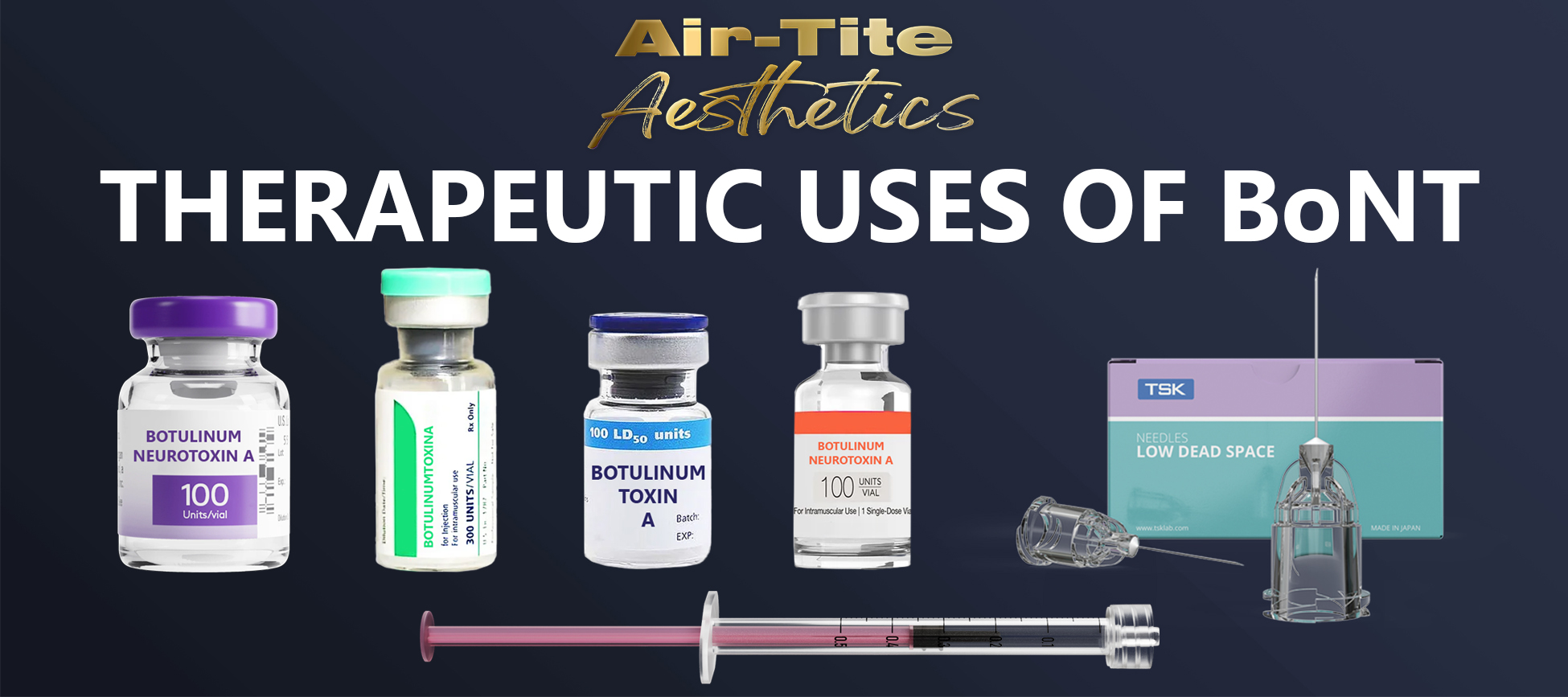
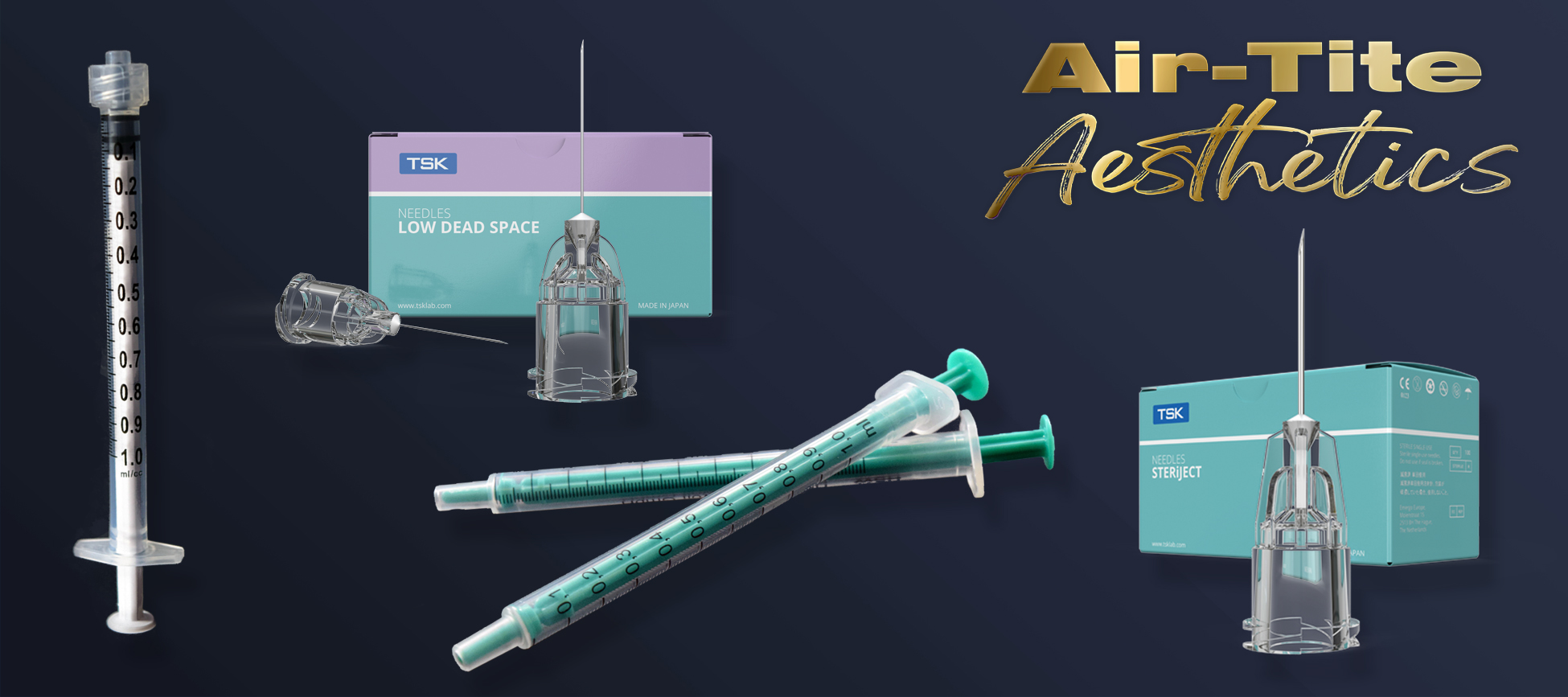
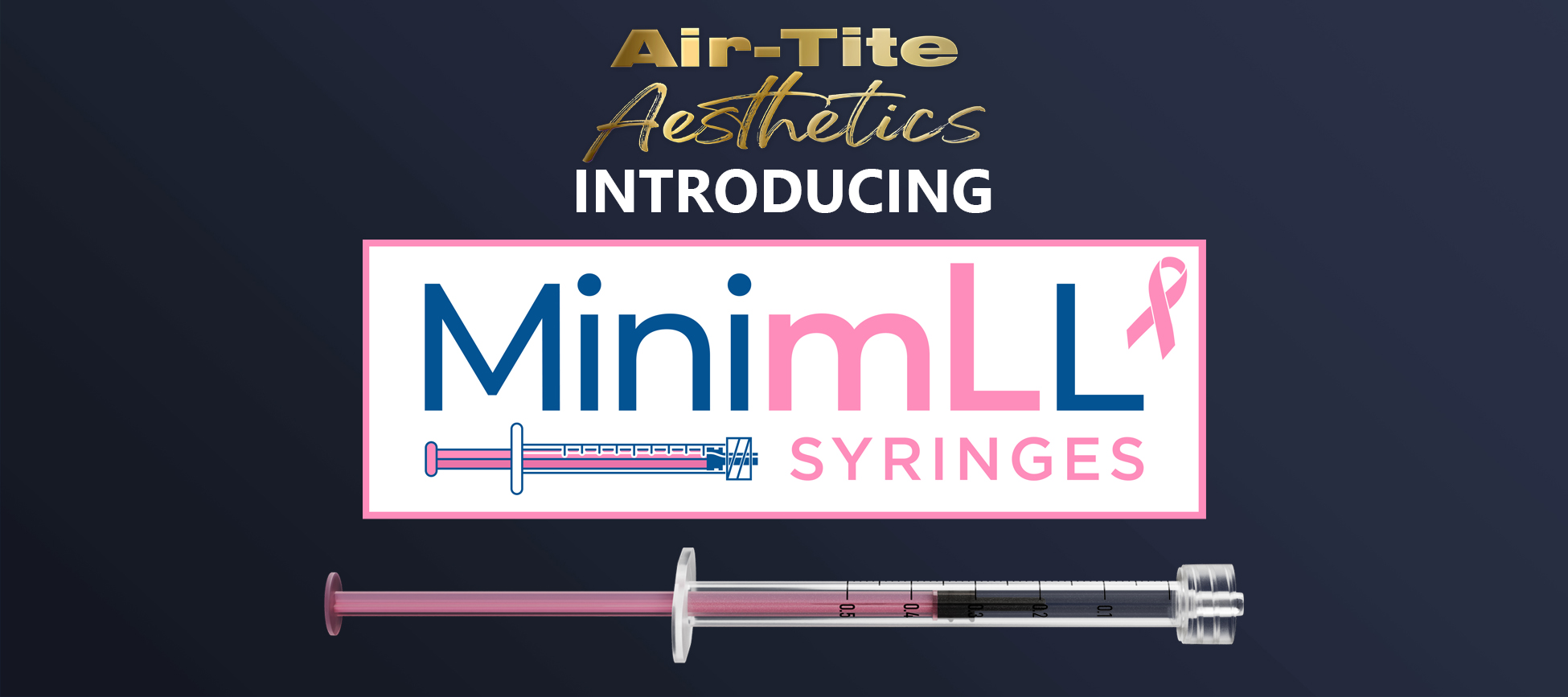
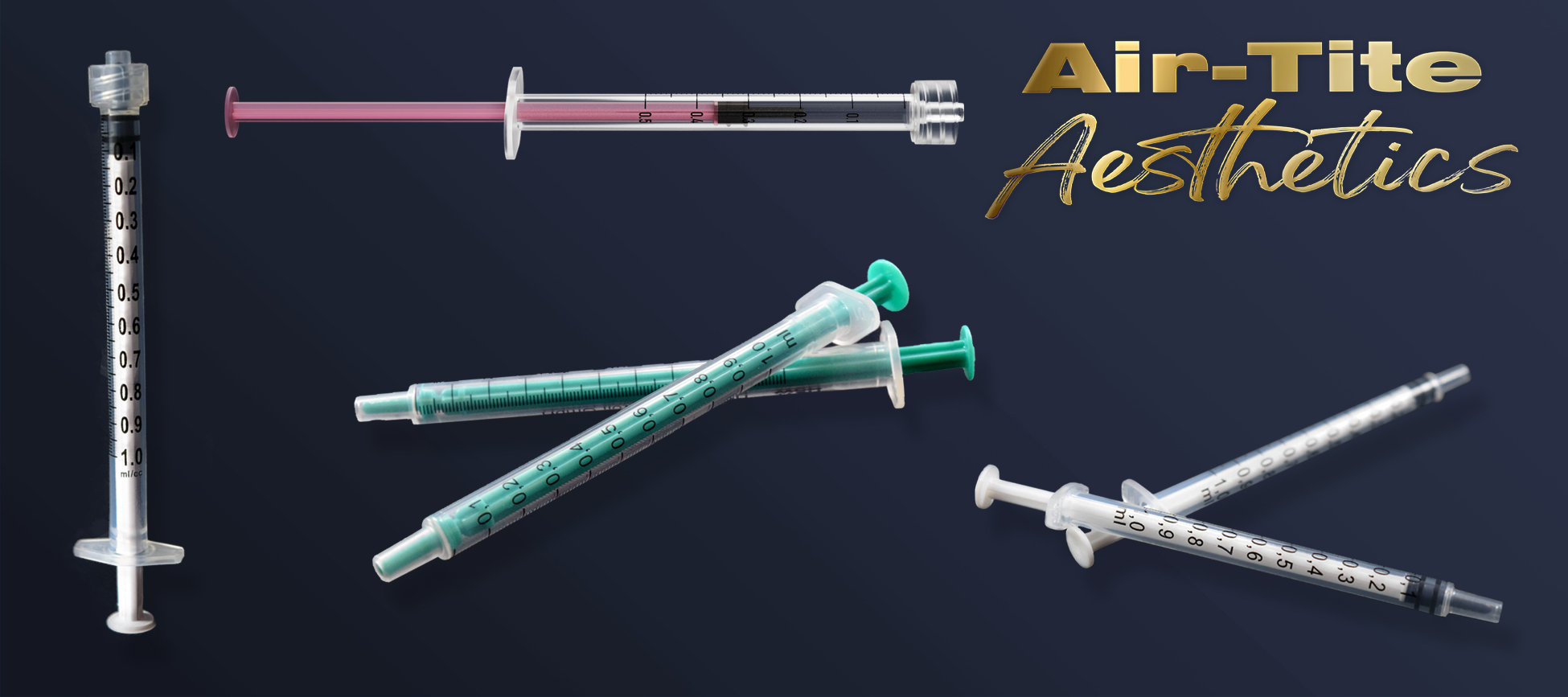
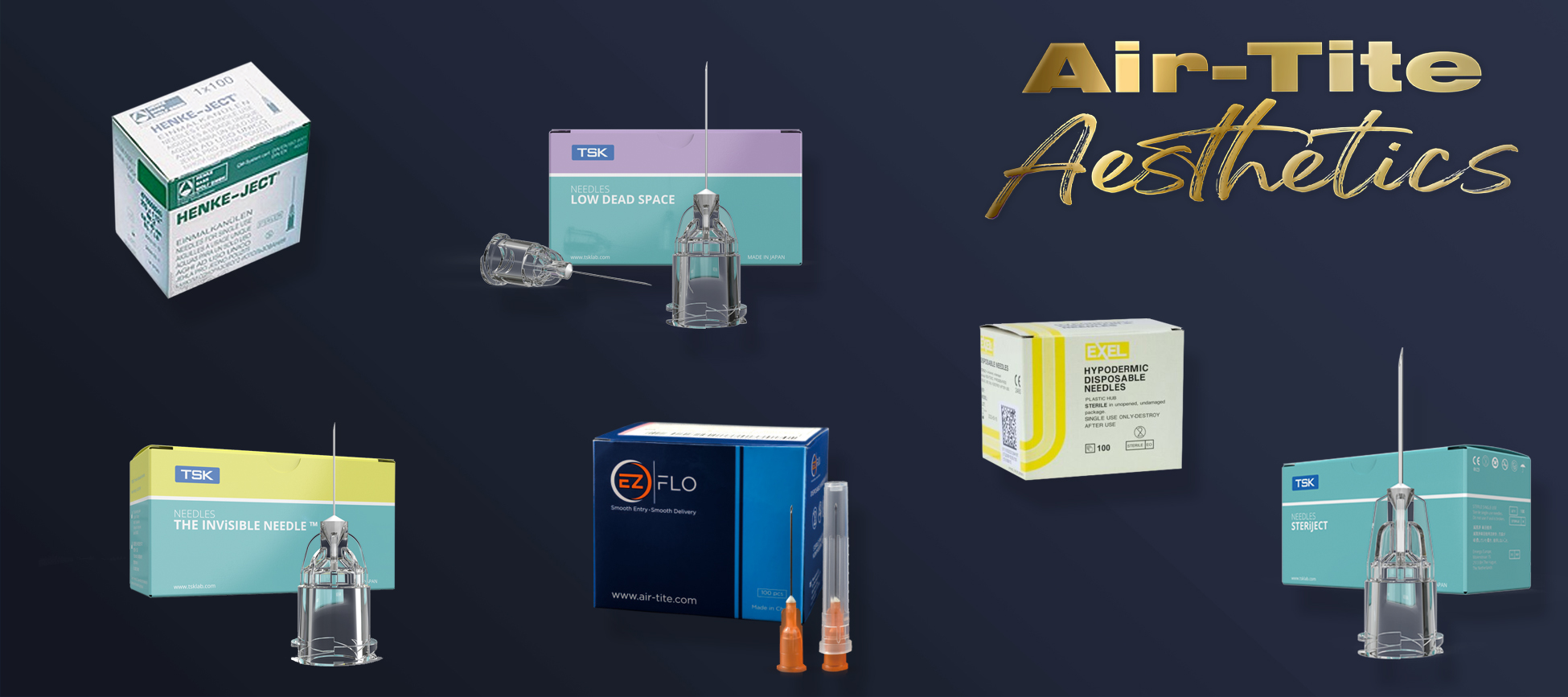
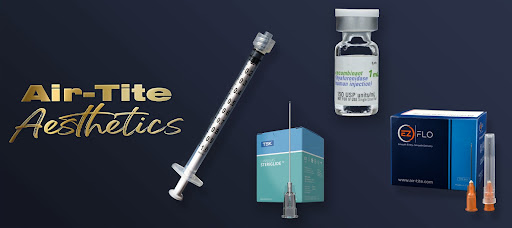
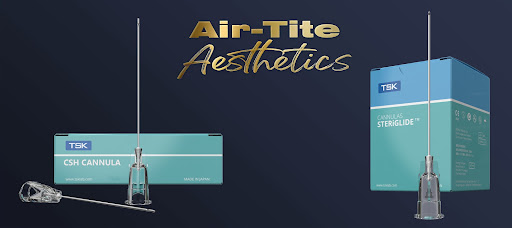
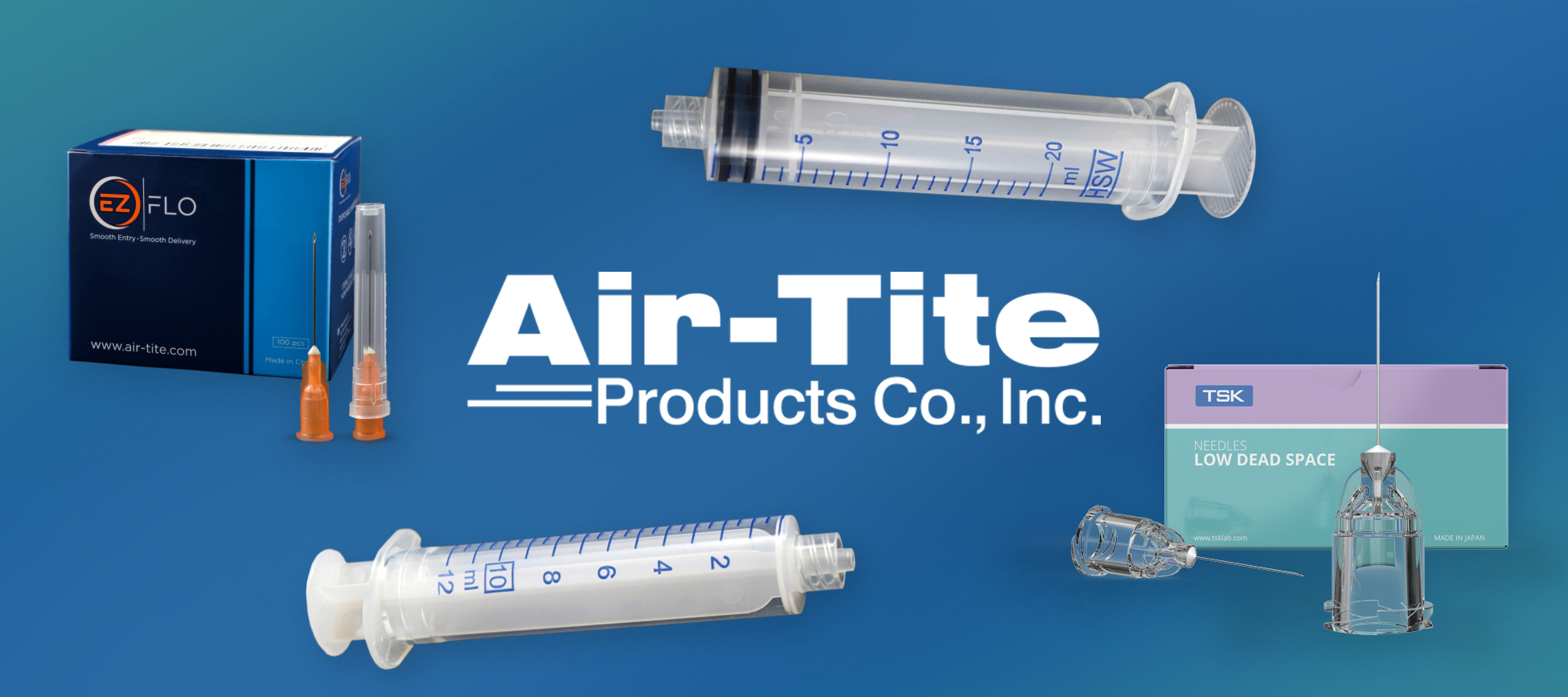
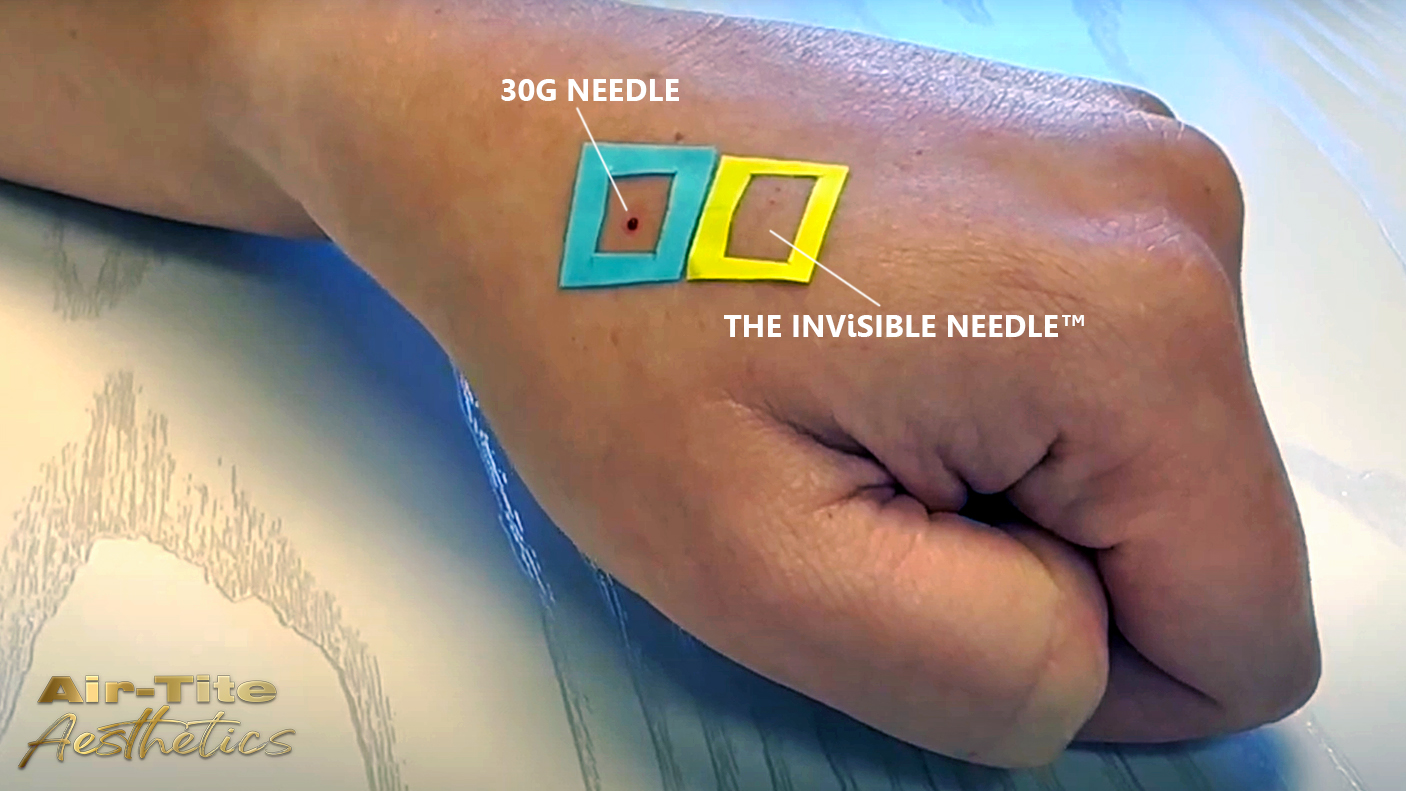
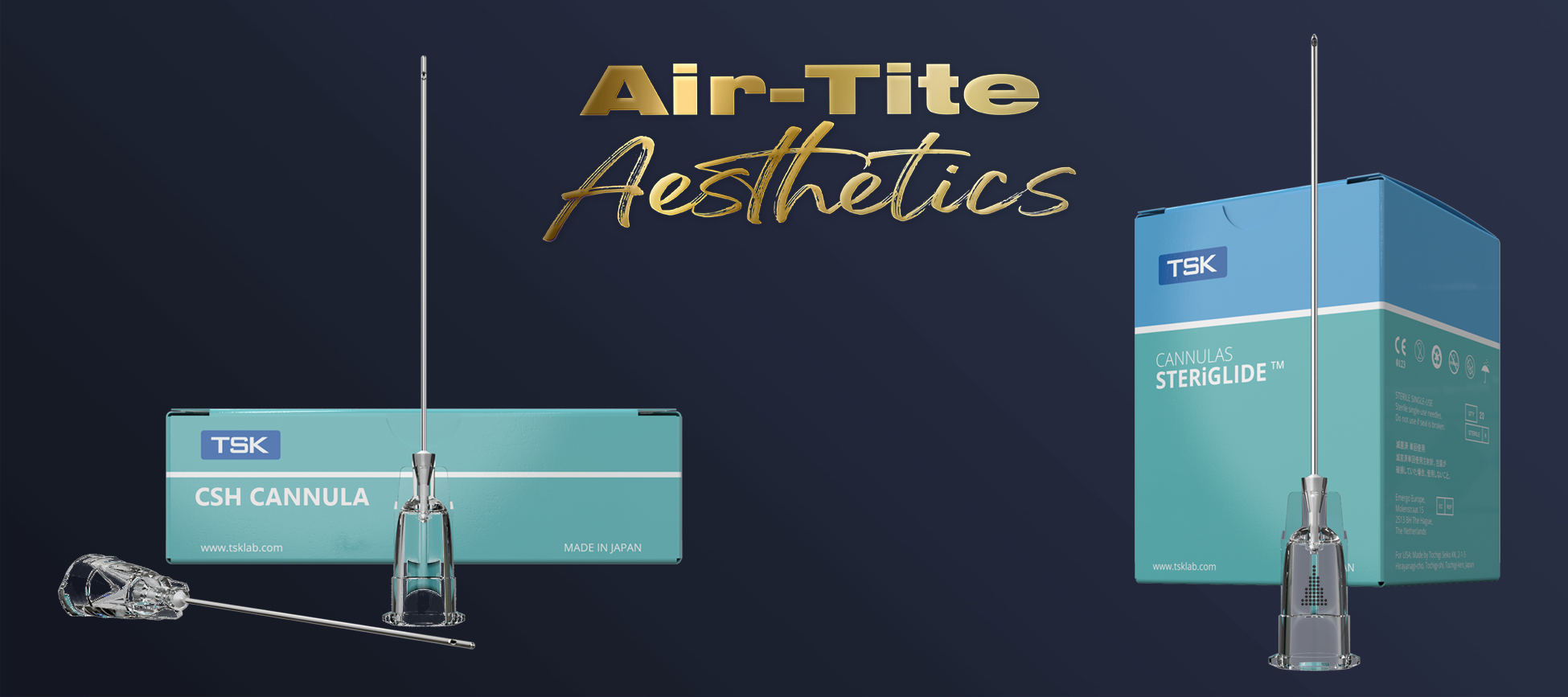
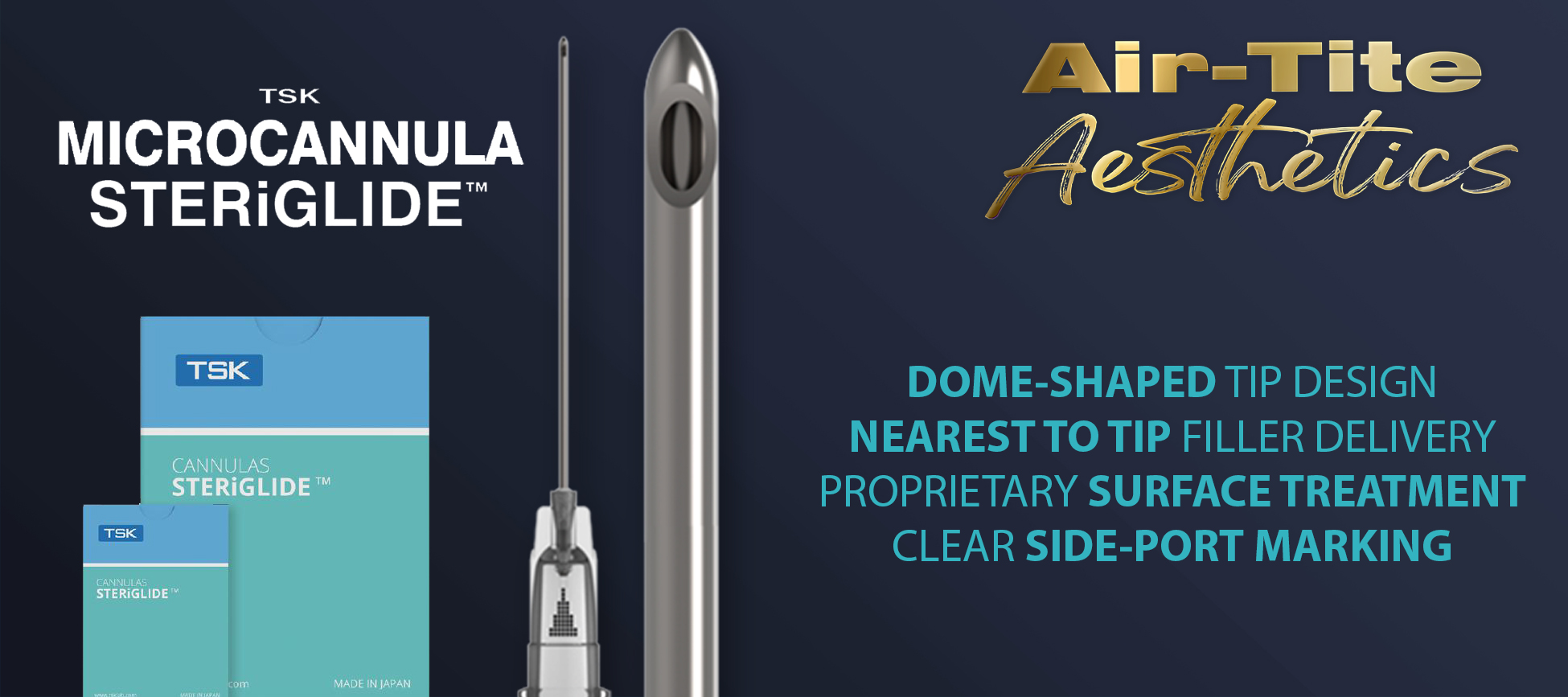
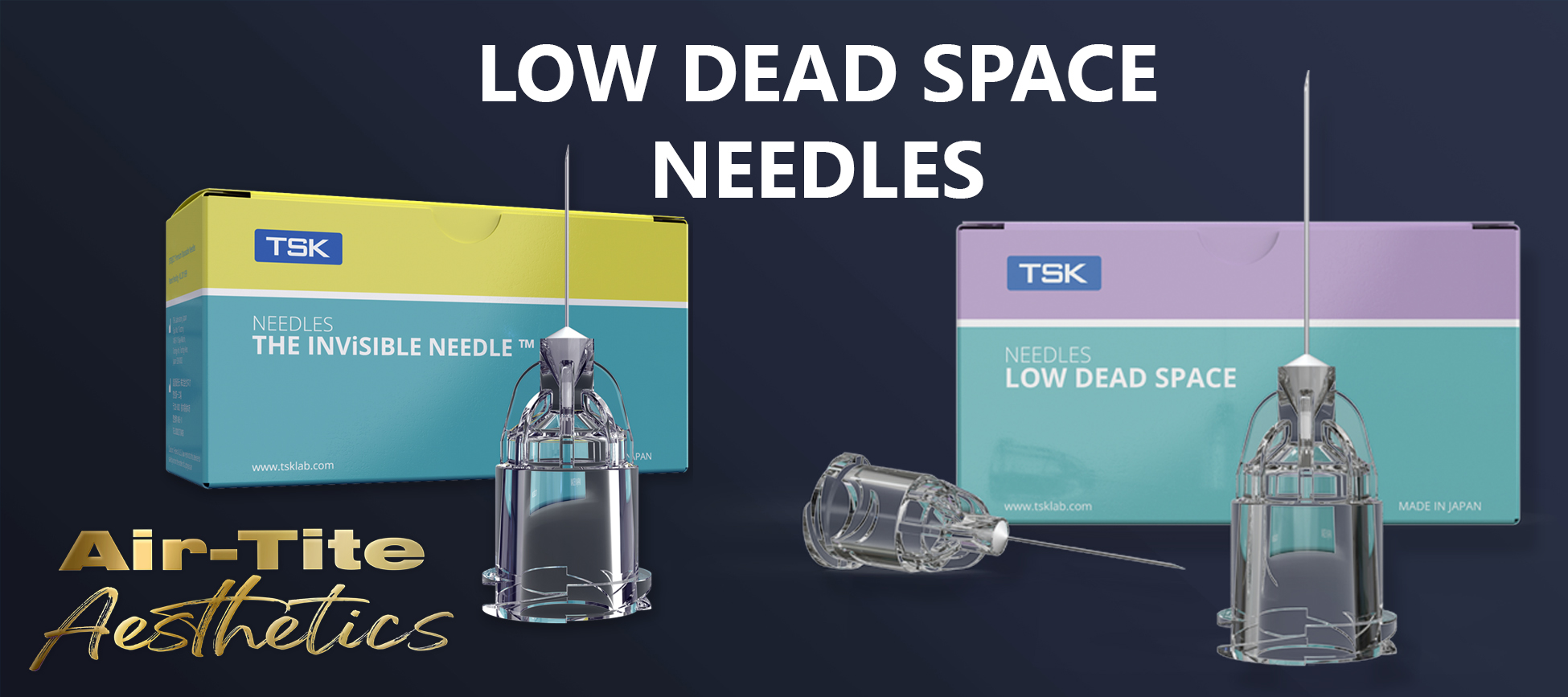
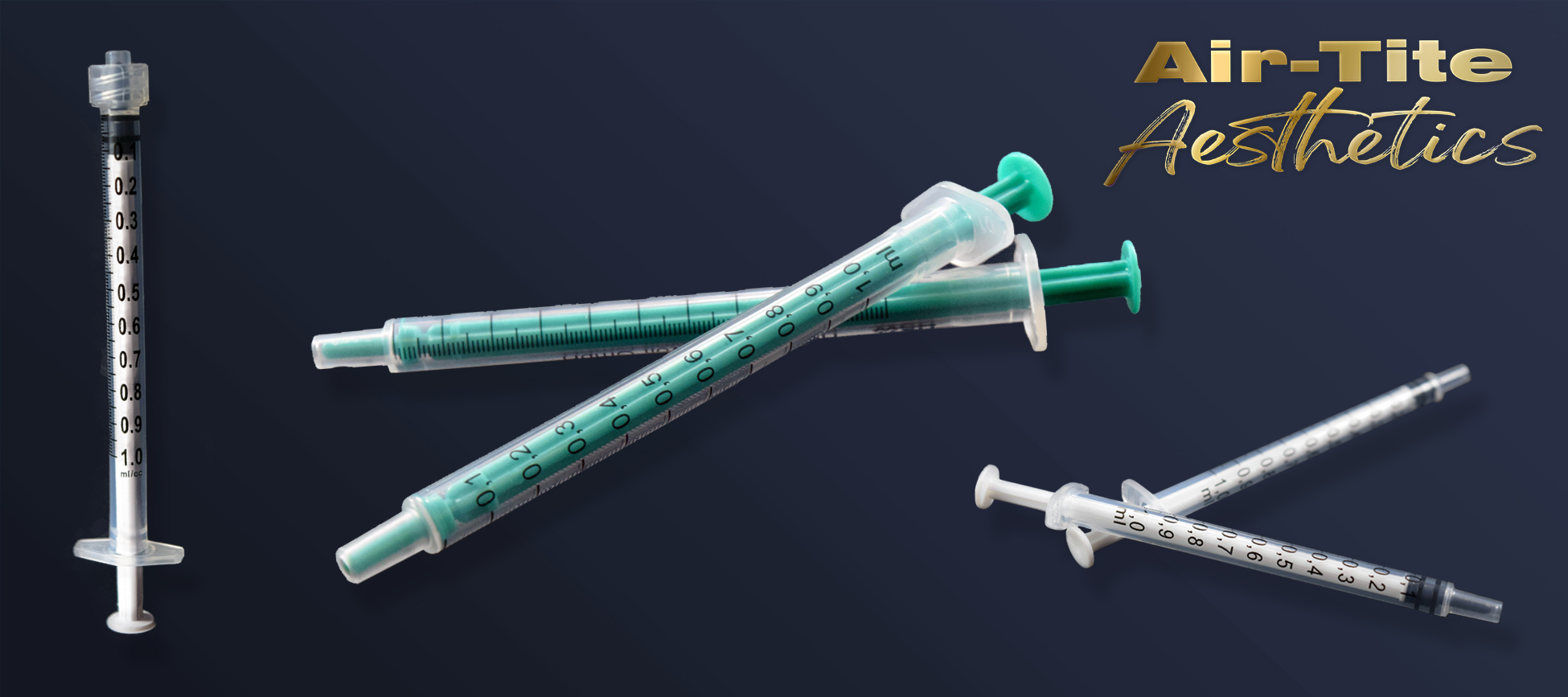
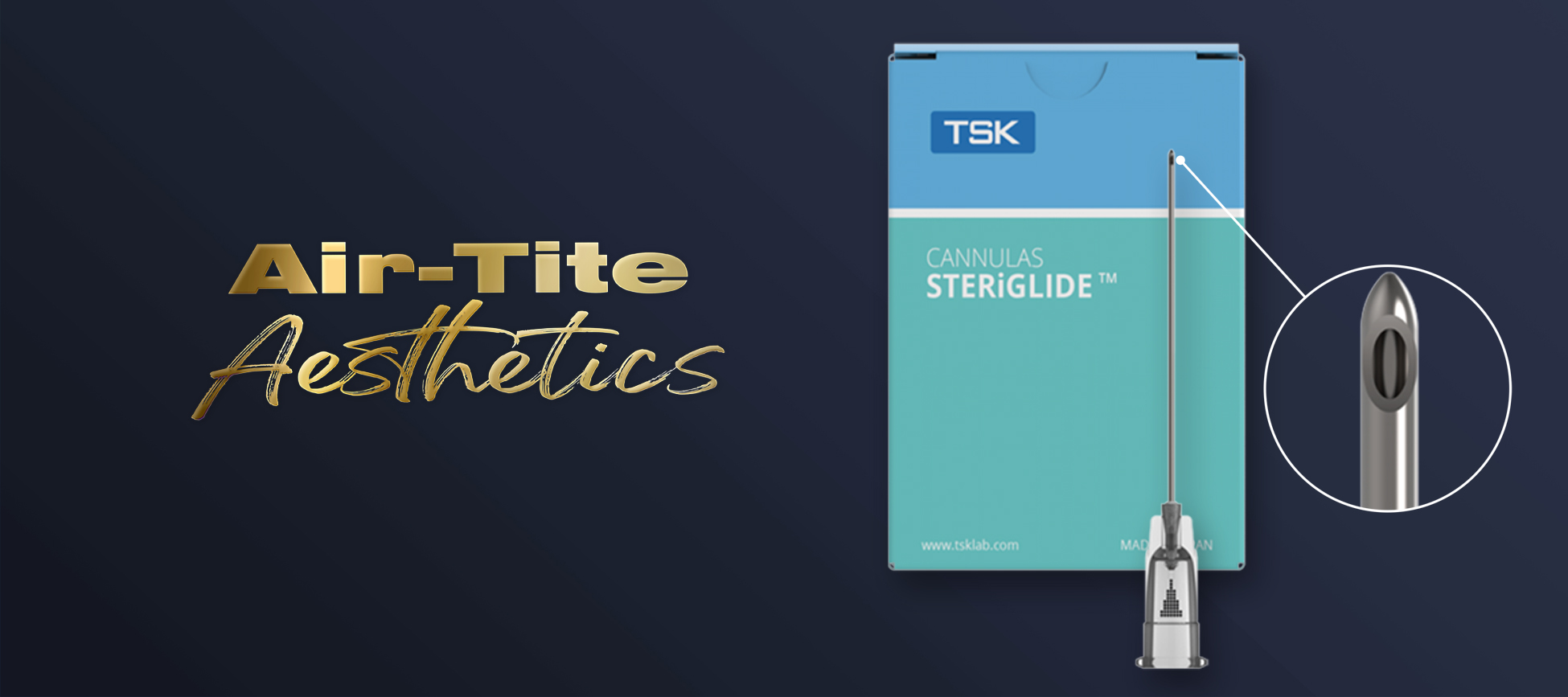
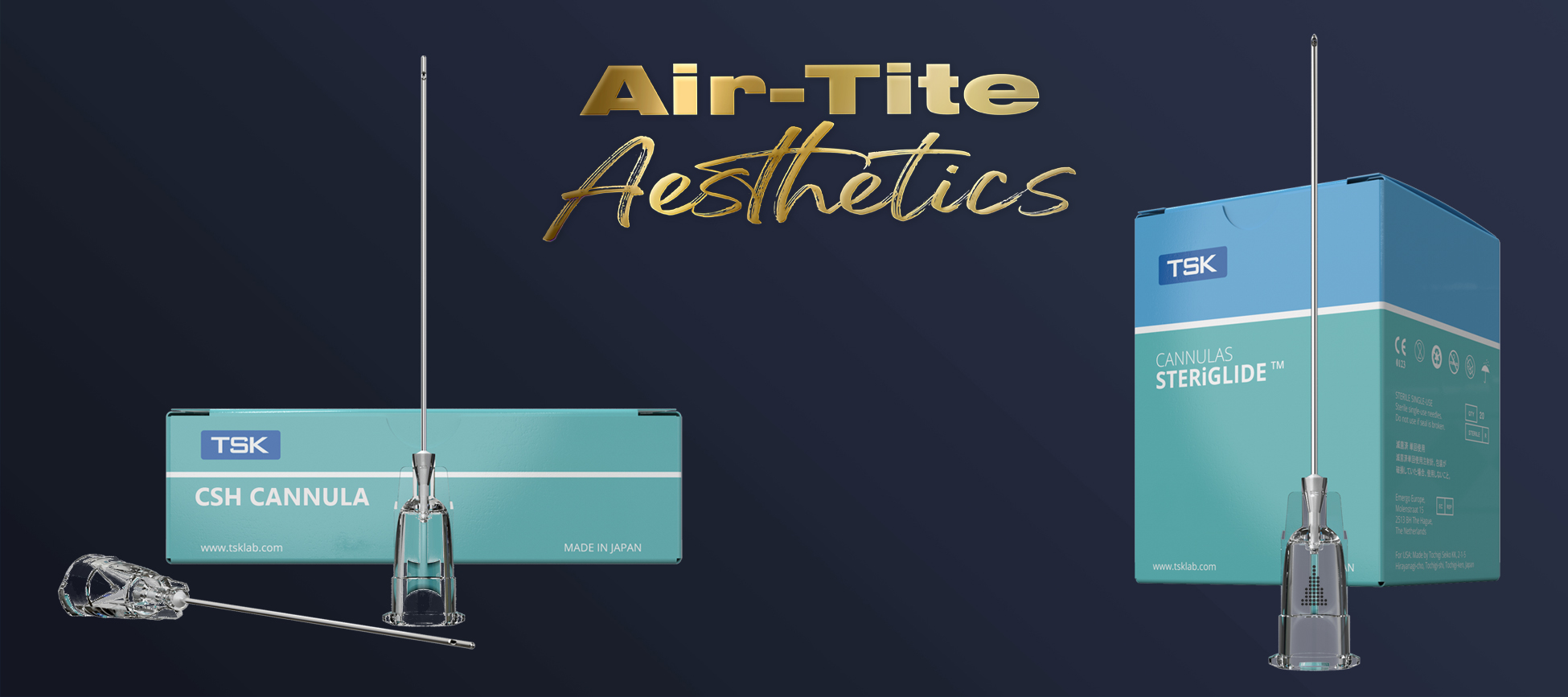
Air-Tite Aesthetics has become a staple in offices around the country due to the high quality products at reasonable prices. TSK Low Dead Space Needles and STERiGLIDE™ cannulas, 0.5 Low Dead Space Luer Lock Syringes, Fixed-Needle Insulin Syringes, and other hard to find aesthetic accessories are popular among aesthetics customers.

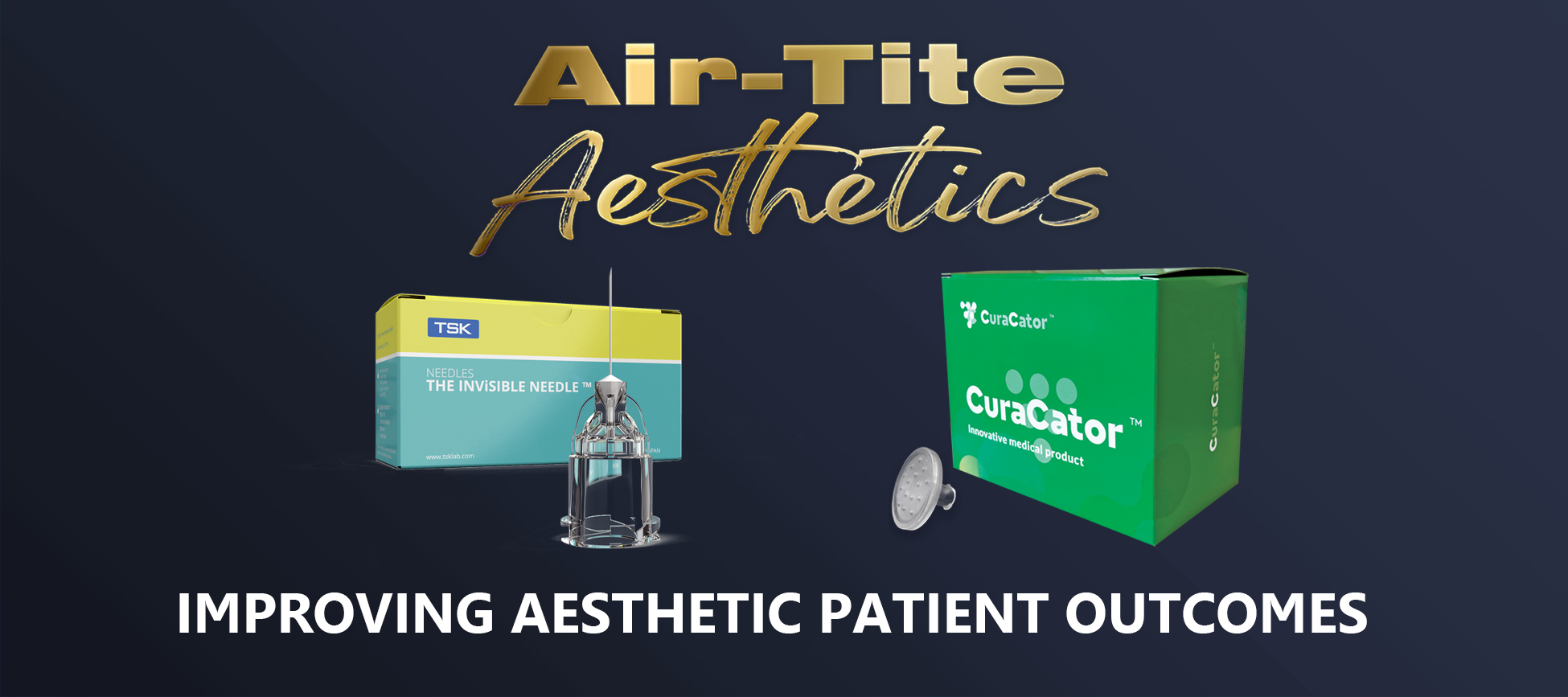
 CuraCator™ - Sterile Topical Applicator
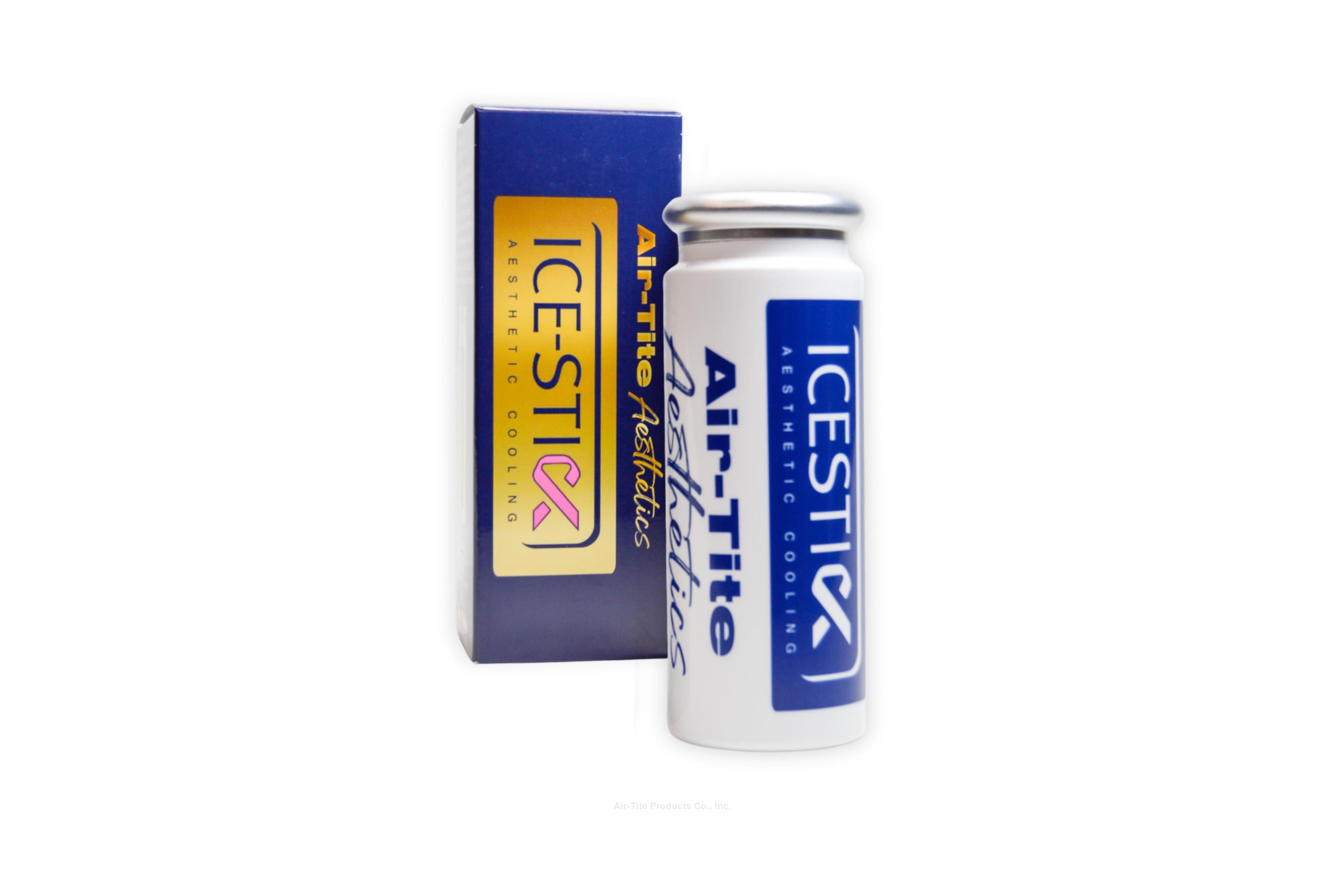 ICE-STICK Aesthetic Cooling Device
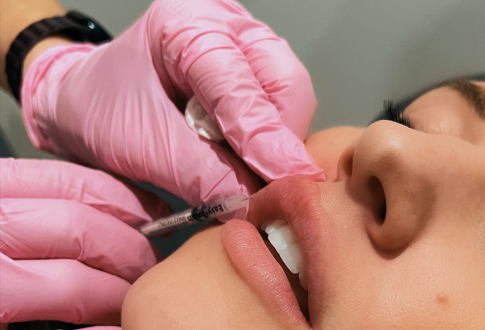
Ensure perfect placement of aesthetic toxins, dermal fillers, and topicals with maximum patient comfort every time. Choose durable hypodermics that stay sharp during multi-injection treatments. Pick dependable luer lock syringes and thin-walled needles for low-viscosity fillers.
Whatever your aesthetics application, Air-Tite is the leading source of quality brand-name needles, syringes, and other injectables equipment, all at affordable prices.
Air-Tite products are available directly from our warehouses or through popular medical suppliers including Cardinal, Delasco, Henry Schein, McKesson, and Medline.

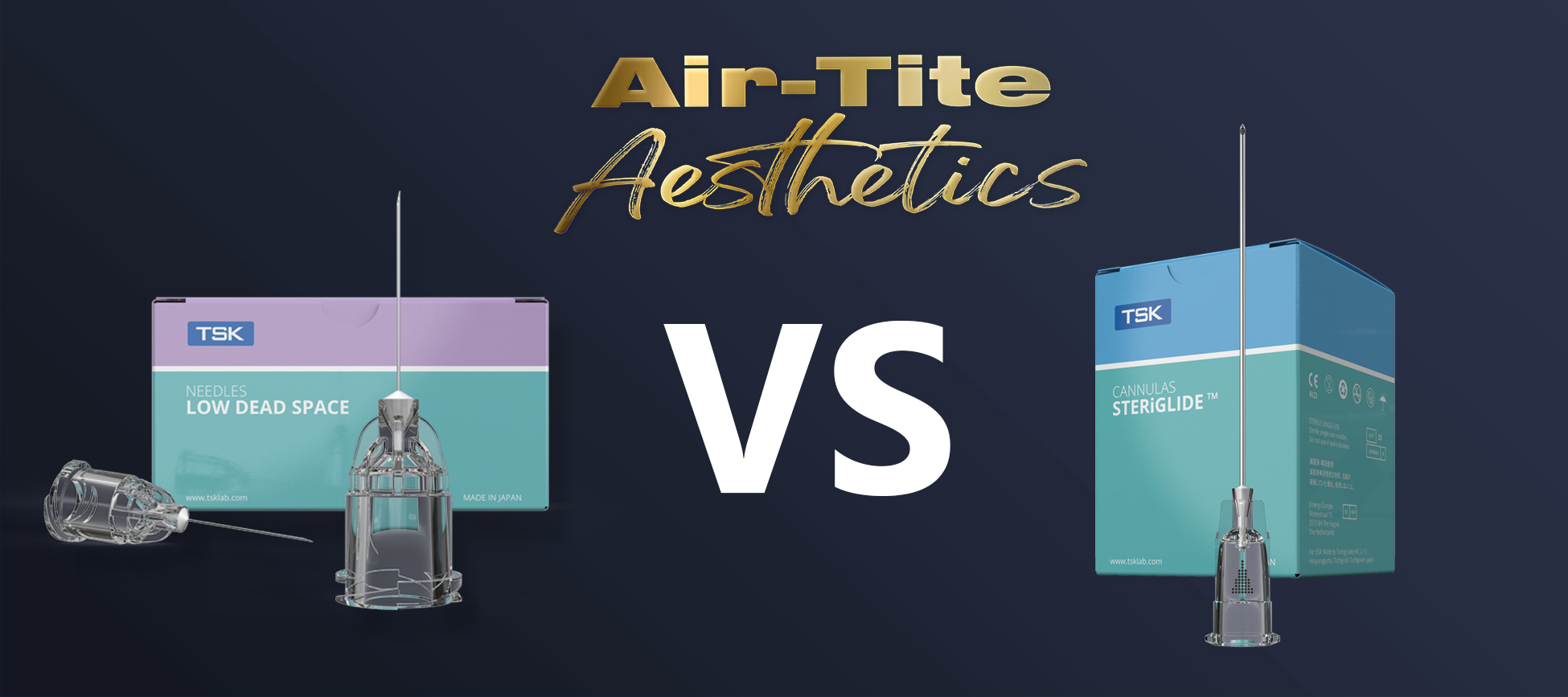
“Dead space” refers to the small area behind the tip of a syringe where conventional syringe plungers cannot reach. Product in this area cannot be injected during treatment and is often discarded. Air-Tite offers TSK Laboratory low dead space syringes and other products designed to reduce wastage of injectables.
Both luer lock and luer slip syringes accept standard hypodermic needles, but luer slip syringes secure these with a tight “friction” fit between the needle base and the syringe tip. Luer lock syringes instead use threads to secure the needle. Luer lock syringes are more provide an extra layer of security to reduce the risk of needle pop off.
Give us a call. Our helpful, knowledgeable customer service staff are ready to help you find the products, sizes, and combinations you need. And, unlike many aesthetic suppliers, Air-Tite can provide samples of our products for you to try.
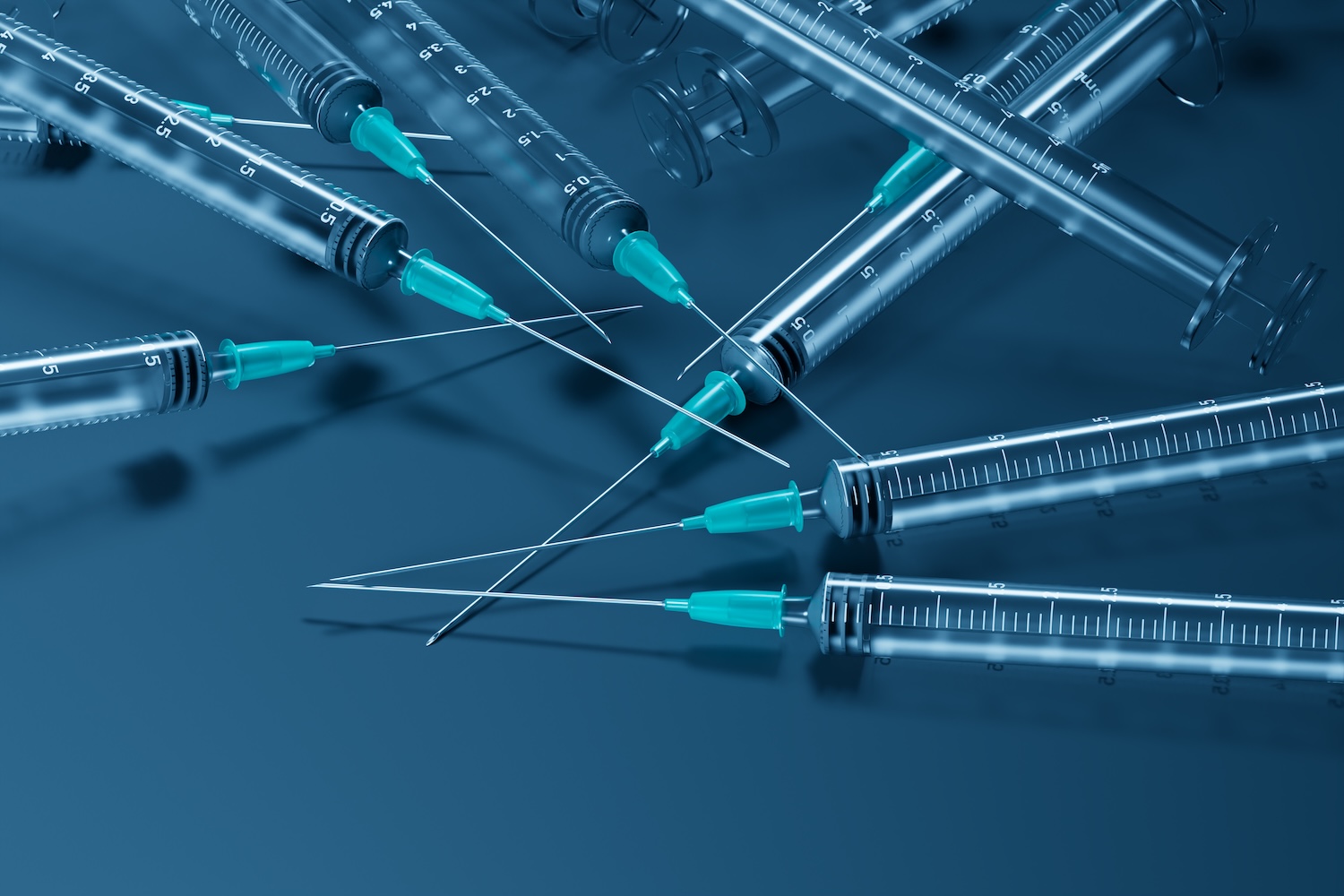
Choosing the right hypodermic needle and syringe is essential for effective dosing, product efficiency, and compatibility with diverse procedures across healthcare, aesthetics, animal health, and laboratory environments. With applications ranging from intramuscular injections and cosmetic treatments to laboratory sampling and veterinary medicine, these devices must meet the specific needs of each setting.
This comprehensive guide outlines the various types of hypodermic needles and syringes Air-Tite offers. It explains the different types of hypodermic syringes used in clinical, aesthetic, veterinary, and laboratory applications and breaks down key specifications such as gauge, length, bevel type, and syringe design. Understanding these specifications supports more informed purchasing decisions while helping to reduce waste, enhance precision, and promote safety.
Understanding Hypodermic Needle Specifications
Selecting the correct needle begins with understanding several fundamental attributes that impact its performance and suitability for specific tasks. Below are key needle specifications to consider when evaluating product fit for clinical, aesthetic, veterinary, or lab use.
1. Gauge
Needle gauge refers to the outer diameter of the needle. A higher gauge number indicates a thinner needle:
2. Length
Needle length determines how deeply the medication is delivered:
3. Bevel Type
The bevel—the angled tip—affects ease of entry and comfort:
Syringe Specifications That Matter
Syringes vary in design and construction, each element influencing dosing accuracy, product compatibility, and overall handling experience. Understanding the differences in volume, tip style, construction, and dead space can help practitioners select the most appropriate option for their specific application.
1. Volume
Choosing the appropriate syringe volume depends on the dose being delivered and the application type:
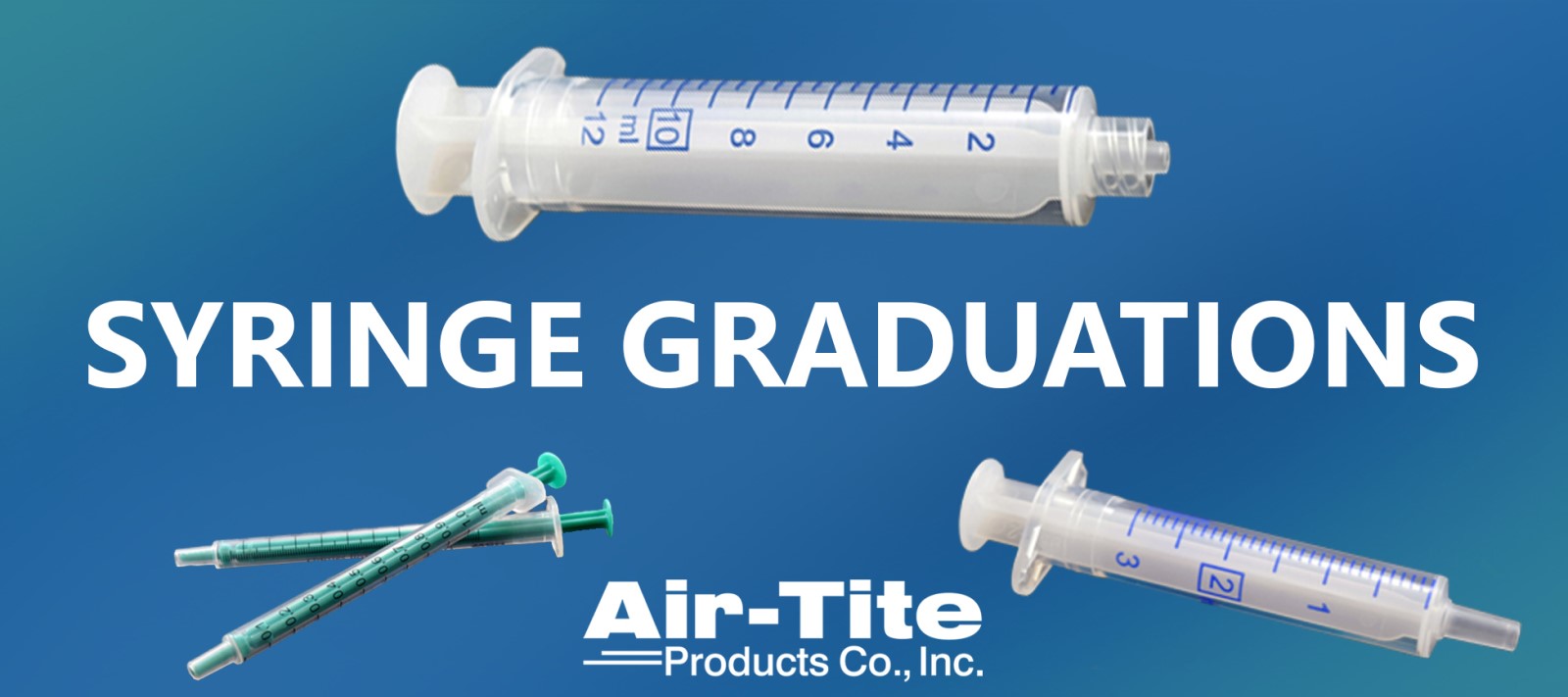
Syringes are often referred to by their nominal capacity, even when their barrels are graduated to a larger volume. For instance, a 2 mL syringe may have markings up to 3 mL. This extended scaling can lead to confusion, particularly when comparing products across manufacturers or regions.
For clarity on these labeling differences and ISO standards, refer to our breakdown of syringe volume nomenclature.
2. Dead Space
Dead space is the volume of fluid that remains in the syringe and needle after the plunger is fully depressed, leading to potentially significant product loss:
For applications like aesthetic injectables or lab testing with expensive reagents, low dead space designs significantly improve efficiency. The adoption of LDS technology, such as the LDS hub design in TSK needles, has become especially important in pharmaceutical and lab environments where conserving even microliters of product is critical.
3. Tip Design
Syringe tips influence compatibility and reliability:
Both types conform to ISO 80369 standards for compatibility, but their performance and use cases differ significantly. Understanding the distinctions between luer lock and luer slip syringes can help optimize your workflow and improve dosing consistency.
4. Syringe Type
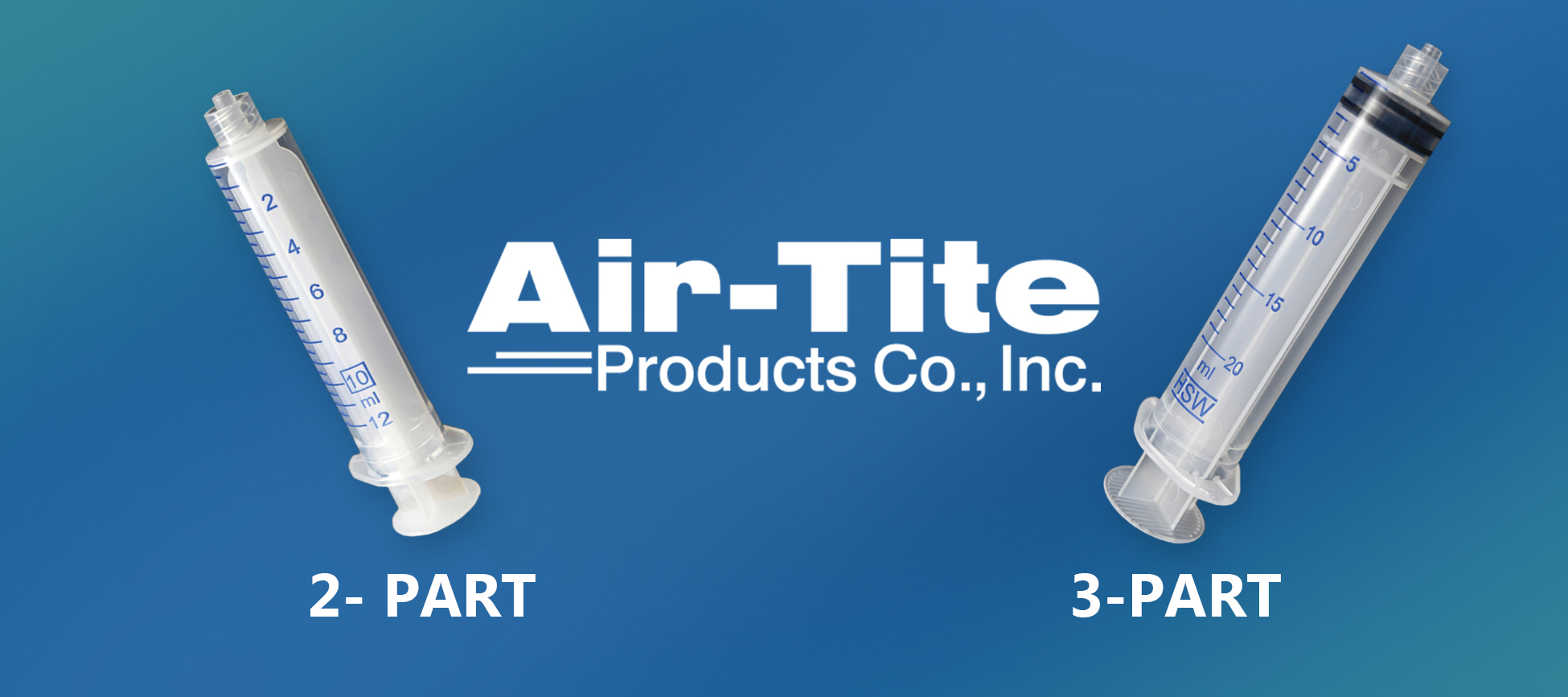
Syringes are available in either 2-part or 3-part designs, each with specific material and functional characteristics:
Choosing between 2-part and 3-part syringes often comes down to whether chemical compatibility or user experience is the priority in a given setting.
Applications by Industry
Each industry served by Air-Tite Products faces unique technical and operational demands. From sterile clinical environments and high-stakes aesthetic treatments to veterinary fieldwork and sensitive lab procedures, the requirements for hypodermic tools vary widely.
Air-Tite’s deep expertise across medical, aesthetic, veterinary, and laboratory markets allows us to offer targeted product solutions that support both everyday efficiency and specialized applications.
Human Health
In clinical settings, hypodermic syringes and needles are fundamental tools for safe, efficient drug administration. Healthcare professionals rely on them for:
Aesthetics
Aesthetics emphasizes precision and comfort. Hypodermic products must support both practitioner control and patient satisfaction:
Animal Health
Veterinarians, livestock specialists, and farm operators rely on dedicated animal health tools that perform reliably in varied and sometimes urgent field conditions:
Laboratory and Industrial
Precision and chemical compatibility are key in laboratory and industrial use. Common uses include:
Why Needle and Syringe Choice Matters
Using the right combination of hypodermic needle and syringe helps:
Common mistakes include choosing needles that are too short or too narrow for the application, failing to consider medication viscosity, or overlooking the benefits of LDS syringes when working with expensive drugs. Each of these can affect outcomes, safety, or product efficiency.
Supporting Smarter Syringe and Needle Selection
For over 30 years, Air-Tite has supported professionals across human health, veterinary care, medical aesthetics, and laboratory sciences. Our wide selection of hypodermic products demonstrates a commitment to safety, consistent performance, and trusted quality.
Whether you're sourcing ultra-fine needles for facial aesthetics, stainless steel tools for veterinary fieldwork, or silicone-free lab syringes, Air-Tite provides reliable solutions tailored to meet the demands of your practice, supported by strong product availability and long-standing relationships with trusted distribution partners.
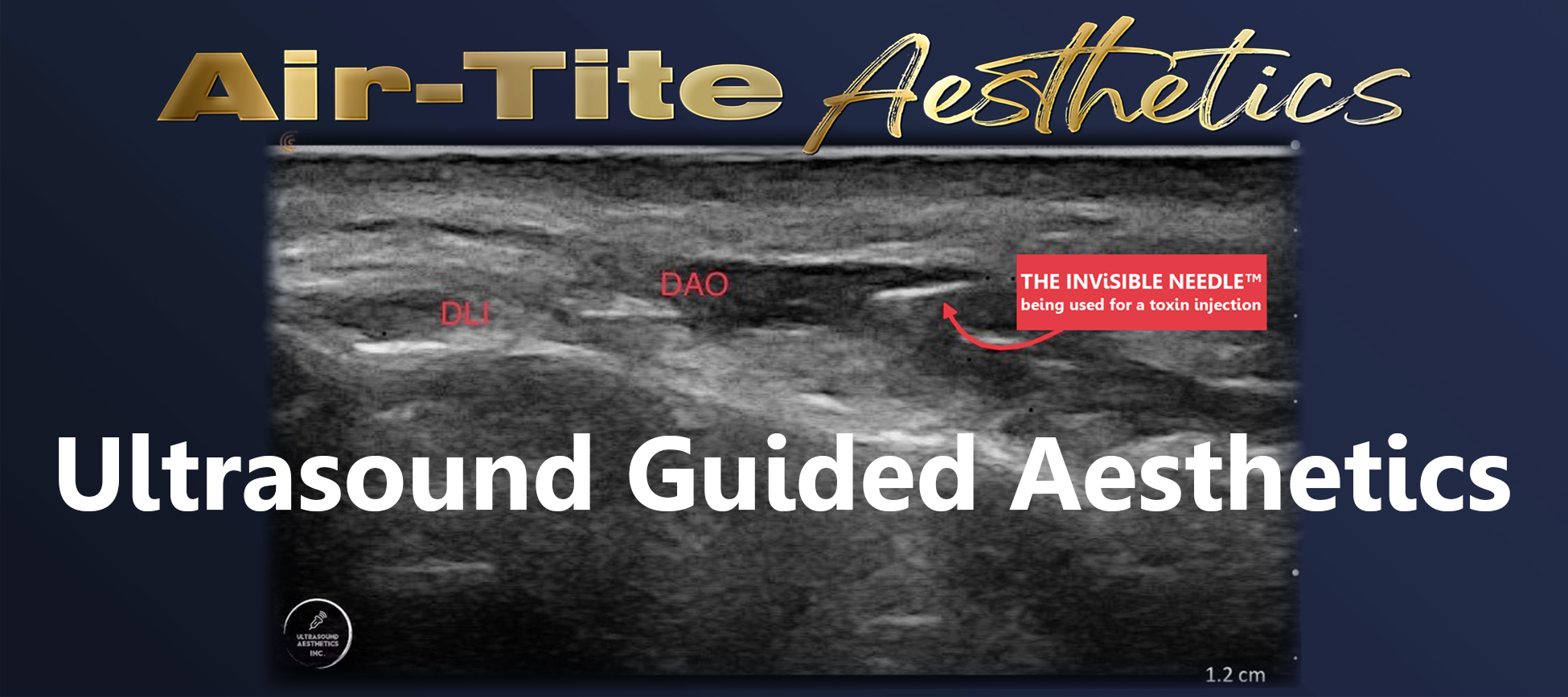
Top-performing and exclusive offerings such as THE INViSIBLE NEEDLE™, MinimLL®, and NORM-JECT® syringes showcase our commitment to specialty applications and client success.
Explore our collection and let our products work as hard as you do.
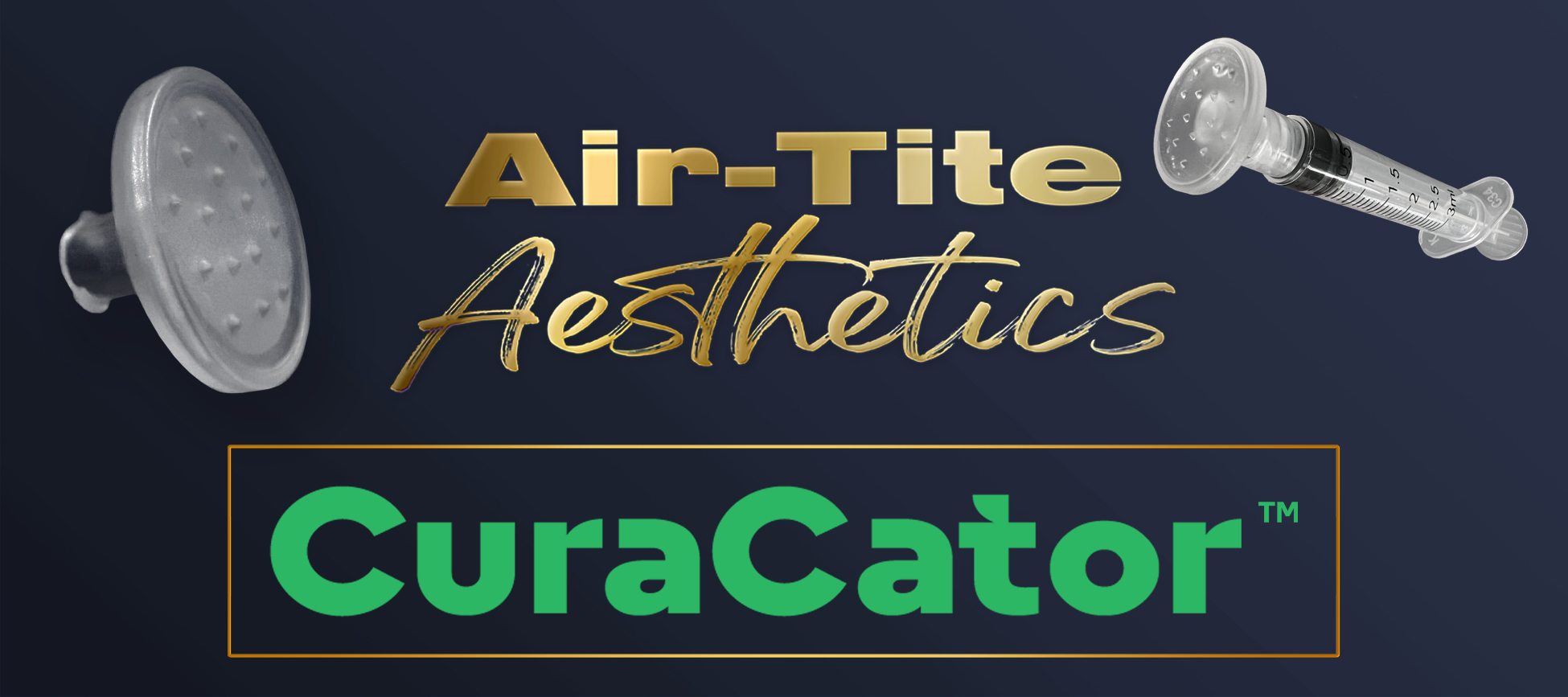
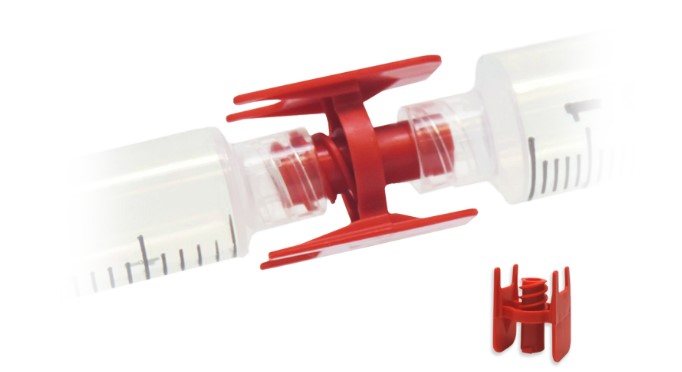
There are currently a few different techniques used to apply PRP, exosomes, serums, ointments, and creams after skin procedures. The most common method is by dripping expensive products directly onto the skin with an open-ended syringe, which is extremely uncontrolled and wasteful. This approach also opens the risk for splatter into a patient’s eye. Another inefficient current technique is to attach a needle to the syringe as an attempt to control the placement and flow of the product, but this is extremely dangerous. If the patient moves suddenly or the syringe is dropped, the chance of a needle stick injury to the patient or provider is very likely. The CuraCator™ provides the solution to needle-free and controlled application of these expensive products to skin.
CuraCator™ - Sterile Topical Applicator
