



Your shopping cart is currently empty.
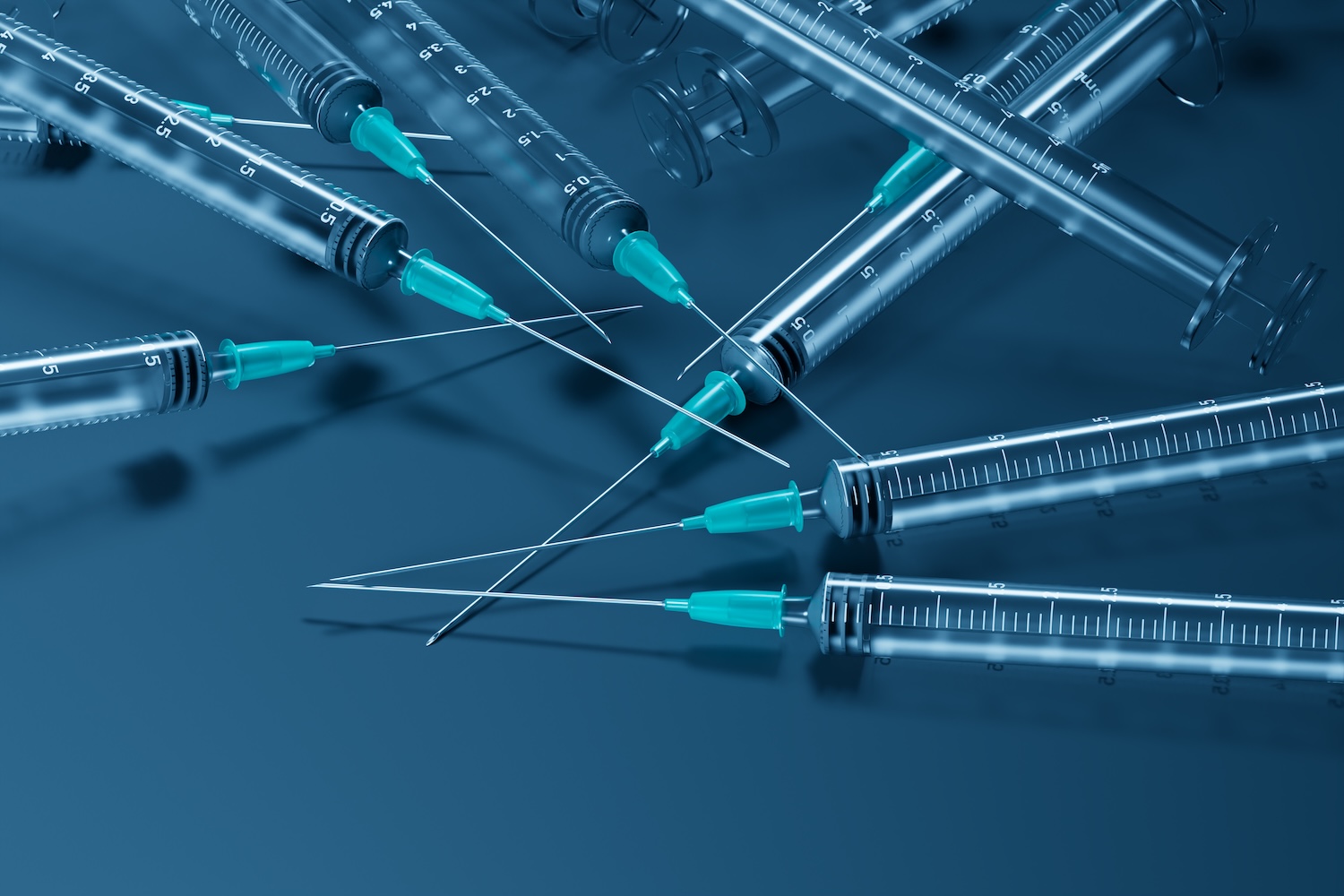
Choosing the right hypodermic needle and syringe is essential for effective dosing, product efficiency, and compatibility with diverse procedures across healthcare, aesthetics, animal health, and laboratory environments. With applications ranging from intramuscular injections and cosmetic treatments to laboratory sampling and veterinary medicine, these devices must meet the specific needs of each setting.
This comprehensive guide outlines the various types of hypodermic needles and syringes Air-Tite offers. It explains the different types of hypodermic syringes used in clinical, aesthetic, veterinary, and laboratory applications and breaks down key specifications such as gauge, length, bevel type, and syringe design. Understanding these specifications supports more informed purchasing decisions while helping to reduce waste, enhance precision, and promote safety.
Selecting the correct needle begins with understanding several fundamental attributes that impact its performance and suitability for specific tasks. Below are key needle specifications to consider when evaluating product fit for clinical, aesthetic, veterinary, or lab use.
Needle gauge refers to the outer diameter of the needle. A higher gauge number indicates a thinner needle:
Needle length determines how deeply the medication is delivered:
The bevel—the angled tip—affects ease of entry and comfort:
Syringes vary in design and construction, each element influencing dosing accuracy, product compatibility, and overall handling experience. Understanding the differences in volume, tip style, construction, and dead space can help practitioners select the most appropriate option for their specific application.
Choosing the appropriate syringe volume depends on the dose being delivered and the application type:
Syringes are often referred to by their nominal capacity, even when their barrels are graduated to a larger volume. For instance, a 2 mL syringe may have markings up to 3 mL. This extended scaling can lead to confusion, particularly when comparing products across manufacturers or regions.
For clarity on these labeling differences and ISO standards, refer to our breakdown of syringe volume nomenclature.
Dead space is the volume of fluid that remains in the syringe and needle after the plunger is fully depressed, leading to potentially significant product loss:
For applications like aesthetic injectables or lab testing with expensive reagents, low dead space designs significantly improve efficiency. The adoption of LDS technology, such as the LDS hub design in TSK needles, has become especially important in pharmaceutical and lab environments where conserving even microliters of product is critical.
Syringe tips influence compatibility and reliability:
Both types conform to ISO 80369 standards for compatibility, but their performance and use cases differ significantly. Understanding the distinctions between luer lock and luer slip syringes can help optimize your workflow and improve dosing consistency.
Syringes are available in either 2-part or 3-part designs, each with specific material and functional characteristics:
Choosing between 2-part and 3-part syringes often comes down to whether chemical compatibility or user experience is the priority in a given setting.
Each industry served by Air-Tite Products faces unique technical and operational demands. From sterile clinical environments and high-stakes aesthetic treatments to veterinary fieldwork and sensitive lab procedures, the requirements for hypodermic tools vary widely.
Air-Tite’s deep expertise across medical, aesthetic, veterinary, and laboratory markets allows us to offer targeted product solutions that support both everyday efficiency and specialized applications.
In clinical settings, hypodermic syringes and needles are fundamental tools for safe, efficient drug administration. Healthcare professionals rely on them for:
Aesthetics emphasizes precision and comfort. Hypodermic products must support both practitioner control and patient satisfaction:
Veterinarians, livestock specialists, and farm operators rely on dedicated animal health tools that perform reliably in varied and sometimes urgent field conditions:
Precision and chemical compatibility are key in laboratory and industrial use. Common uses include:
Using the right combination of hypodermic needle and syringe helps:
Common mistakes include choosing needles that are too short or too narrow for the application, failing to consider medication viscosity, or overlooking the benefits of LDS syringes when working with expensive drugs. Each of these can affect outcomes, safety, or product efficiency.
For over 30 years, Air-Tite has supported professionals across human health, veterinary care, medical aesthetics, and laboratory sciences. Our wide selection of hypodermic products demonstrates a commitment to safety, consistent performance, and trusted quality.
Whether you're sourcing ultra-fine needles for facial aesthetics, stainless steel tools for veterinary fieldwork, or silicone-free lab syringes, Air-Tite provides reliable solutions tailored to meet the demands of your practice, supported by strong product availability and long-standing relationships with trusted distribution partners.
Top-performing and exclusive offerings such as THE INViSIBLE NEEDLE™, MinimLL®, and NORM-JECT® syringes showcase our commitment to specialty applications and client success.
Explore our collection and let our products work as hard as you do.
