








Your shopping cart is currently empty.
When patients trust you to deliver precise, predictable results, you need professional-grade tools that perform every time. Our selection of specialty aesthetics needles, cannulas, syringes, and other supplies gives you everything you need to administer treatment formulations accurately, effectively, and affordably.
Whether you’re a small business or a full-service medical aesthetics practice, Air-Tite has the specialty needles, syringes, and day-to-day supplies you need to provide expert care with confidence while keeping costs under control.
A fresh, user-friendly website with a wealth of comprehensive information on our top-rated aesthetics products.

Ensure you have all of the essential tools for opening your new MedSpa or Aesthetics Practice.


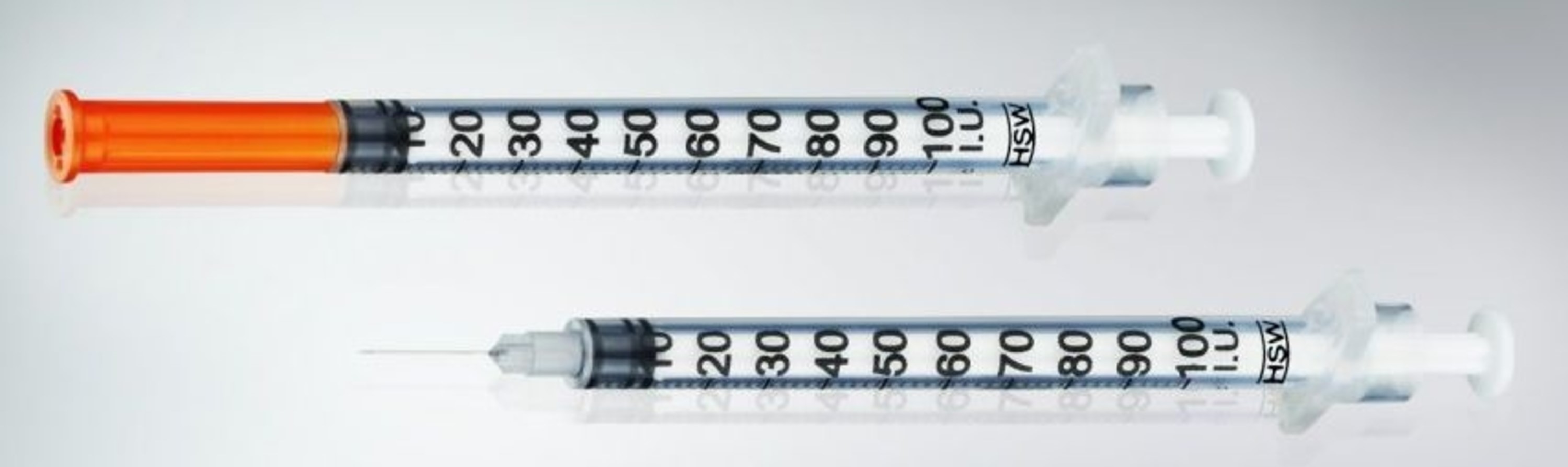
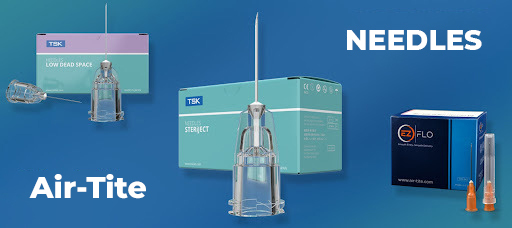
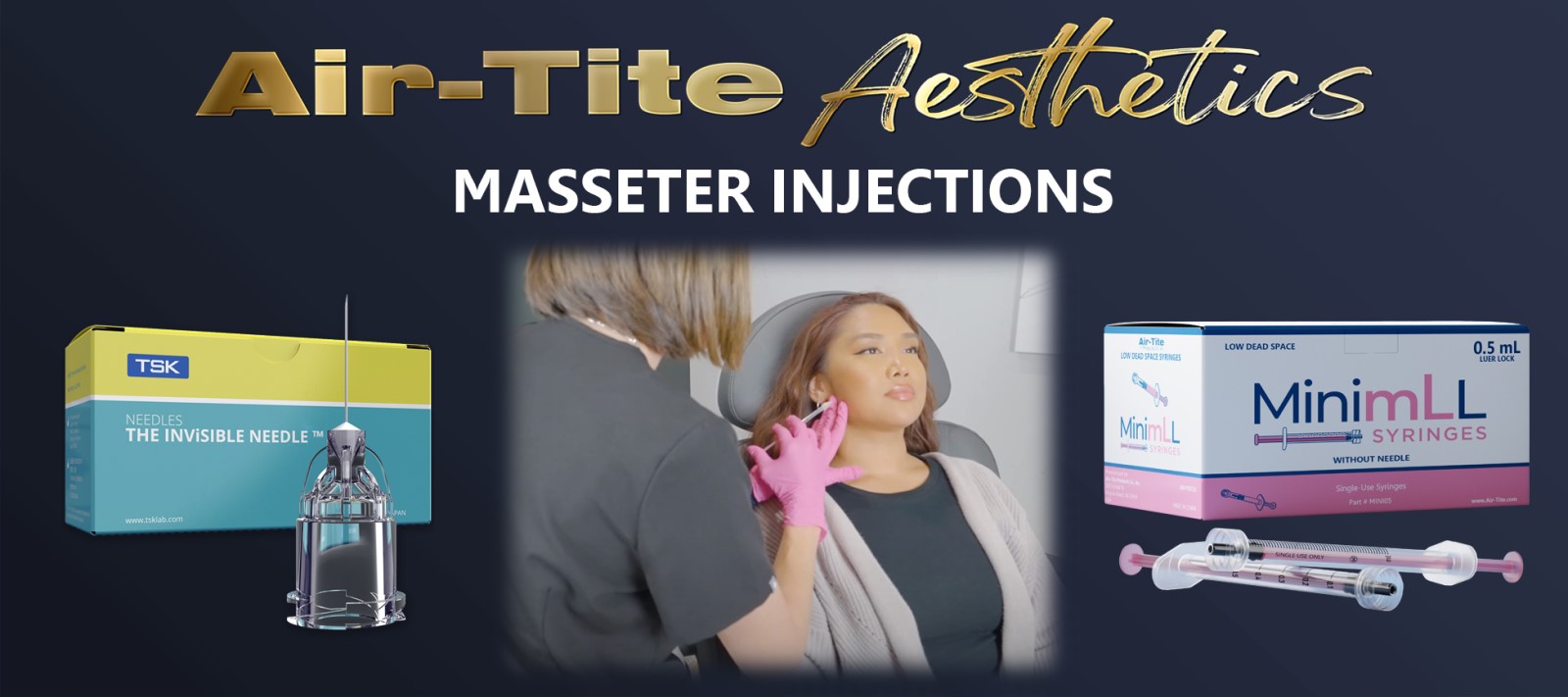
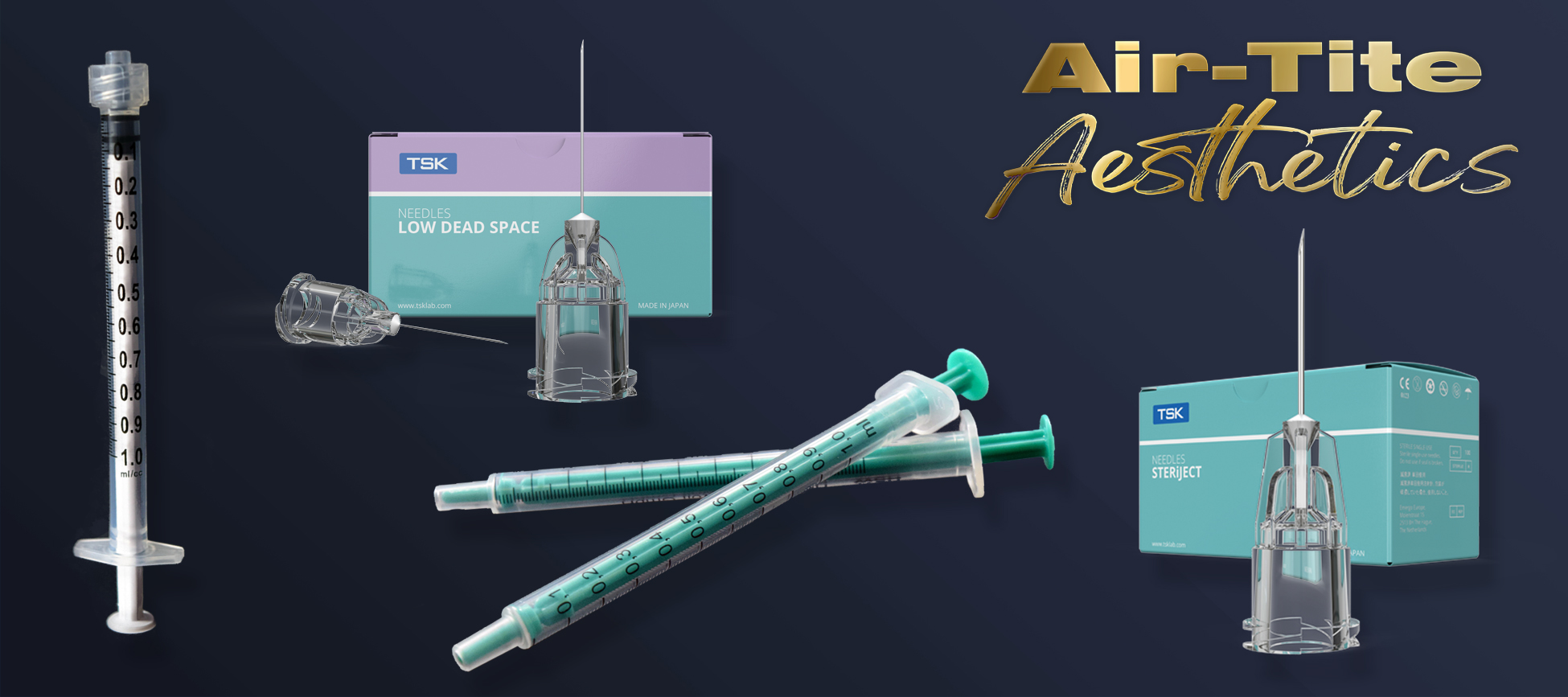
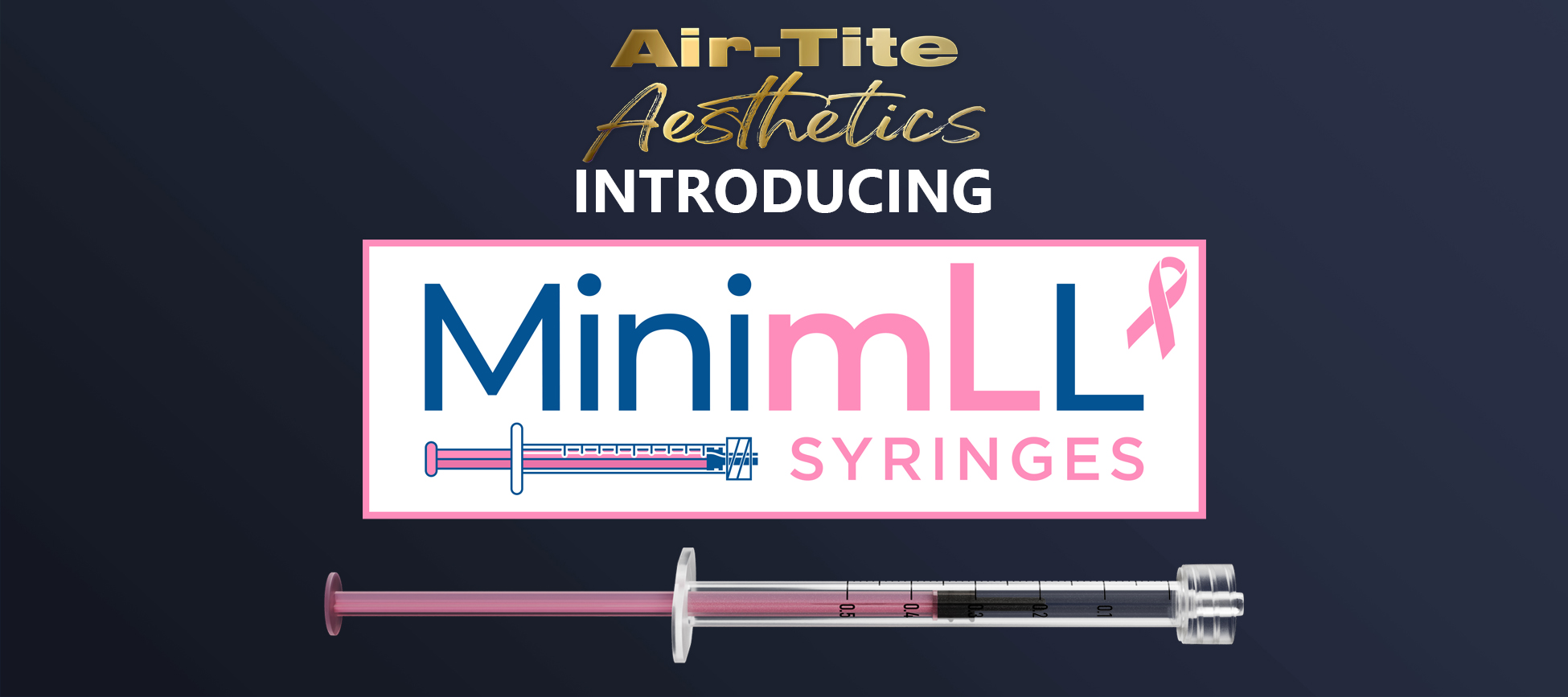
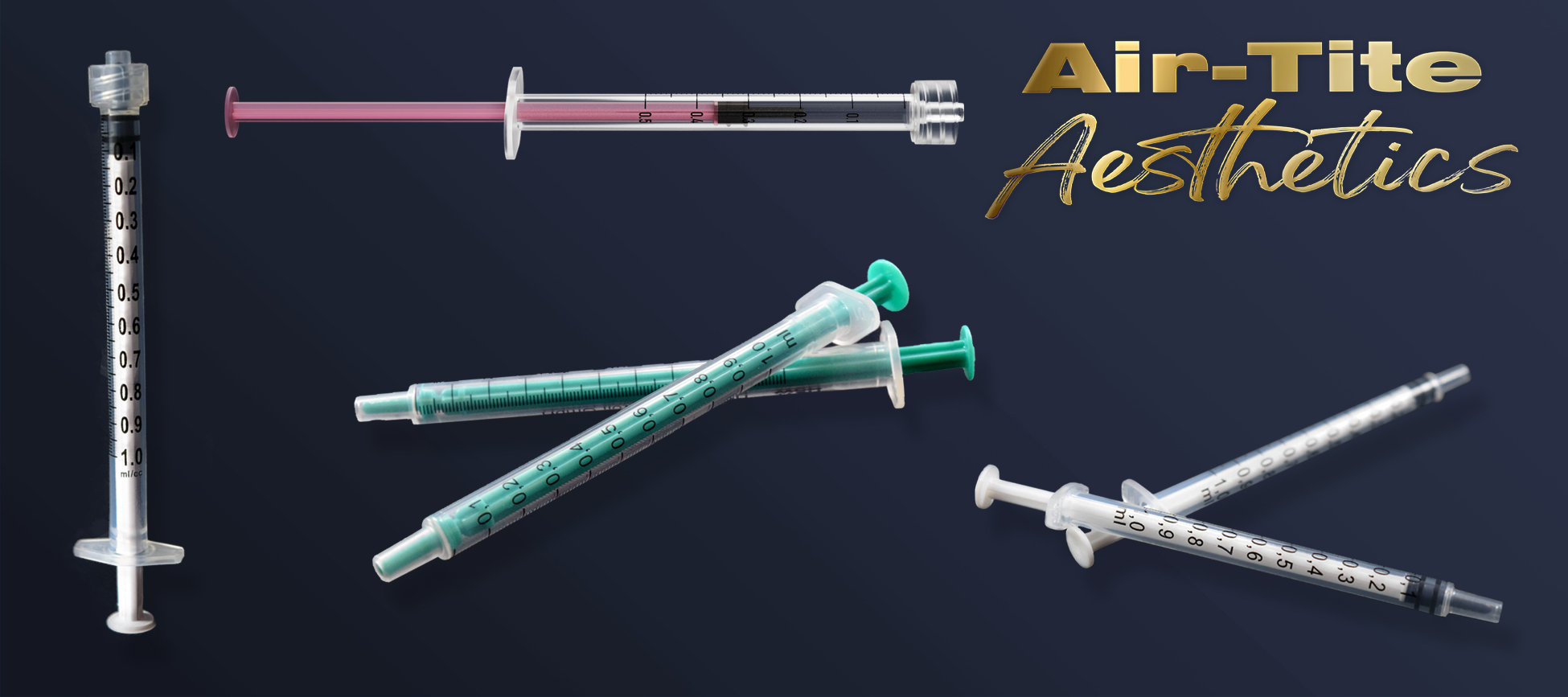
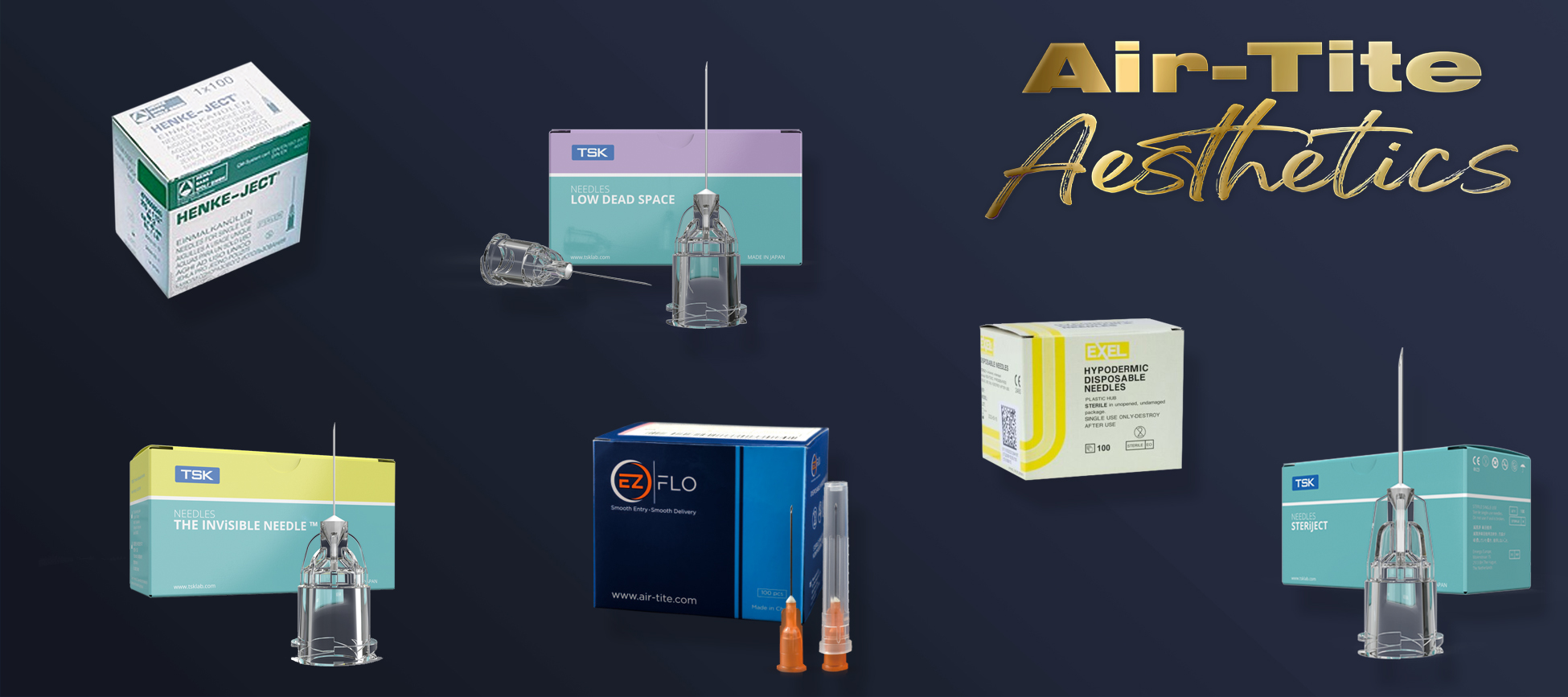
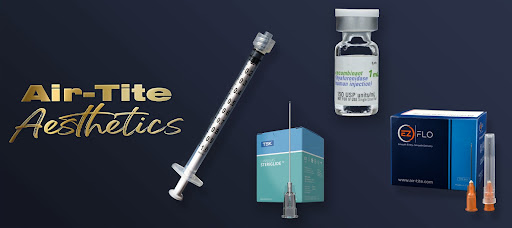
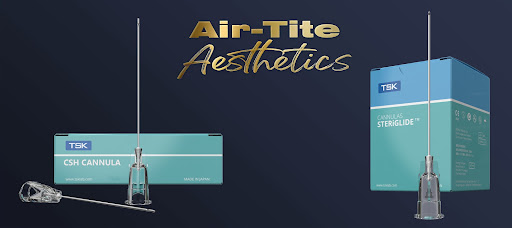
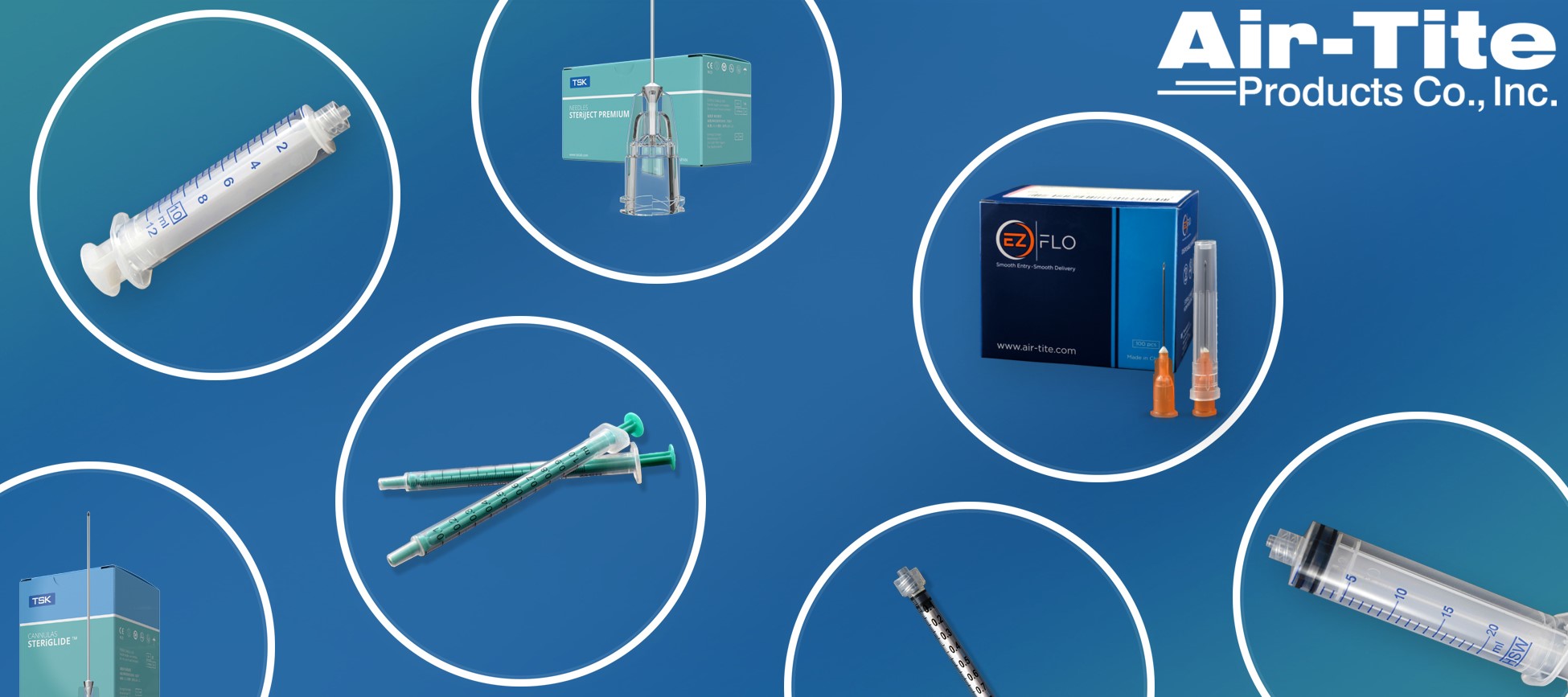
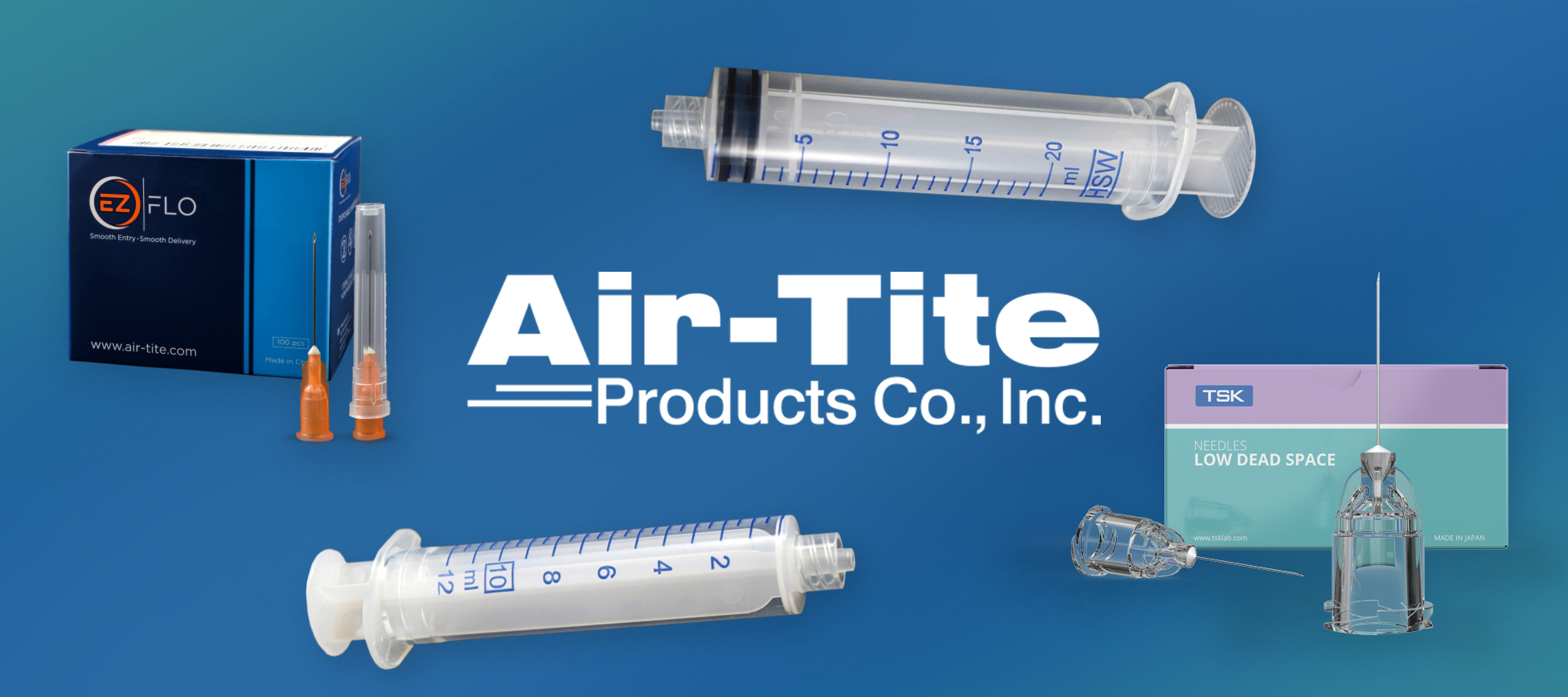
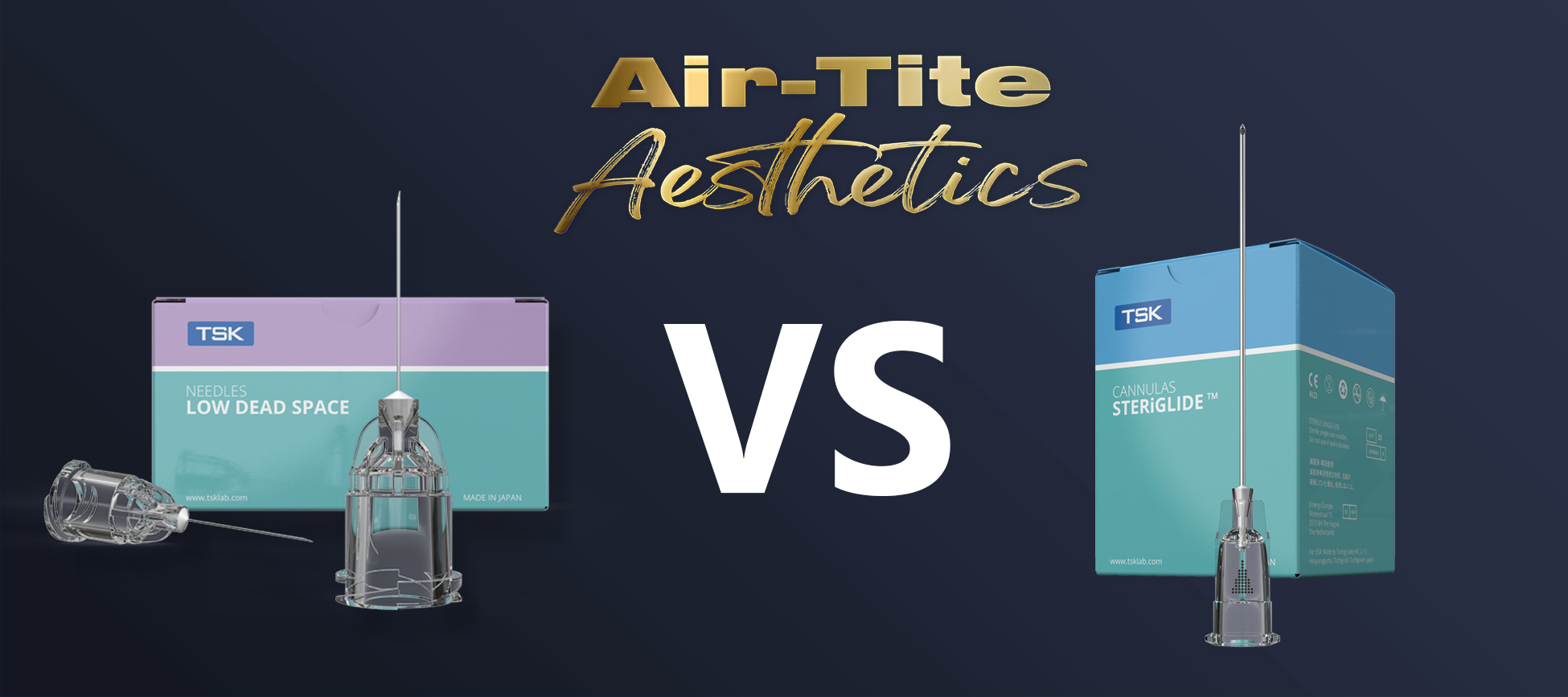
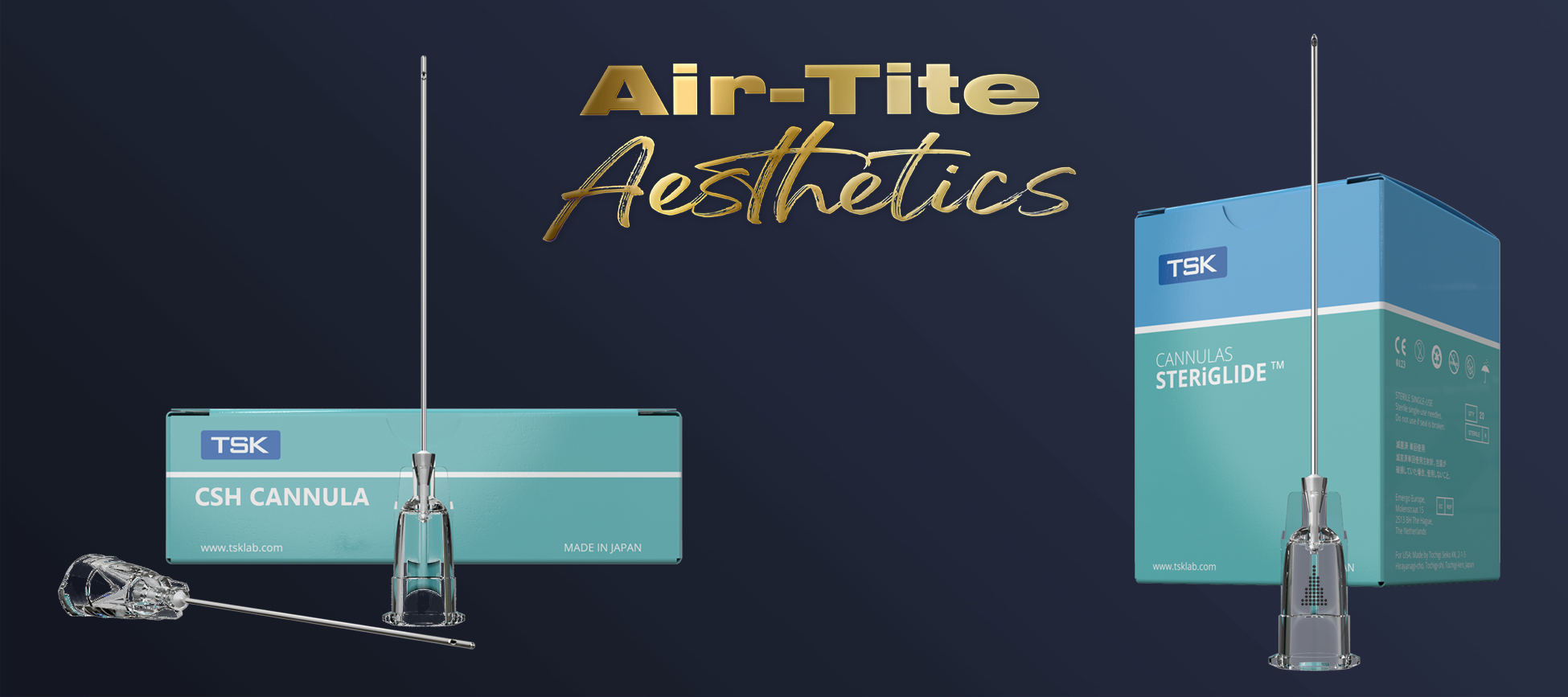
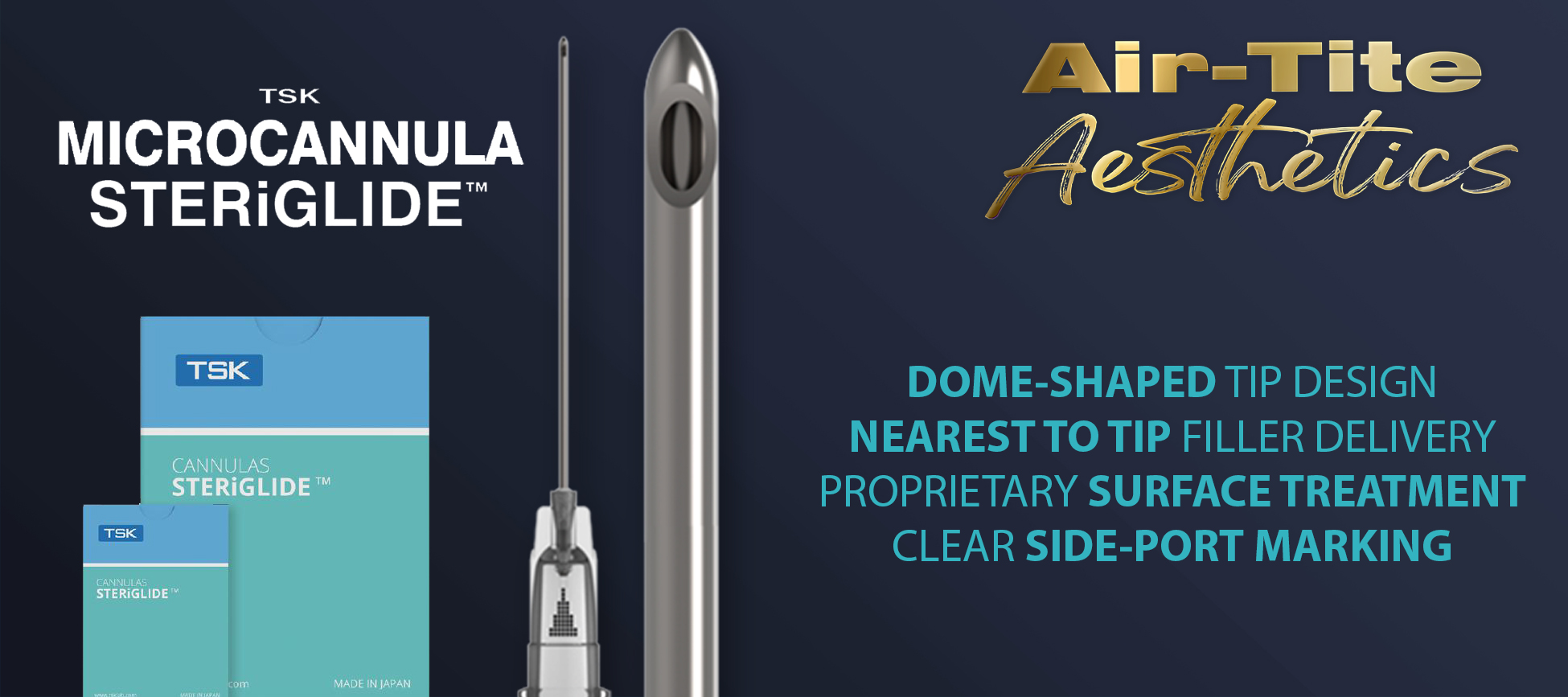
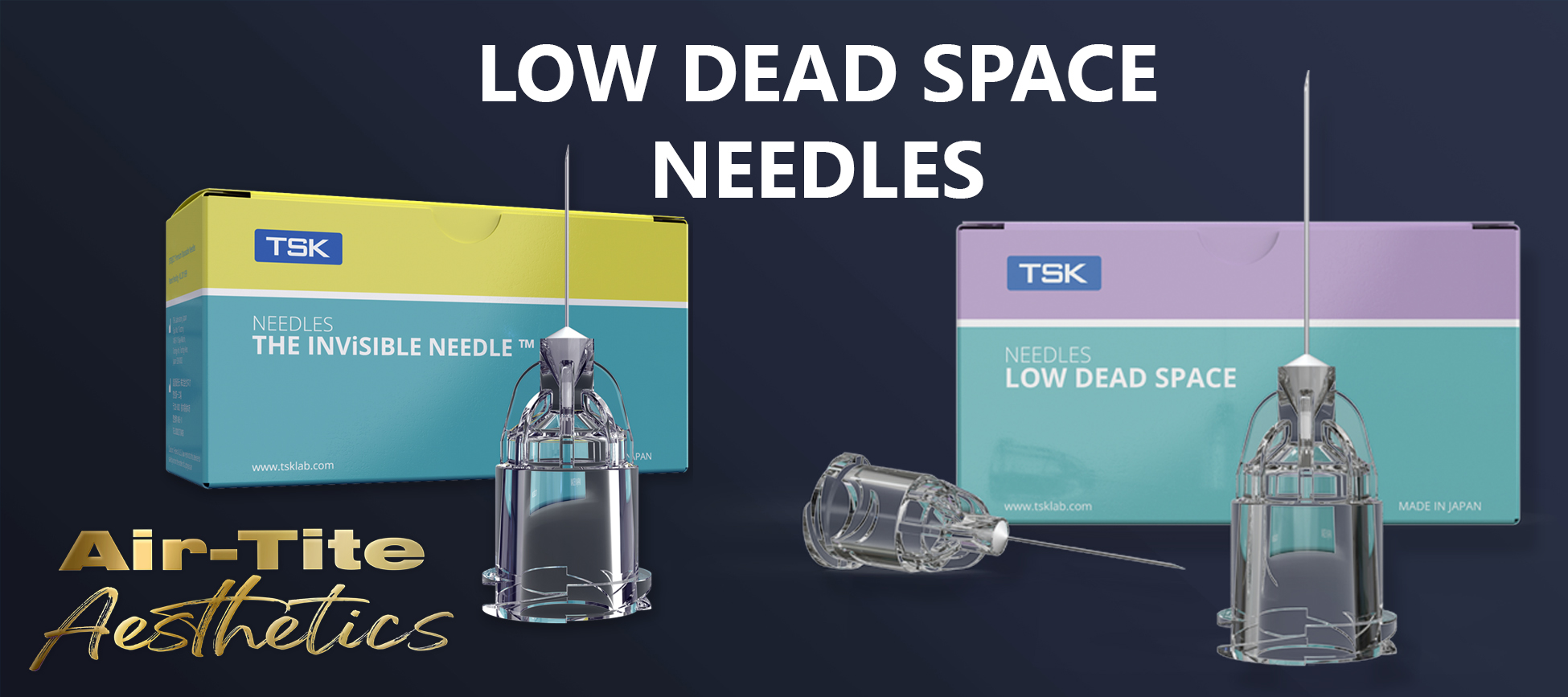
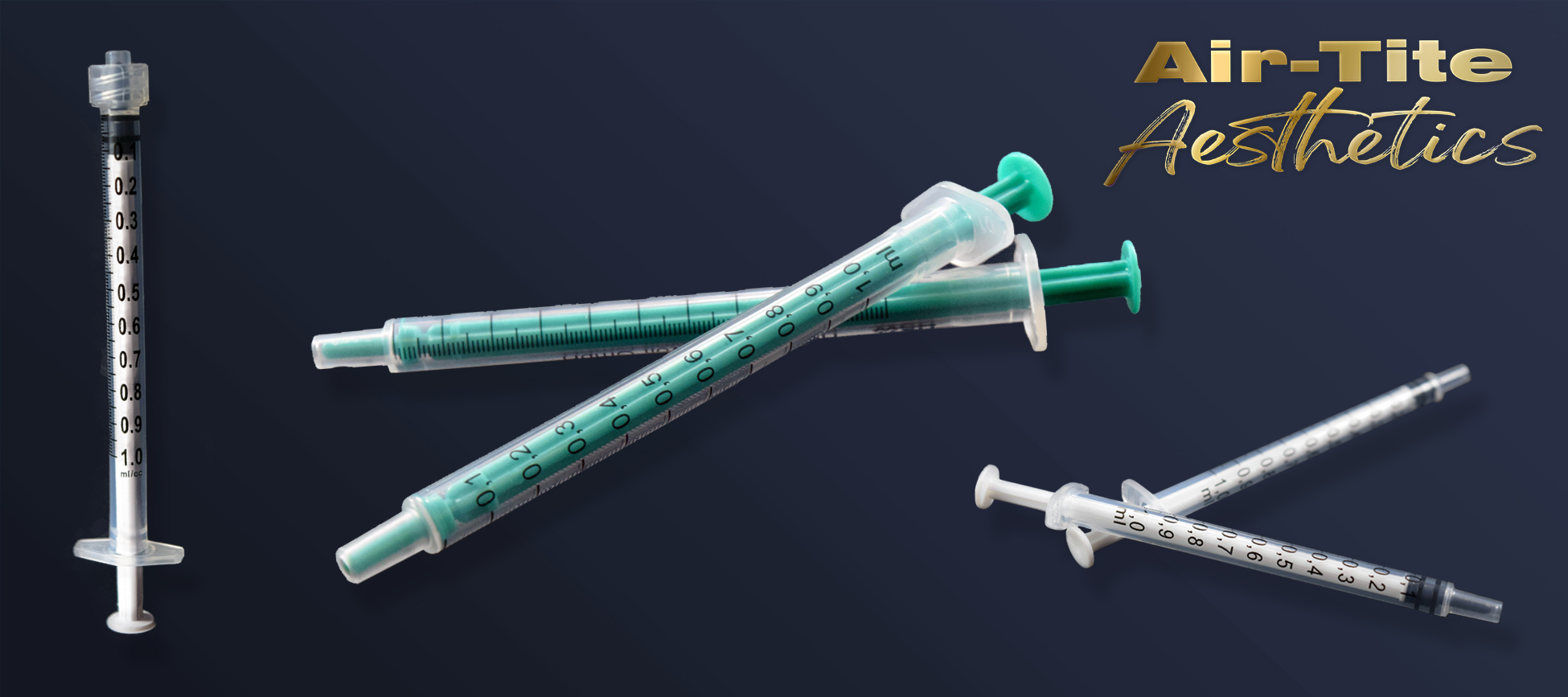
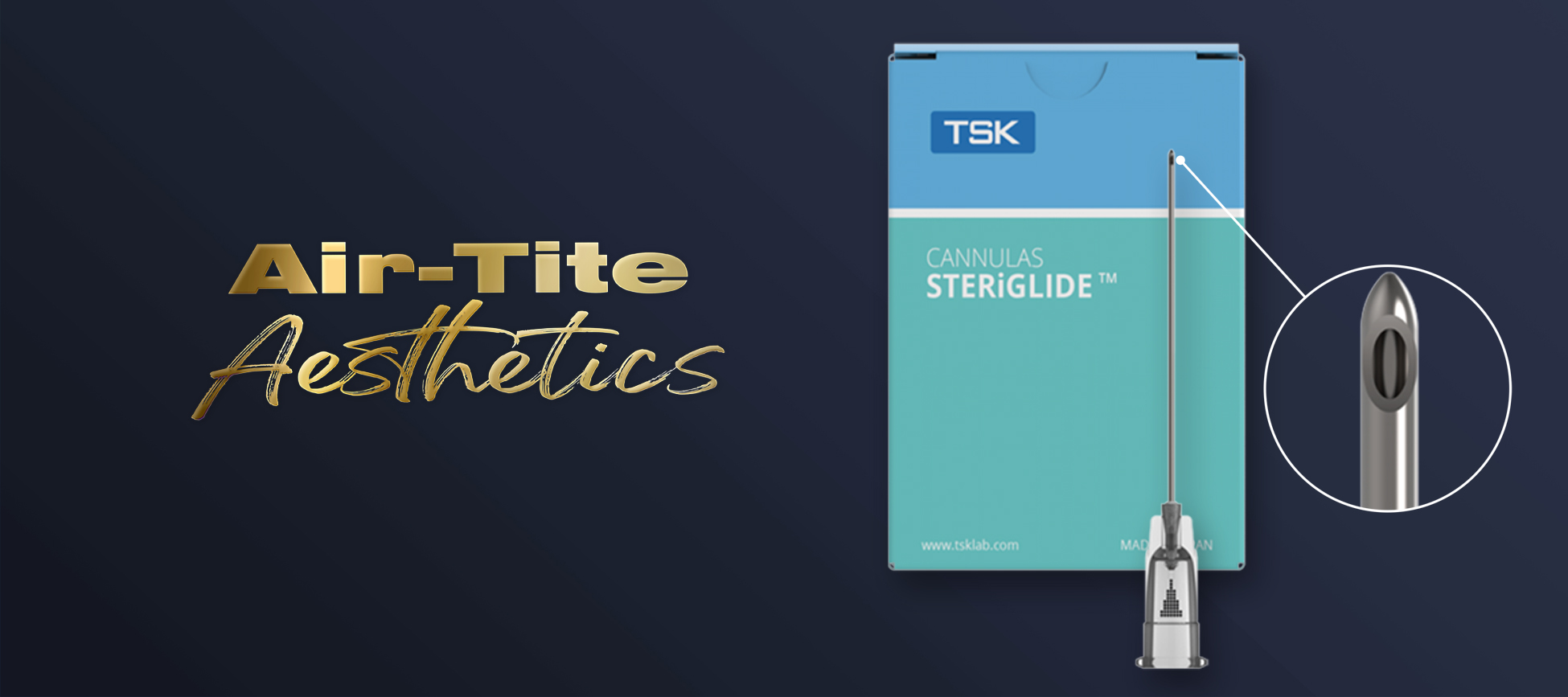
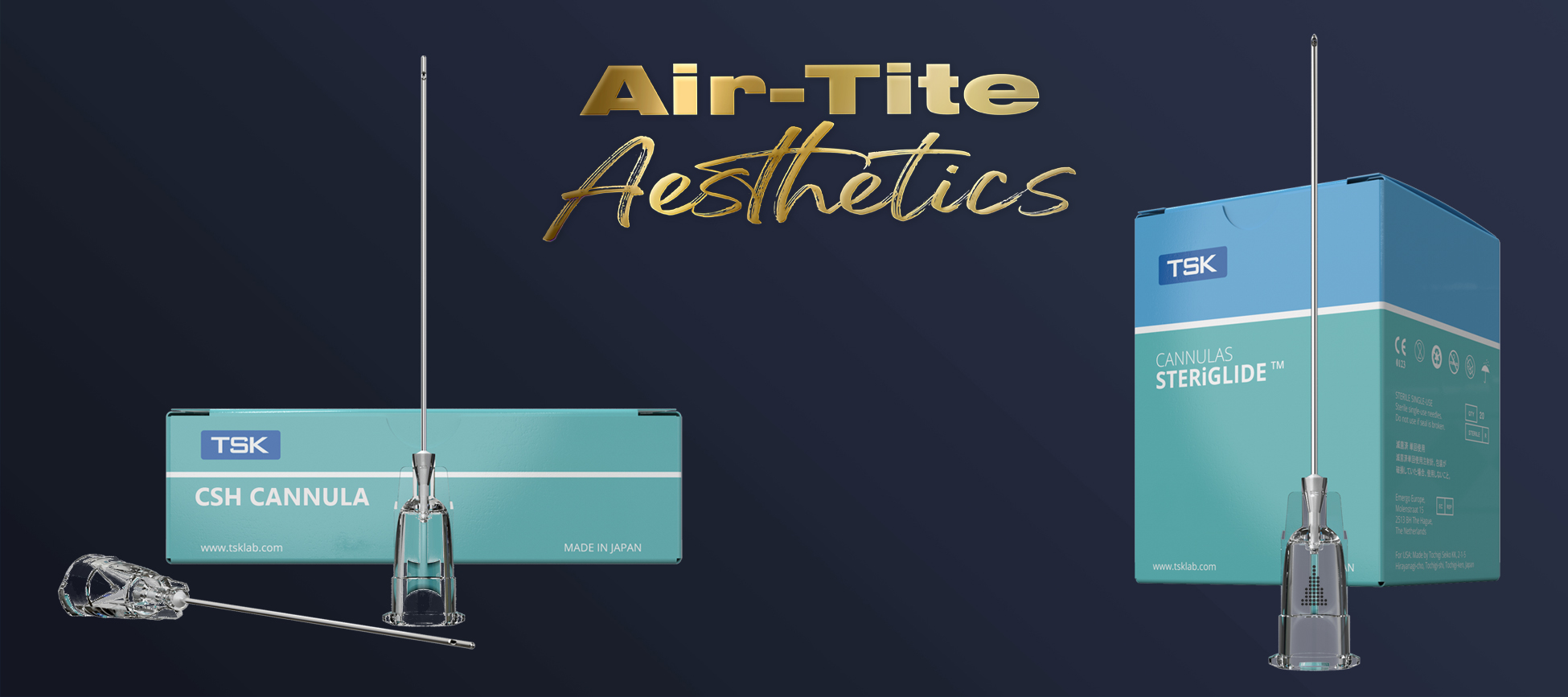
Air-Tite Aesthetics has become a staple in offices around the country due to the high quality products at reasonable prices. TSK Low Dead Space Needles and STERiGLIDE™ cannulas, 0.5 Low Dead Space Luer Lock Syringes, Fixed-Needle Insulin Syringes, and other hard to find aesthetic accessories are popular among aesthetics customers.

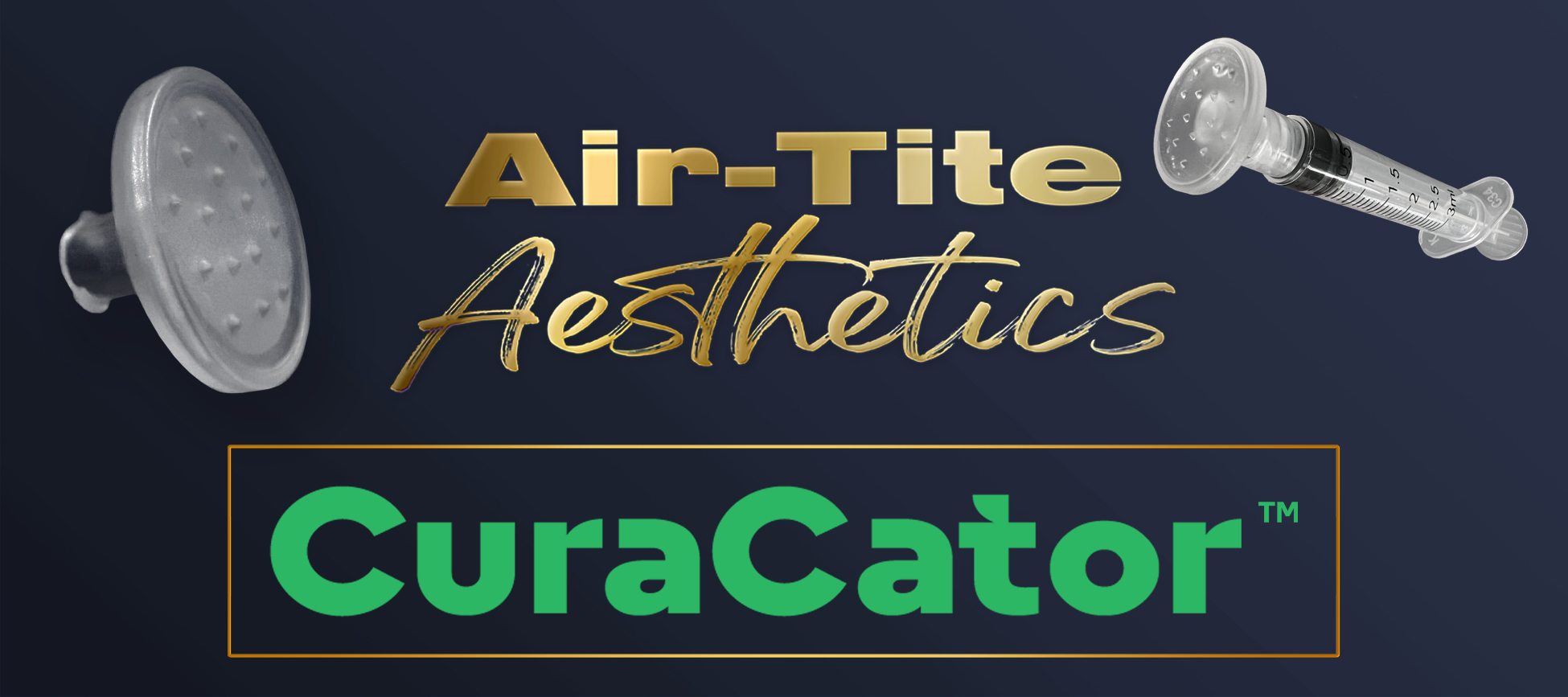
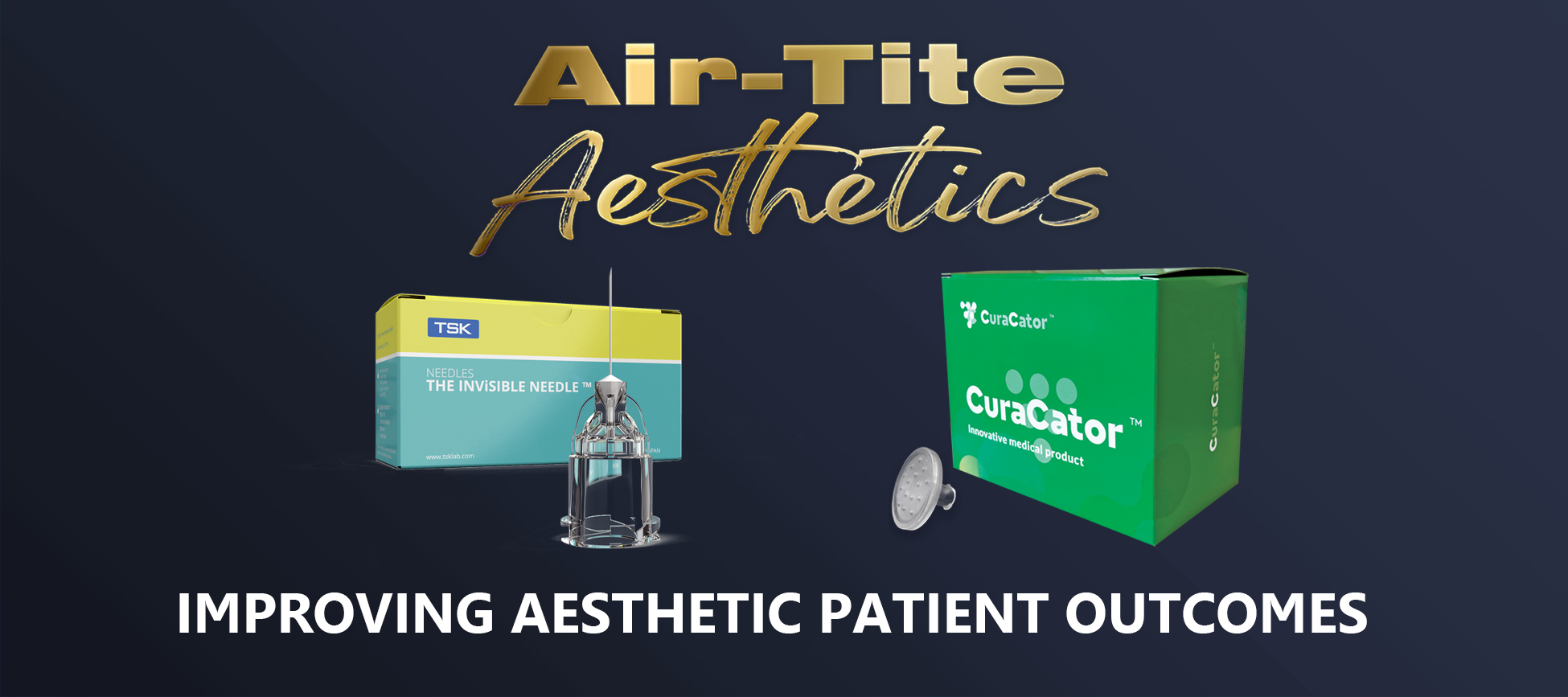
 CuraCator™ - Sterile Topical Applicator
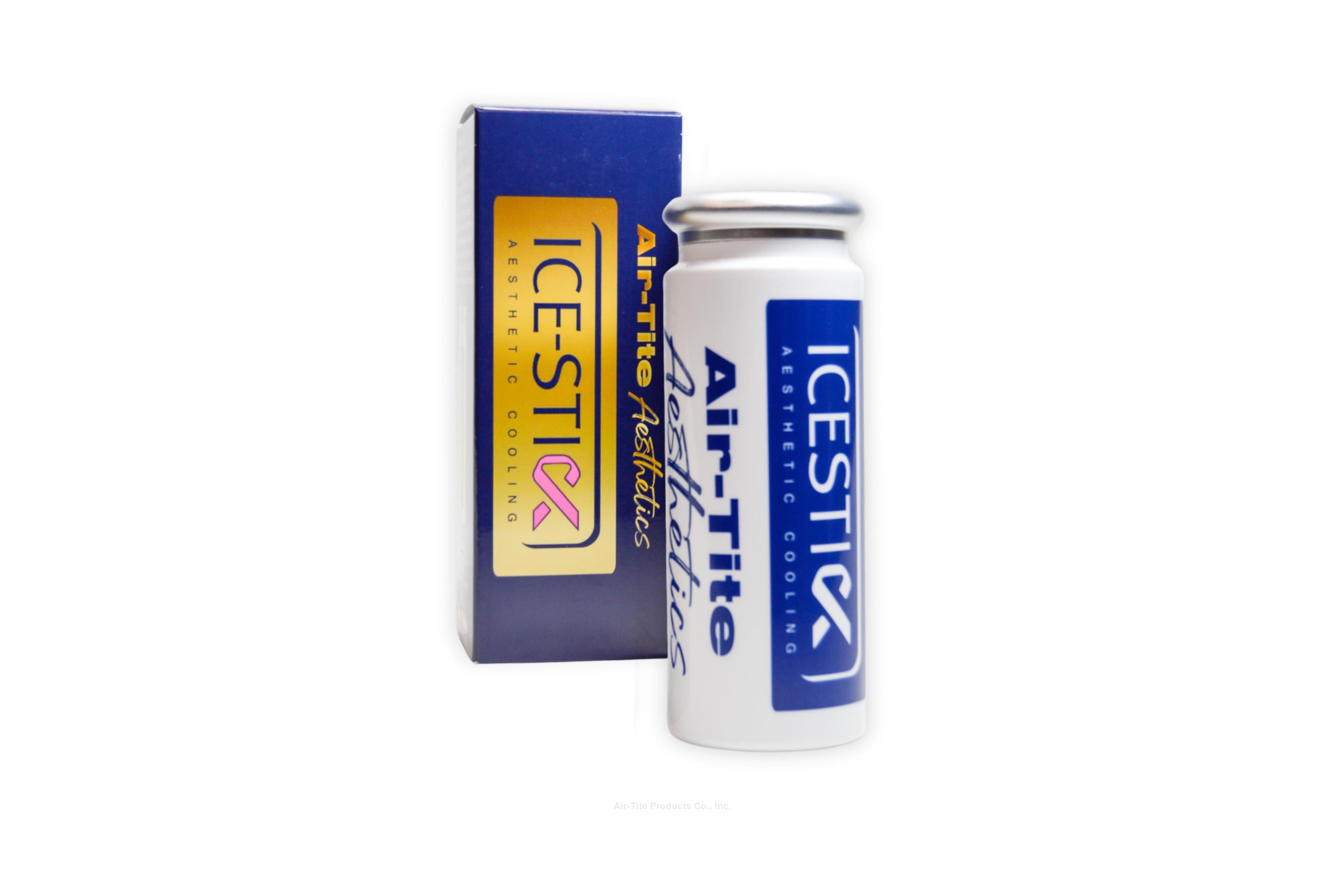 ICE-STICK Aesthetic Cooling Device
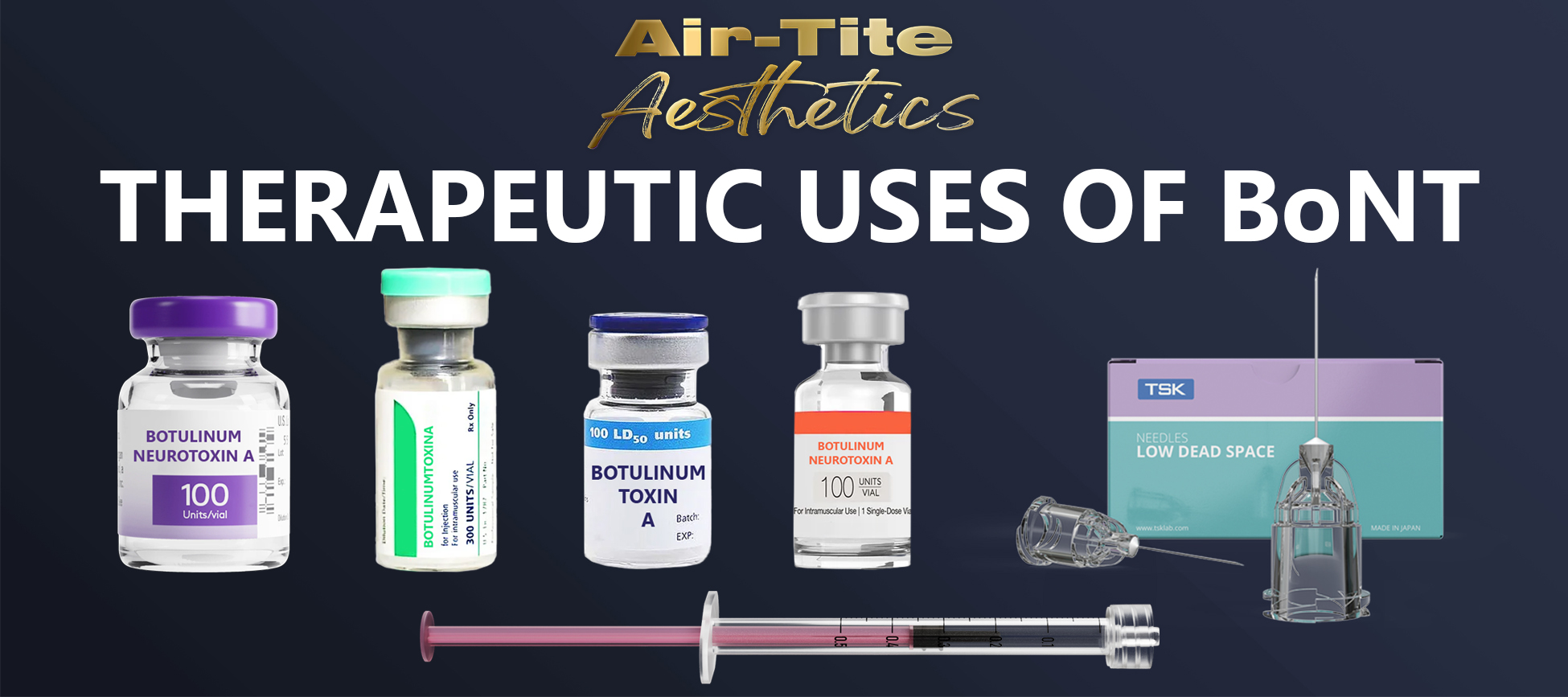
Ensure perfect placement of aesthetic toxins, dermal fillers, and topicals with maximum patient comfort every time. Choose durable hypodermics that stay sharp during multi-injection treatments. Pick dependable luer lock syringes and thin-walled needles for low-viscosity fillers.
Whatever your aesthetics application, Air-Tite is the leading source of quality brand-name needles, syringes, and other injectables equipment, all at affordable prices.
Air-Tite products are available directly from our warehouses or through popular medical suppliers including Cardinal, Delasco, Henry Schein, McKesson, and Medline.
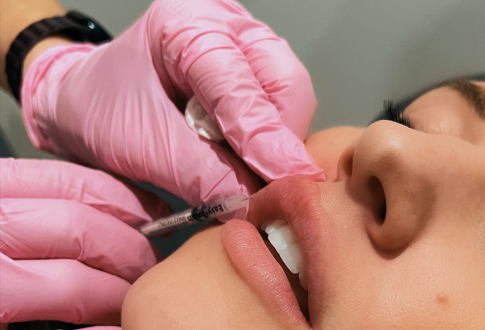

“Dead space” refers to the small area behind the tip of a syringe where conventional syringe plungers cannot reach. Product in this area cannot be injected during treatment and is often discarded. Air-Tite offers TSK Laboratory low dead space syringes and other products designed to reduce wastage of injectables.
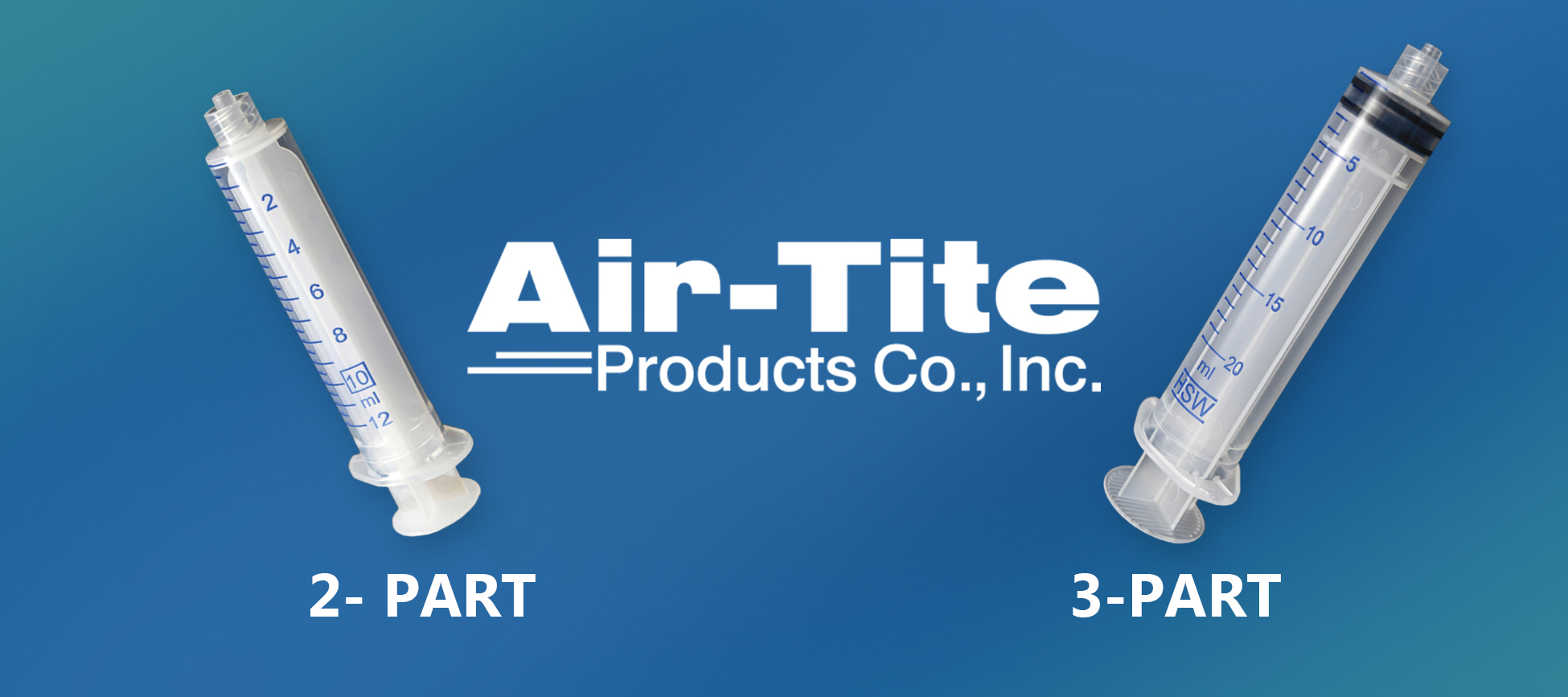
Both luer lock and luer slip syringes accept standard hypodermic needles, but luer slip syringes secure these with a tight “friction” fit between the needle base and the syringe tip. Luer lock syringes instead use threads to secure the needle. Luer lock syringes are more provide an extra layer of security to reduce the risk of needle pop off.
Give us a call. Our helpful, knowledgeable customer service staff are ready to help you find the products, sizes, and combinations you need. And, unlike many aesthetic suppliers, Air-Tite can provide samples of our products for you to try.
June 08, 2026
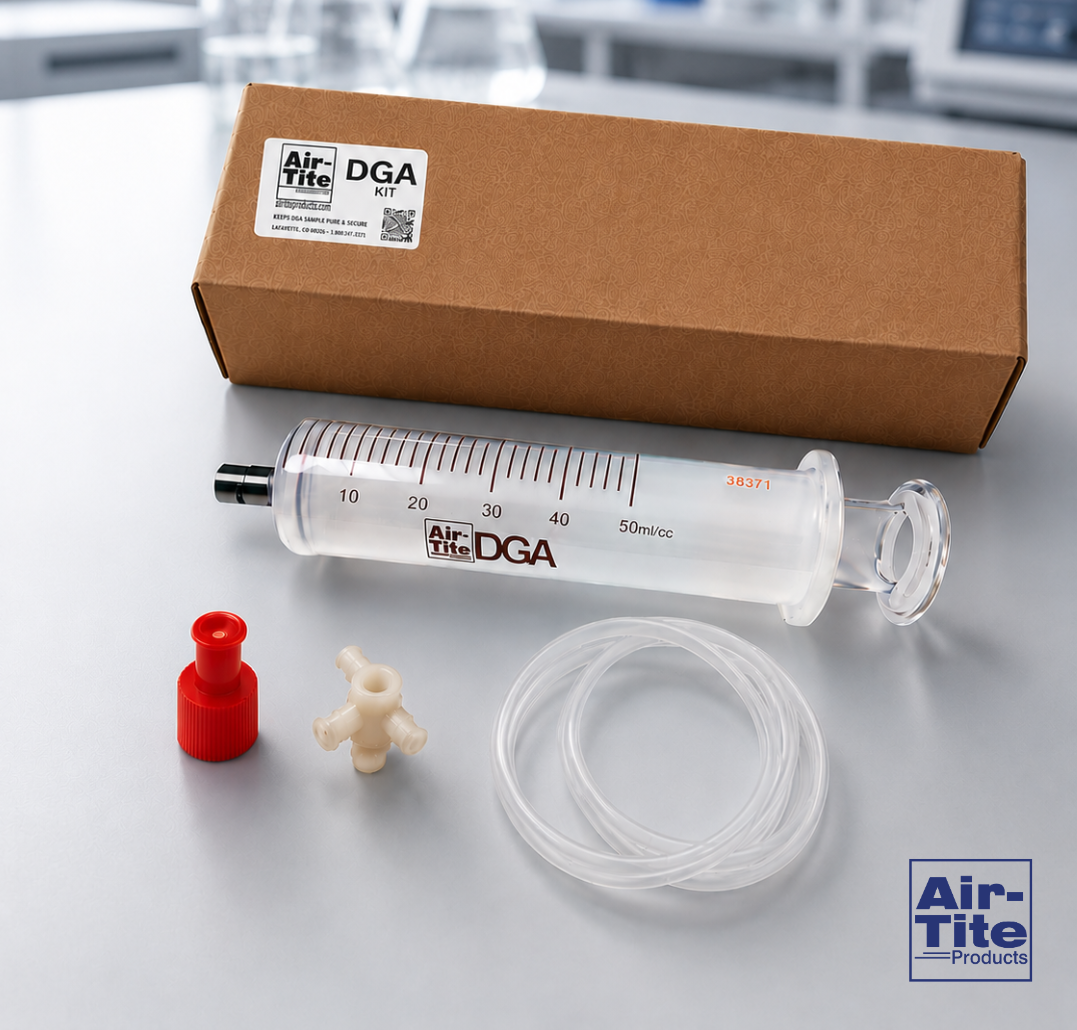
In industries where transformer health, groundwater quality, or process gas composition hangs in the balance, the integrity of a gas sample starts long before it reaches the analyzer — it starts with the syringe. For accurate dissolved gas analysis (DGA), maintaining DGA sampling integrity during collection and transport is critical.
Dissolved gas analysis (DGA) is a well-established diagnostic technique used to detect fault conditions in electrical equipment, assess environmental contamination, and monitor industrial processes. The fundamental challenge: gases dissolved in liquid matrices are volatile, reactive, and prone to loss the moment a sample is disturbed. Getting a reliable result means preserving every molecule from collection to injection.
Key Performance Metrics for DGA Sampling Integrity
Why Plastic Compromises DGA Sampling Integrity
Polymer syringes are economical and widely used — but they introduce a critical flaw for dissolved gas work: permeability. Small gas molecules, particularly hydrogen (H₂), carbon monoxide (CO), and methane (CH₄), diffuse through plastic walls over time. For samples stored or transported before analysis, this means a measurable loss of the very analytes under investigation. Oxygen ingress is an equally serious concern, capable of altering the gas balance and masking genuine fault signatures.
The syringe is not a passive vessel — it is an active part of the measurement chain. Material choice determines whether your results reflect reality or an artifact of sample handling. This is why maintaining DGA sampling integrity depends heavily on syringe material selection.
Why Glass Syringes are Ideal for Dissolved Gas Analysis
Borosilicate glass offers a near-impermeable barrier to dissolved gases. Its low thermal expansion and chemical inertness make it compatible with transformer oils, aqueous matrices, and solvent-based samples alike. Critically, glass syringes equipped with gas-tight PTFE-tipped plungers and locking stopcocks eliminate the two primary failure points in sample integrity: wall permeation and connection leakage.
This is why purpose-built solutions, such as Air-Tite DGA Glass Syringes and Truth Brand DGA Glass Syringes, are widely used in dissolved gas analysis applications where maintaining sample integrity is critical.
In practice, a properly sealed glass syringe can maintain sample integrity for 24–72 hours under field conditions — sufficient for shipment to a centralized lab without the need for on-site headspace extraction. This flexibility has made glass the dominant choice in standardized DGA protocols, including IEC 60567 and ASTM D3612.
Step-by-Step DGA Sampling Process
Effective sampling begins with purging dead volume and ensuring the syringe barrel is pre-wetted with sample fluid to prevent air contamination. The dissolved gas-rich liquid is drawn slowly to minimize turbulence — agitation promotes premature degassing and skews headspace ratios. These best practices are essential for preserving DGA sampling integrity from the moment of collection.
Once sealed, the syringe should be stored inverted, with the plunger end down, to keep the gas phase separated from the stopcock seal.
Modern glass syringe solutions often incorporate pre-attached needles with bevel configurations optimized for oil sampling ports, reducing the risk of cross-contamination between samples and extending the useful life of the stopcock mechanism through reduced mechanical stress.
Choosing the Right Glass Syringe for DGA
Volume selection matters: 20 mL and 60 mL syringes are standard for oil-dissolved gas work, providing enough headspace gas for GC injection while keeping the oil-to-gas ratio within method specifications. For water and environmental sampling, smaller volumes (5–10 mL) reduce matrix interference and sample handling time.
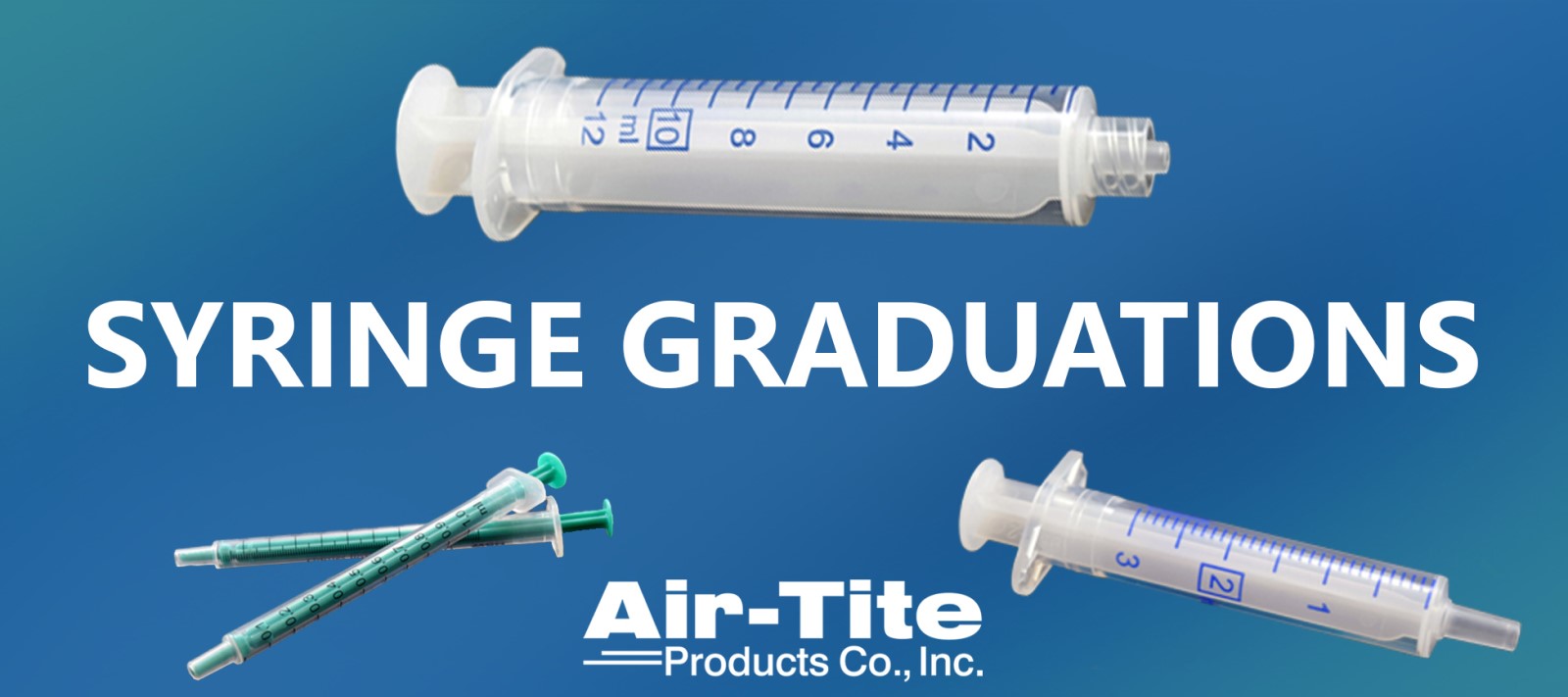
Look for syringes with clearly etched, permanent graduation markings — printed graduations degrade with repeated autoclaving or solvent exposure and introduce volumetric uncertainty over time.
A well-designed glass syringe system is not a commodity item. It is precision instrumentation — and treating it as such, from procurement through disposal, is the surest path to defensible, reproducible dissolved gas data. Options like Air-Tite DGA Glass Syringes and Truth Brand DGA Glass Syringes are engineered to support DGA sampling integrity, offering gas-tight construction, durable materials, and precise graduations for reliable results.
SHOP AIR-TITE DGA GLASS SYRINGES SHOP TRUTH BRAND DGA GLASS SYRINGES
There are currently a few different techniques used to apply PRP, exosomes, serums, ointments, and creams after skin procedures. The most common method is by dripping expensive products directly onto the skin with an open-ended syringe, which is extremely uncontrolled and wasteful. This approach also opens the risk for splatter into a patient’s eye. Another inefficient current technique is to attach a needle to the syringe as an attempt to control the placement and flow of the product, but this is extremely dangerous. If the patient moves suddenly or the syringe is dropped, the chance of a needle stick injury to the patient or provider is very likely. The CuraCator™ provides the solution to needle-free and controlled application of these expensive products to skin.
CuraCator™ - Sterile Topical Applicator
