

Needle/Needleless Selection for Different Animals & Applications

Needle/Needleless Selection for Different Animals & Applications

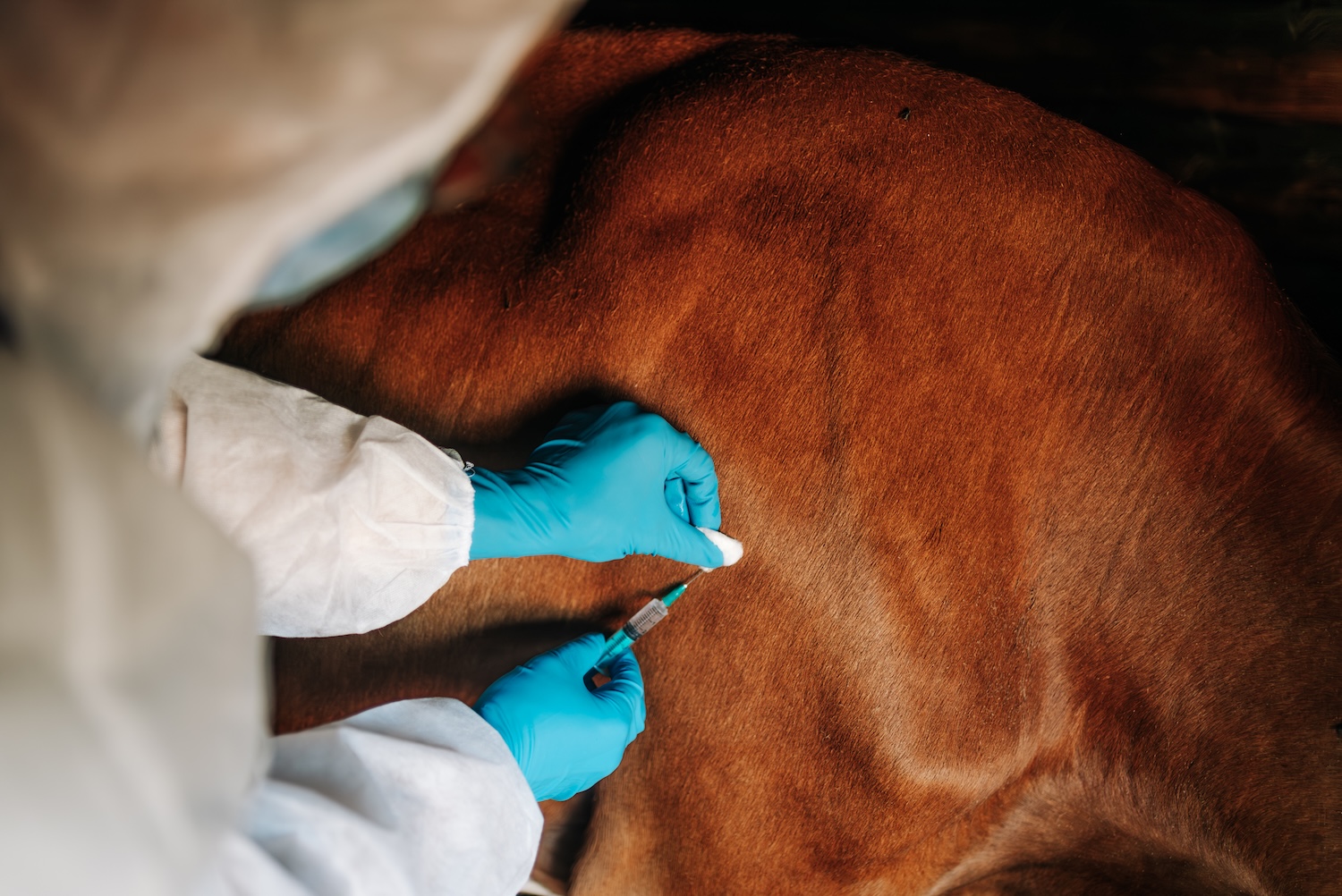
A practitioner administering an intramuscular injection in livestock using a needle and syringe for animal health application.

Selecting the appropriate injection method in animal health is essential to ensuring animal welfare, treatment success, and operational safety. With a variety of species, medications, and delivery routes to consider, needle selection for different animals and applications ensures dependable results across a variety of animal care settings.

Whether administering intramuscular injections to livestock or performing a subcutaneous vaccine in a small companion animal, the equipment you choose makes a measurable difference, and Air-Tite’s range of animal health products is designed to meet those needs.

Key Considerations in Choosing the Right Needle

Every injection scenario is different, and the wrong choice can lead to wasted medication, unnecessary animal discomfort, or even reduced treatment success. To support both animal health and operational efficiency, professionals across veterinary and farm settings should weigh several factors before selecting the right needle for the job.

  • Species and Size: Different animals have different anatomical needs. Larger animals with thicker hides and more muscle mass require longer needles and larger gauges.
  • Injection Site and Method: Whether the injection is intramuscular (IM), subcutaneous (SubQ), or intravenous (IV) will determine the appropriate needle length and gauge.
  • Medication Viscosity and Volume: Thicker medications, like some antibiotics or hormone treatments, may require a wider bore needle to allow easier flow.
  • Age of Animal: Younger animals require finer needles to minimize tissue trauma.
  • Handler Safety: The correct type of needle reduces the risk of needle stick injuries and improves control during administration.

Needle Size and Length by Species

Understanding species-specific needle sizes and injection methods is essential. Here's how it generally breaks down:

Small Animals (Cats and Dogs)

  • Needle Size: 22G to 25G
  • Needle Length: ½" to 1"
  • Common Uses: Vaccinations, antibiotics, hormone therapy, fluid administration
  • Considerations: Shorter and finer needles reduce tissue damage and discomfort in small animals. Using the correct needle can improve injection accuracy and reduce the risk of adverse reactions.

Livestock (Cattle, Swine, Horses)

  • Needle Size: 16G to 20G
  • Needle Length: 1" to 1.5"
  • Common Uses: Intramuscular injections, hormone therapy, high-viscosity medications
  • Considerations: A longer needle and larger bore are often required for deep IM injections, especially in larger muscles or through thicker hides. For operations using multi-dose or durable equipment, reusable options can provide efficiency and reliability.

Poultry

  • Needle Size: 18G-25G
  • Needle Length: ¼’’ - ½’’
  • Common Uses: SubQ or IM vaccinations in mass application
  • Considerations: Finer needles minimize trauma and are critical for effective delivery in small, delicate animals. For large-scale poultry vaccination, automated systems such as the poultry vaccinator offer speed and consistency.

Matching Needle Type to the Application

The effectiveness of any injection doesn’t just depend on species or medication—it also hinges on the delivery method. Different types of injections place different demands on the needle, from penetration depth to fluid flow. Selecting the right option promotes proper absorption, reduces animal stress, and enhances handler safety.

  • Intramuscular Injections: Require longer needles (typically 1" to 1.5") and gauges ranging from 16G to 20G, depending on the size of the animal.
  • Subcutaneous Injections: Often use shorter needles and smaller gauges (18G to 25G) to reduce pain and deliver medication into the fatty tissue below the skin.
  • Intravenous Injections: Require precision and an appropriate needle gauge to avoid vein damage. Blood draws and sample collection are also common procedures in animal care, and effective blood collection requires equipment that balances accuracy and animal comfort.

Types of Needles for Animal Health

Beyond length and gauge, there are several types of needles available for use in animal health settings. Materials, hub design, and reusability all influence performance in the field. Understanding these distinctions helps professionals choose tools that balance durability, precision, and safety features for their specific application.

  • Disposable Stainless Steel Needles: The most common option in animal health for single-use safety.
  • Reusable Needles: Favored in some farm operations for cost efficiency. Must be properly sterilized.
  • Specialty Needles: Designed for intra-articular injections, aspirating fluids, or delivering viscous medications.
  • Non-Silicone Coated Needles: Some horses are sensitive or allergic to the silicone coating used on standard needles. For these animals, we offer non–silicone-coated needles as an alternative.

Effective needle selection involves evaluating performance and safety features, such as locking hubs or protective sheaths, to reduce the risk of contamination or injury.

Needle-Free Injection Systems: A Modern Alternative

Needle-free injection systems are increasingly used in animal health practices. In many cases, these systems provide a compelling answer to the question of needle vs. needleless options for animals. These technologies use a high-pressure mechanism (e.g., spring-loaded or CO₂-powered) to deliver medication through the skin without a traditional needle.

Key advantages of needle-free injection:

  • Animal Welfare: Reduces pain and stress during vaccination or treatment
  • Biosecurity: Eliminates needle reuse and lowers disease transmission risk
  • Efficiency: Increases throughput in herd management
  • Handler Safety: Reduces the risk of accidental needle stick injuries

Product Highlight: EPIG® Needle-Free System

One example is the EPIG® device from Henke Sass Wolf—a battery-powered, handheld needle-free injector for intramuscular injections in piglets. It features intelligent sensors, low noise, no recoil, and a mobile app for documenting vaccinations. With adjustable dose sizes and digital data capture, it supports modern, humane, and traceable animal care.

Air-Tite offers a range of re-usable and automatic vaccinators for livestock and poultry, supporting high-throughput vaccination with minimal stress and maximum efficiency.

Why Needle Selection Matters

Whether you're managing herd health on a cattle ranch or administering vaccines in a companion animal clinic, needle selection for animal applications should never be an afterthought. Using the correct size, type, and delivery method improves outcomes, safeguards animal health, and reduces the risk of complications.

Air-Tite specializes in high-quality needles, syringes, and re-usable vaccination systems - spring powered, pneumatic and electric - tailored for animal health applications. Our expert team supports animal health professionals with the tools they need to achieve safe and effective treatments, no matter the species or application.

With decades of experience supporting veterinarians, distributors, and farm operations, Air-Tite is more than a supplier—we’re a trusted partner in animal health, known for reliable product availability and specialty tools that simplify everyday practice.

SHOP ANIMAL HEALTH PRODUCTS

Loading...