




Your shopping cart is currently empty.
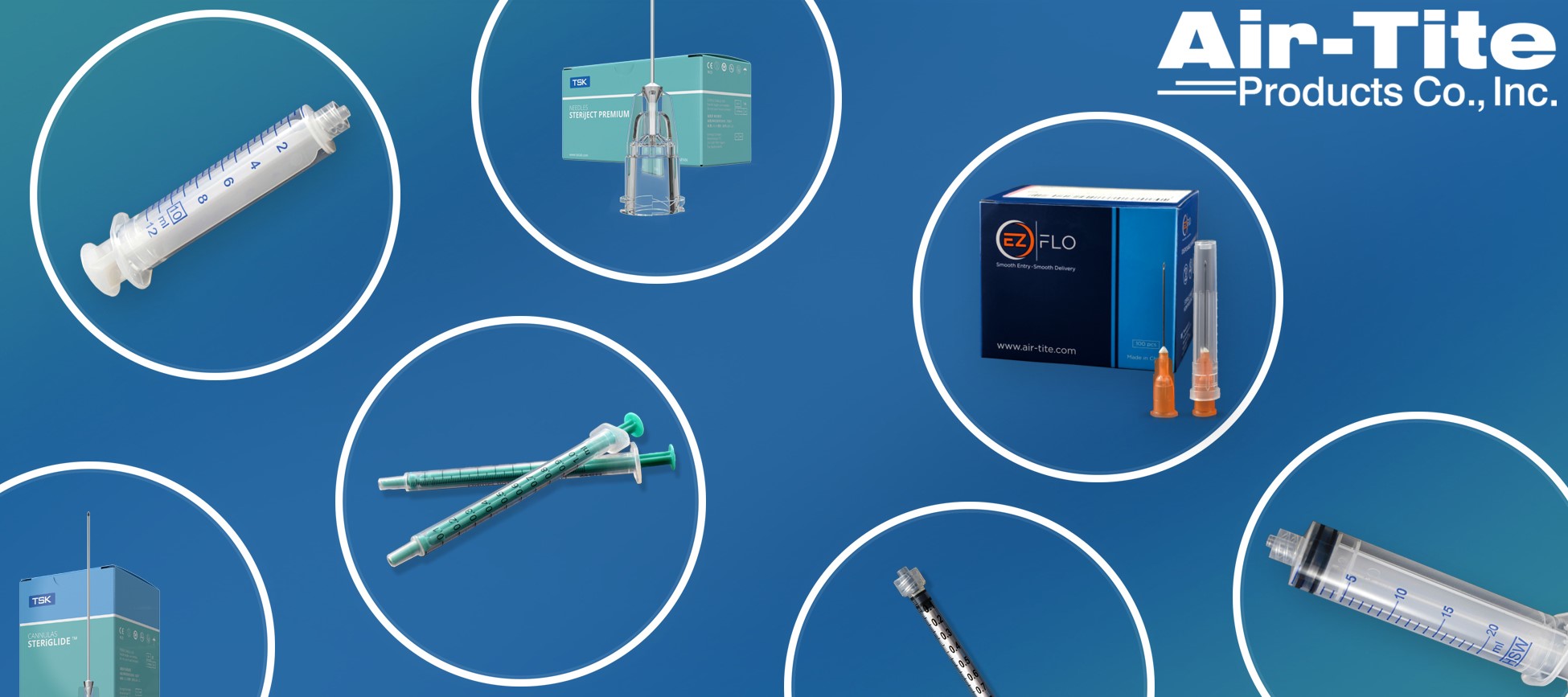
Selecting the best syringes and needles for compounding pharmacies is more than a matter of preference—it directly impacts product stability, dosing accuracy, and cost control. In sterile and non-sterile compounding pharmaceutical applications, the wrong syringe size, incompatible materials, or excess dead space can introduce measurable risk into the preparation process.
When evaluating syringe and needle selection for compounding pharmaceutical applications, professionals must consider several technical risks:
Certain syringe components, such as rubber plungers, silicone oil lubricants, or specific plastics, may interact with compounded formulations. These interactions can cause adsorption, leaching, or chemical instability. For sensitive preparations, selecting a silicone oil-free 2-part syringe or a glass syringe may reduce the risk of unwanted contamination.
Precise measuring is critical in compounding environments. An incorrect syringe size or poor graduation accuracy can lead to under- or over-dosing. Additionally, excess dead space in a syringe and needle combination may affect final volumes—particularly in small-dose preparations where even minor discrepancies are significant.
Dead space and improper needle gauges can lead to unnecessary product loss. For high-value medications, even small residual volumes can create measurable financial impact. Choosing the best needles for compounding pharmaceutical applications often means selecting low dead space (LDS) designs to reduce waste.
There is a wide range of syringes and needles available to support different compounding needs. Selection typically depends on:
For example, many 3-part syringes include a rubber plunger and silicone oil lubricant. While suitable for many healthcare professional settings, these components may not be ideal for certain sterile compounding pharmaceutical applications. Understanding 2-part vs. 3-part syringe design differences can help clarify how material construction impacts compatibility and workflow considerations.
By contrast, 2-part syringes eliminate the rubber plunger and silicone oil. This design helps reduce the risk of interaction with sensitive compounds and is frequently preferred in laboratory and pharmaceutical environments.
Air-Tite supplies a wide range of syringe options, including 2-part, 3-part, and glass configurations, along with compatible gauge needles in multiple lengths to meet diverse compounding requirements.
The average needle contains measurable dead space at the hub when the plunger is fully depressed. This residual volume can average approximately 99 µL per syringe. In a standard 0.5 mL dose, that can translate to 4–8% product waste.
TSK Low Dead Space Needles are engineered with Low Dead Space (LDS) technology to reduce residual volume to effectively zero. For high-cost compounded preparations, this can result in savings of approximately 20–40 microliters per dose.
Key features include:
For compounding pharmacies prioritizing waste reduction and dose efficiency, LDS technology can deliver measurable cost advantages.
NORM-JECT® and HENKE-JECT® 2-part syringes are widely used in pharmaceutical and laboratory environments. These syringes include:
Manufactured from laboratory-grade polypropylene and polyethylene, these syringes are designed to support chemical resistance needs in many compounding workflows.
Available in multiple mL syringe sizes—including 3 mL syringes, 10 mL, and 20 mL options—they are compatible with both Luer lock and Luer slip connections, allowing flexibility across different setups.
Gustavo B. Melo, MD, Ph.D., writing in Modern Retina, notes that “the ideal syringe for administering intravitreal injections does not exist.” He also highlights concerns that intravitreal injections may introduce silicone droplets into the vitreous, as many syringes are manufactured with silicone oil to improve plunger glide.
In a separate study, C. Júnior et al. evaluated syringe agitation and silicone oil release, concluding that agitation promotes the release of silicone oil and recommending improvements in injection technique, as well as the development of syringes specifically designed for ophthalmological use.
Ideal characteristics for ophthalmic compounding syringes include:
Air-Tite offers multiple needle options for ophthalmic applications:
Syringe and needle selection ultimately depends on the specific application and formulation. A pharmacy may use:
Because compounding workflows vary, selecting the appropriate syringe size, needle gauge, and hub style is essential to maintain accuracy and minimize waste.
There is no one-size-fits-all solution when determining the best syringes for compounding pharmacies or the best needles for compounding pharmaceutical applications. Selection depends on formulation sensitivity, required precision, volume, and cost considerations.
Key takeaways:
Air-Tite maintains a wide range of syringes and needles to support sterile compounding, ophthalmic preparations, high-value formulations, and general pharmaceutical applications. With multiple manufacturers and consistent inventory strategies, along with specialized options including LDS technology, Air-Tite helps compounding pharmacies maintain precision, efficiency, and reliability in daily operations.
Explore our full selection of syringes and needles to support your compounding pharmacy needs.
See Our Syringes