











Your shopping cart is currently empty.
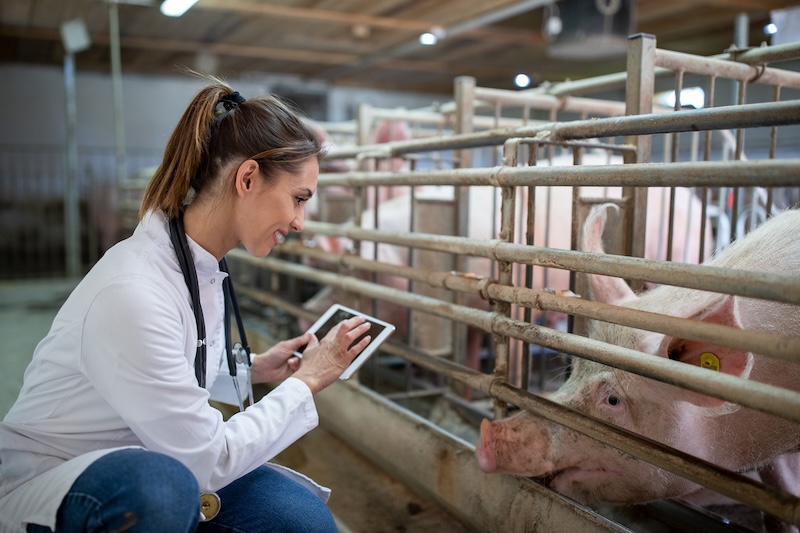
Air-Tite delivers specialized veterinary needles and syringes engineered for superior performance, reliable supply, and exceptional value. Animal health professionals across agriculture, veterinary medicine, research laboratories, and universities trust Air-Tite for products that improve efficiency, accuracy, and animal care outcomes.
As a leading supplier of premium animal health products, Air-Tite proudly offers Henke-Sass, Wolf (HSW®) veterinary injection systems, renowned worldwide for German-engineered precision, durability, and reliability. HSW products are trusted by veterinarians, livestock producers, and animal health specialists for demanding applications ranging from routine vaccinations to large-scale herd health programs.


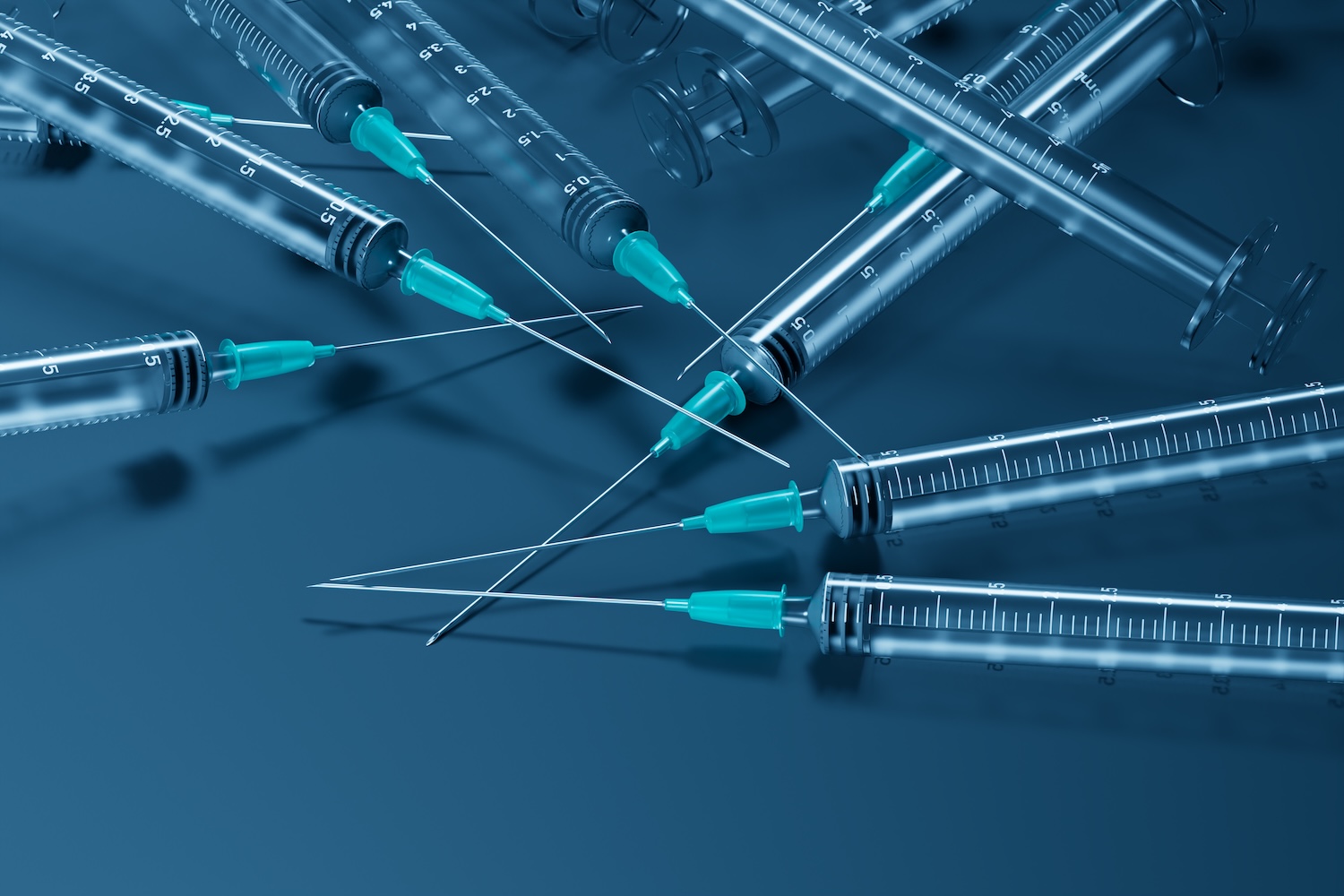
From robust multi-dose solutions for at-scale agricultural applications to hypodermic needles and other supplies for busy practices, Air-Tite offers a quality brand-name solution for your animal health syringe and needle needs.

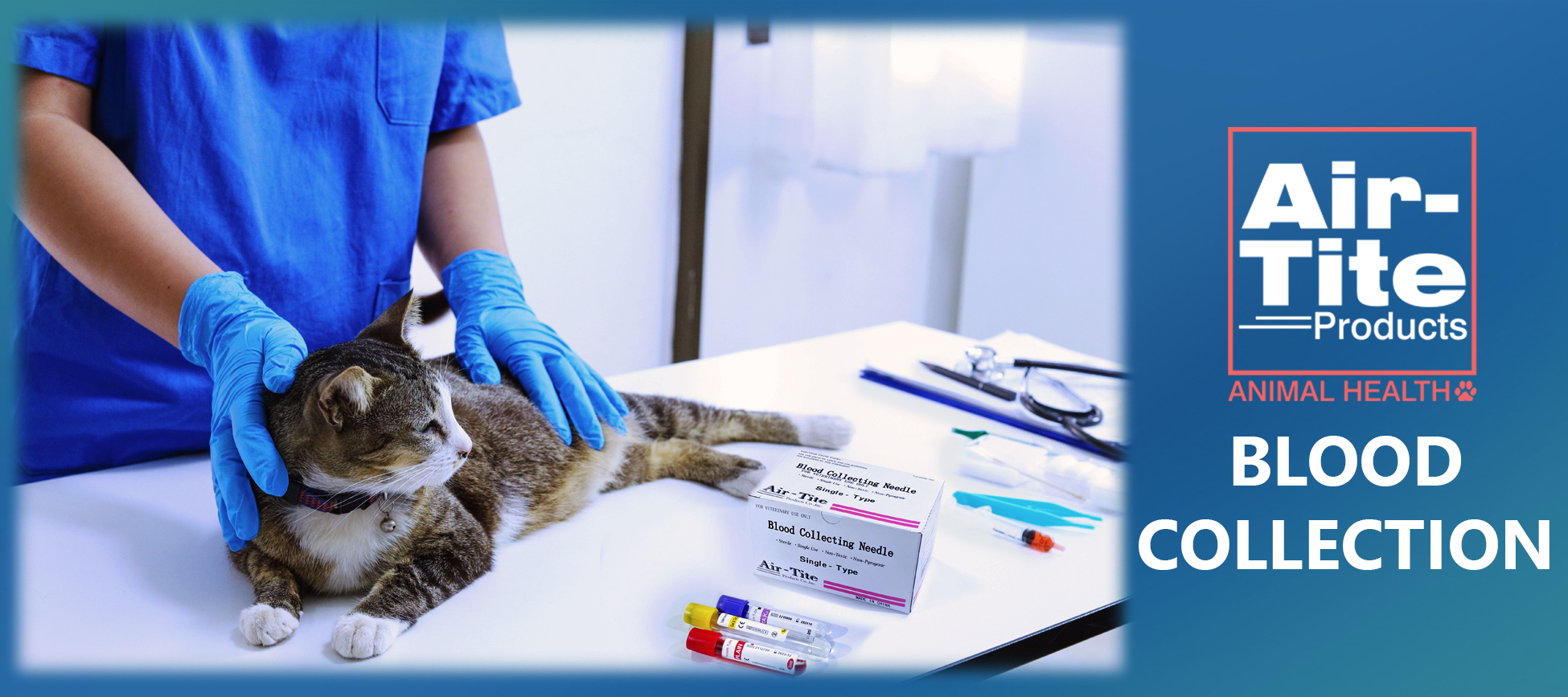
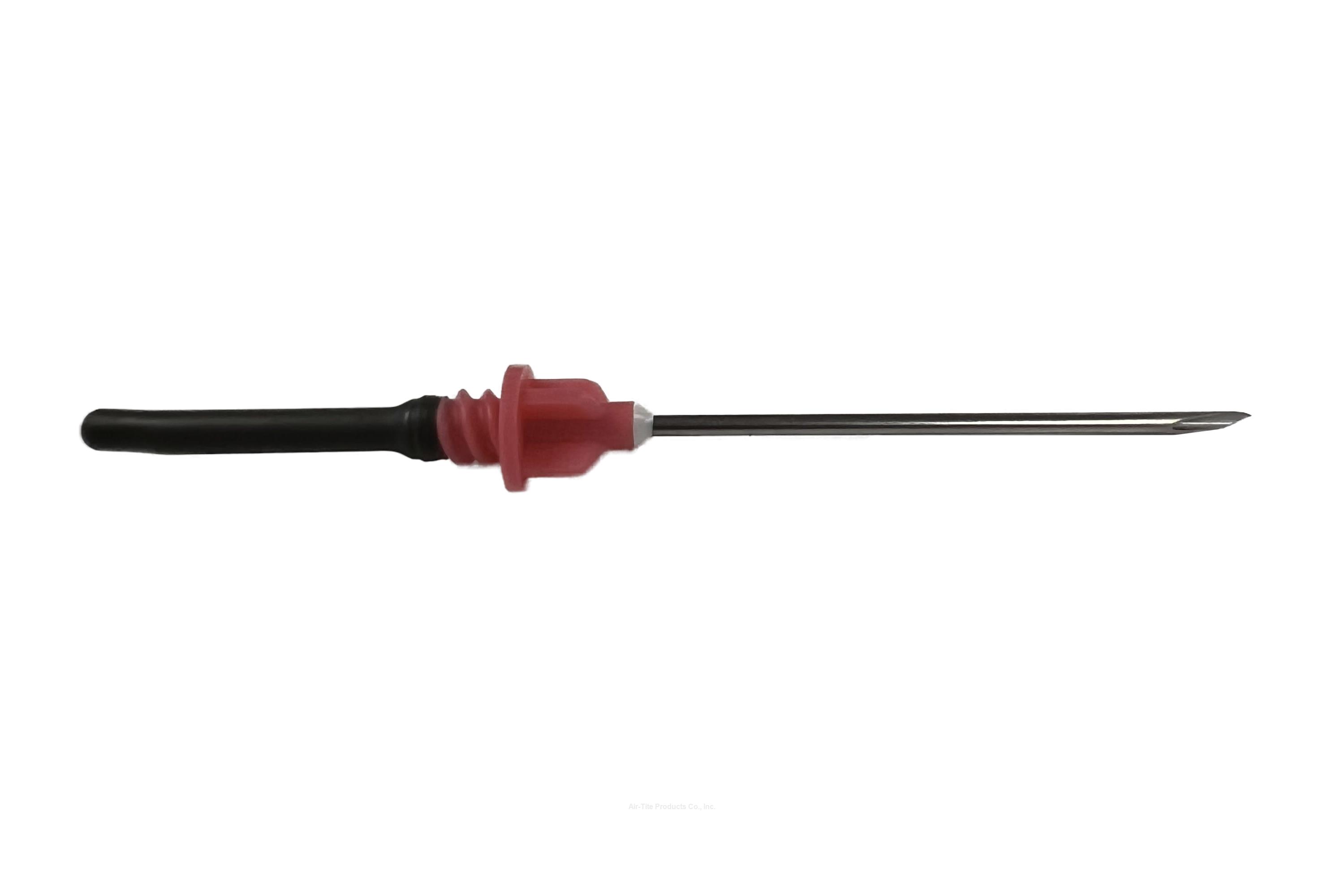 Air-Tite Premium Vet Blood Collecting Needles
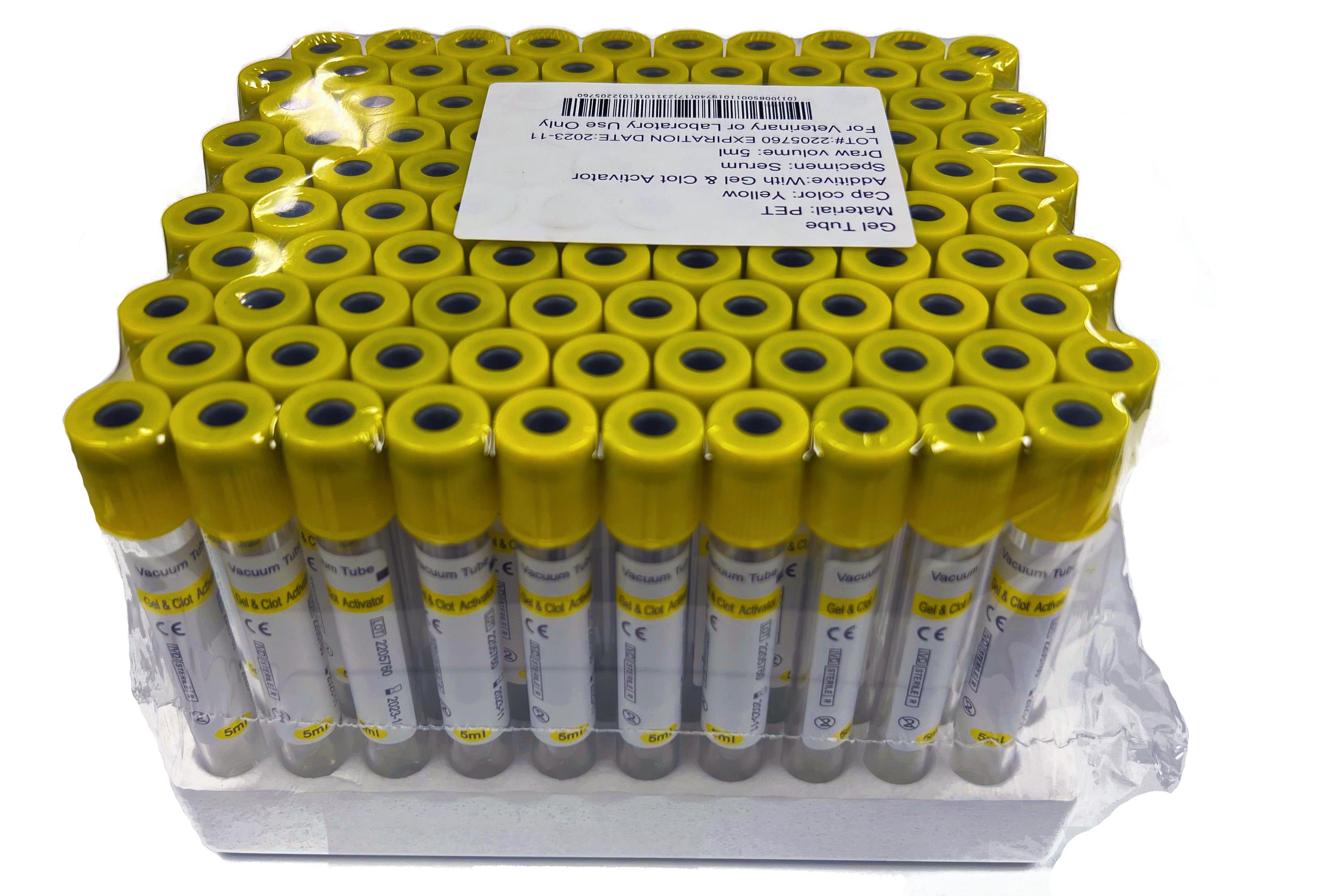 Vet/Lab Blood Collecting Tubes
You work hard to deliver quality animal health care at an affordable price. Partner with an equipment provider who matches your commitment to service and reliability. Contact Air-Tite directly for personalized service or get in touch with a local Air-Tite distribution partner near you.
Our wide network of certified distribution partners serves the agricultural industry, domestic and companion animal practices, academic programs, research labs, blood collection kit manufacturers, and others.

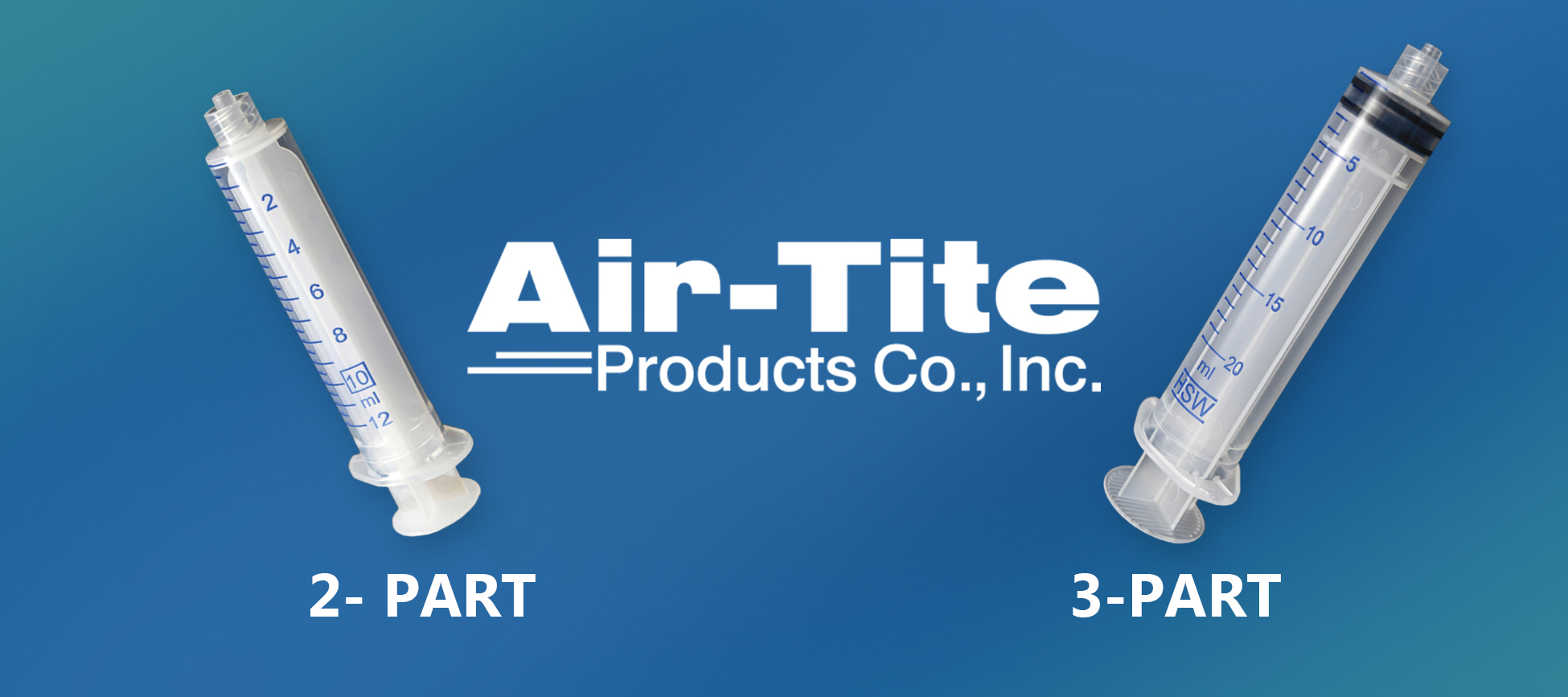
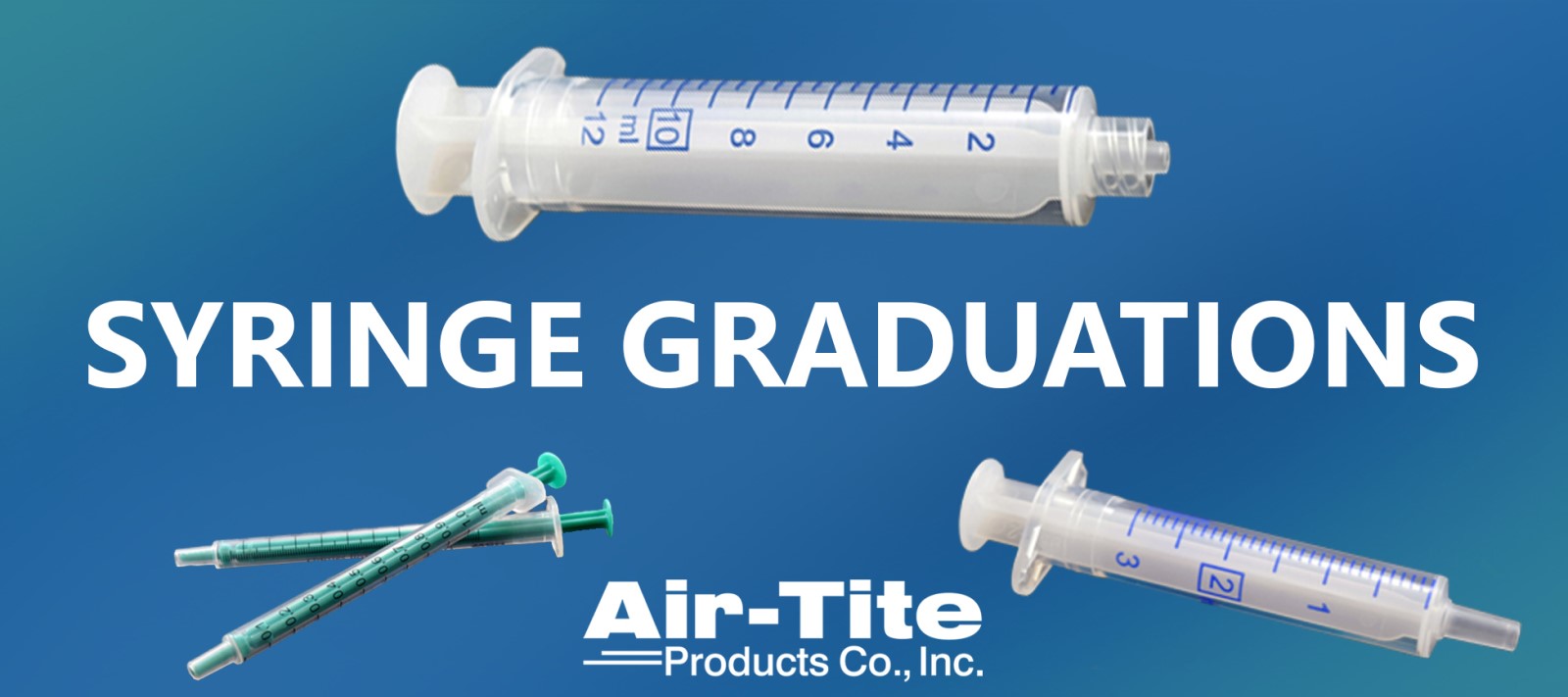
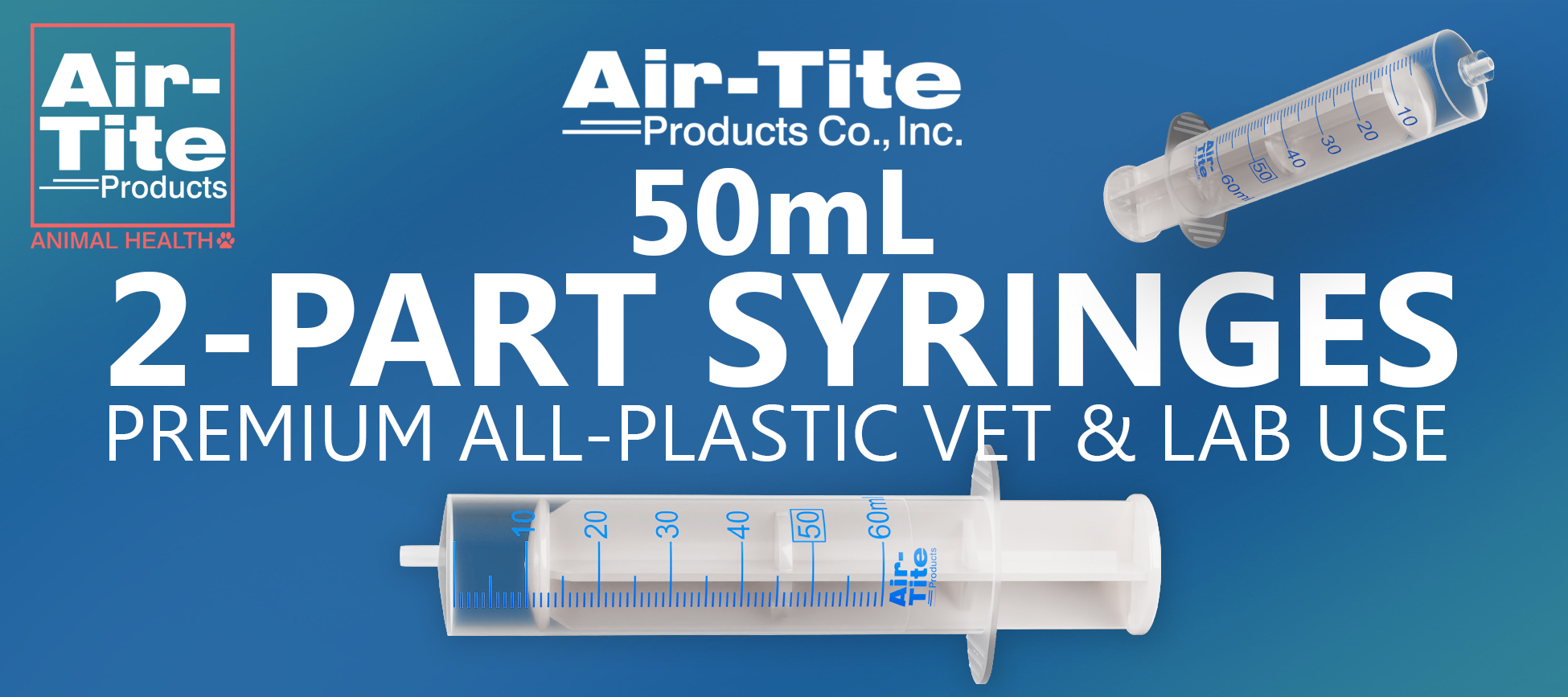
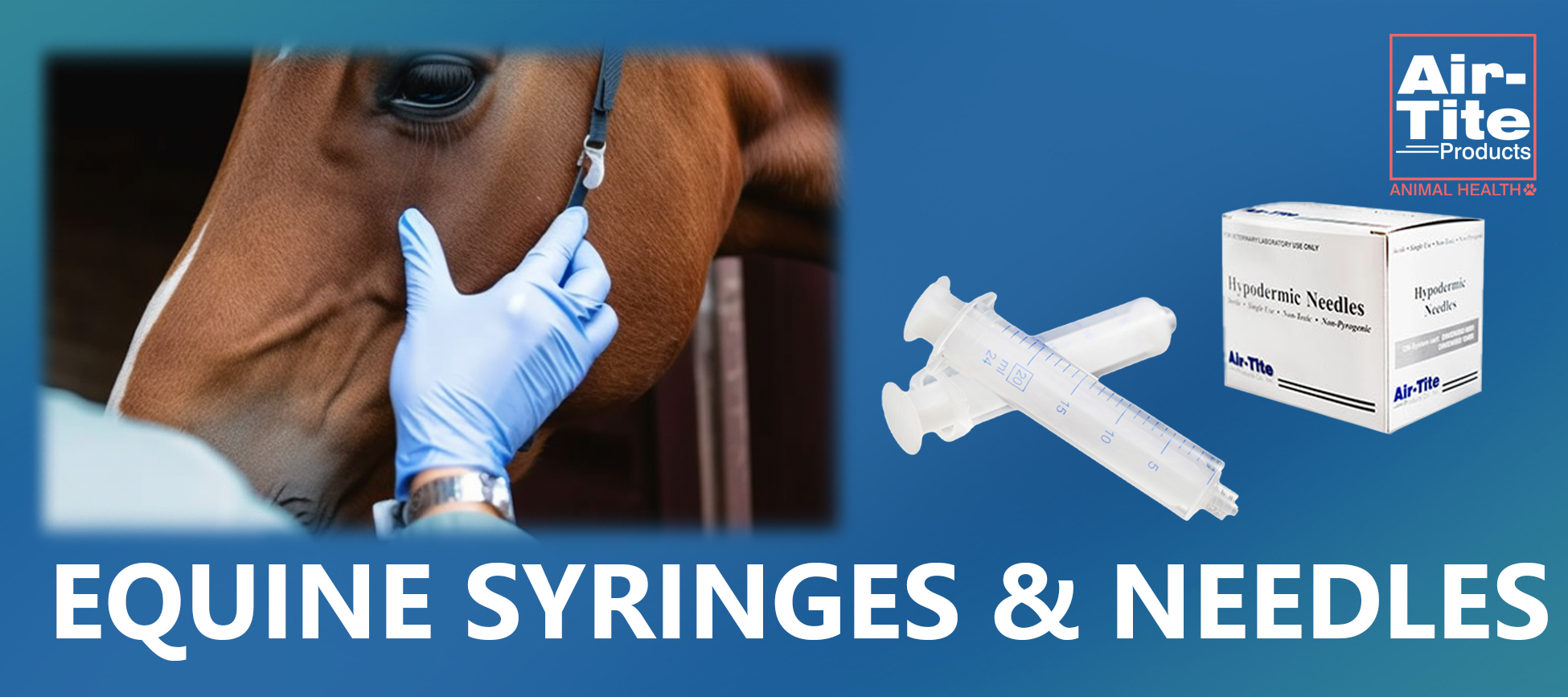
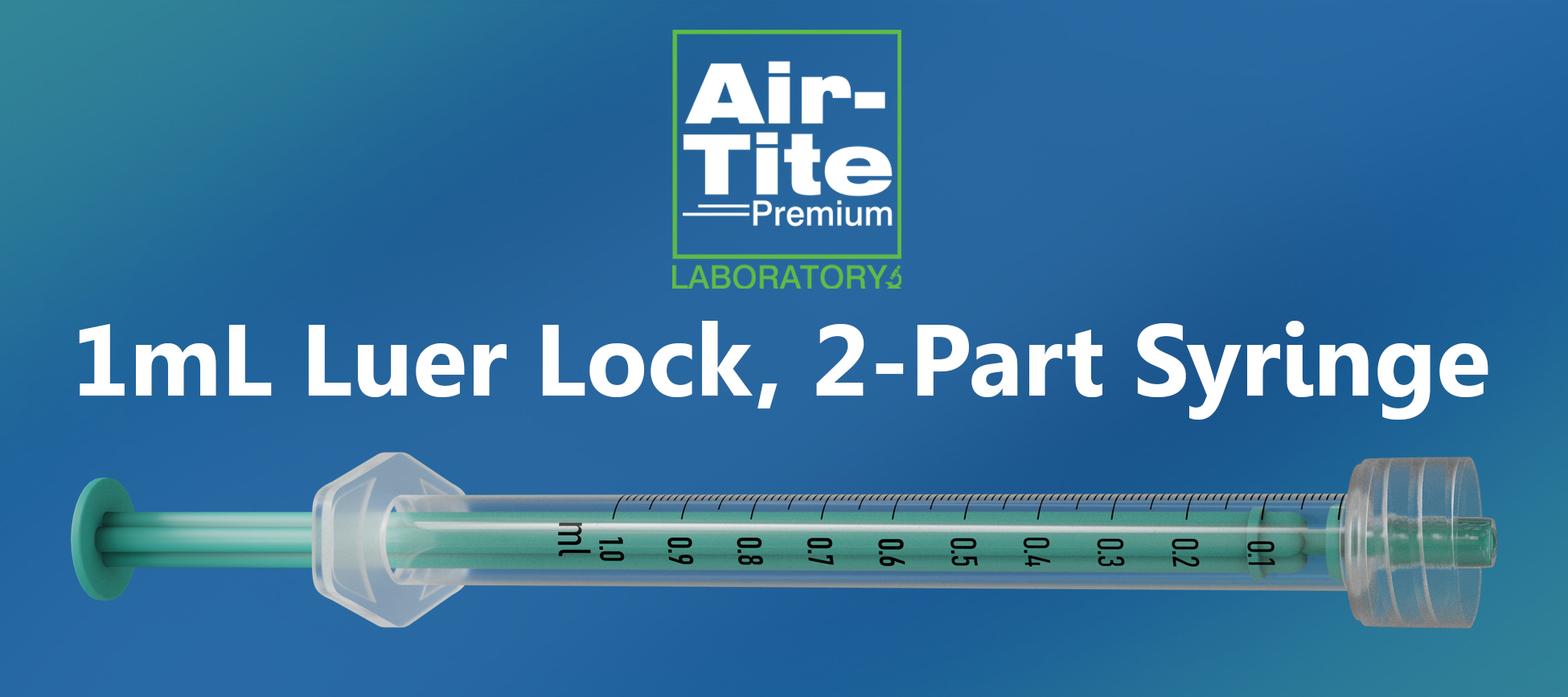
Yes! Air-Tite offers two-part, all-plastic, oil-free syringes designed for veterinary use. Both Luer Slip AND Luer Lock syringes are available in a range of sizes from 1 ml to 50 ml and in sterile or unsterile packaging.
Air-Tite can manufacture vacutainers customized to our customer’s specific needs. Select the tube size, tube material, cap style and color, and labeling combination that you need. We also offer additive/non-additive, clot-activator, and EDTA K2/EDTA options.
Air-Tite’s unbeatable selection includes rare, specialized, and hard-to-find needle and syringe combinations, (such as 1 ml/25Gx⅝” — available with both Luer Slip and Luer Lock).
If we are out of stock, or a product has been discontinued, we can help source an appropriate substitute from another manufacturer or distributor. Another Air-Tite advantage is that if we are unable to source a product, we can develop a custom product (syringe, needle, or vacutainer) for any customer or distributor.
September 03, 2026
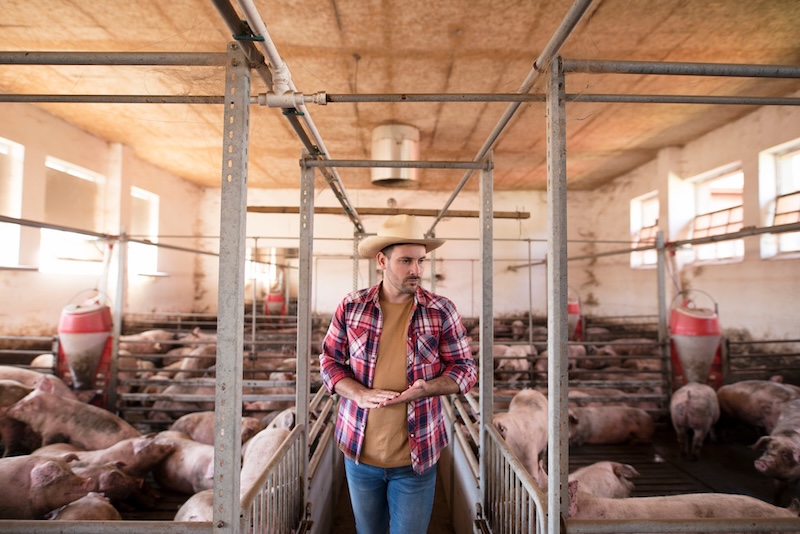
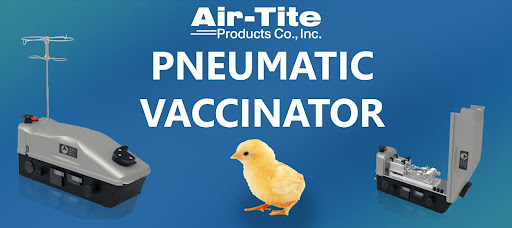
Needle-free vaccination may have a role across several areas of livestock production, but its suitability is not universal. Vaccine requirements, animal characteristics, facility layout, and veterinary direction all influence equipment selection.
For producers, veterinarians, and livestock teams reviewing animal health equipment, the more useful question is where needle-free technology may offer practical value. Common needle-free vaccination applications include piglet and nursery programs, high-volume group vaccination, internal biosecurity priorities, reduced sharps handling, and operations seeking flexibility in how vaccination equipment is configured and documented.
At World Pork Expo, Air-Tite Sales and Marketing Manager Jordan Clay discussed several of these use cases, including mobile equipment, vaccine supply configurations, biosecurity, and connected technology.
Common Applications of Needle-Free Livestock Vaccination
Group size, animal movement, staffing, equipment mobility, and vaccine requirements can all influence where needle-free equipment may be appropriate. The following use cases show how those factors come into play.
Piglet and Nursery Programs
Piglet and nursery programs frequently involve group vaccination rather than isolated, single-animal events.
For teams working through substantial numbers of animals, device mobility and needle handling become factors alongside vaccine labeling, route, animal size, and equipment specifications.
Needle-free devices are not interchangeable, and findings tied to one device or route should not be generalized to another. Veterinary direction and product labeling are central to equipment selection.
High-Volume Group Vaccination
As vaccination volume increases, equipment logistics take on greater importance. That makes high-volume group work one of the more common applications of needle-free livestock vaccination.
Needle-free devices do not require an individual vaccination needle to be managed between animals, reducing one source of sharps handling during group work.
Facility layout and animal movement help determine whether a mobile or more stationary workflow is practical. A barn that favors equipment traveling with the user presents different requirements from one that can accommodate a fixed arrangement.
Vaccine supply configurations also vary by device. Bottle-mounted and draw-off formats, including arrangements for larger-volume containers, can be assessed alongside group size, available space, and labor requirements.
Internal Biosecurity Considerations
Internal biosecurity priorities can make the shared-needle pathway more significant when crews move through groups of animals in succession.
Experimental swine studies involving African swine fever virus and porcine reproductive and respiratory syndrome virus have demonstrated transmission through contaminated or shared needles under study settings. Comparable transmission was not observed with the intradermal needle-free methods examined in those studies.
The methods evaluated in those studies were intradermal, so the findings should not be generalized to all needle-free devices or routes.
For operations focused on internal biosecurity, reducing reliance on a shared conventional needle may lower the risk associated with one potential route of animal-to-animal transfer. It does not make a facility inherently biosecure; sanitation, personnel practices, animal movement, equipment care, and broader veterinary health management remain important.
This is one reason internal biosecurity is included among the broader benefits of needle-free vaccination for livestock.
Reducing Sharps Handling
Reducing routine sharps handling is a separate use case.
Conventional needles can bend or break during use, creating the possibility of retained fragments as well as accidental needle-stick injuries. Needle-free vaccination does not involve a conventional vaccination needle during delivery, so handling that sharps component is not part of the vaccination task.
This can be more significant when vaccination work is repetitive or occurs in close quarters around moving animals. Other occupational and animal-handling risks persist.
Conventional equipment is appropriate in many livestock programs. Species, product labeling, delivery route, and veterinary direction continue to shape needle and needleless selection, with neither approach being universally preferable.
Connected Recordkeeping
Certain newer needle-free devices also include digital features for documentation and accountability.
Connected equipment can be particularly useful in livestock programs where vaccination activity spans multiple crews, animal groups, barns, or production sites. App-based information can give managers a clearer view of activity across those areas and complement existing quality-assurance, audit, and veterinary documentation.
Matching the Equipment to the Production Setting
The best use cases for needle-free livestock vaccination are shaped by factors beyond herd or flock size.
Species, vaccine label, approved route, animal size, barn layout, throughput, labor needs, equipment configuration, and veterinary direction all factor into device selection.
A mobile configuration that works well in one swine facility may be less practical in another, just as bottle-mounted or draw-off formats can carry different value based on how vaccination work is organized.
This is also where product knowledge matters. Understanding the differences among needle-free devices, conventional vaccinators, reusable syringes, and other animal health equipment can help procurement teams and veterinary professionals narrow the field without treating one technology as universally applicable.
Specialized Equipment for Livestock Vaccination
Needle-free vaccination may have particular value in piglet and nursery programs, high-volume group work, facilities with internal biosecurity priorities, and those seeking to reduce sharps handling. Connected features and vaccine supply configurations add further flexibility, but equipment selection remains specific to each livestock program.
One example available from Air-Tite is the HSW JET-PACC from Henke Sass Wolf, a needle-free electronic intramuscular injection system with a wearable two-part configuration for high-throughput vaccination.
Matching equipment to livestock production requirements involves a broader set of factors than needle versus needle-free technology alone. Air-Tite serves as a resource for veterinarians, producers, distributors, and procurement teams comparing vaccinators, syringes, needles, and other animal health equipment across different livestock environments.
Browse Air-Tite’s Animal Health portfolio or contact our team with questions about choosing the right products.
This article is provided for informational and educational purposes only and is not veterinary advice. Product labeling, manufacturer requirements, and qualified veterinary guidance should inform vaccination-related decisions.
References
Collecting a Blood Sample for Biotracking or other Pregnancy test systems, typically will require the use of a Single-Type blood collection needle (18g x 1” or 20g x 1”), 3ml red top Blood Collection Tubes, and a needle holder. Do not re-use the needles, as this can cross contaminate your sample and give false readings.
Get detailed instructions here.
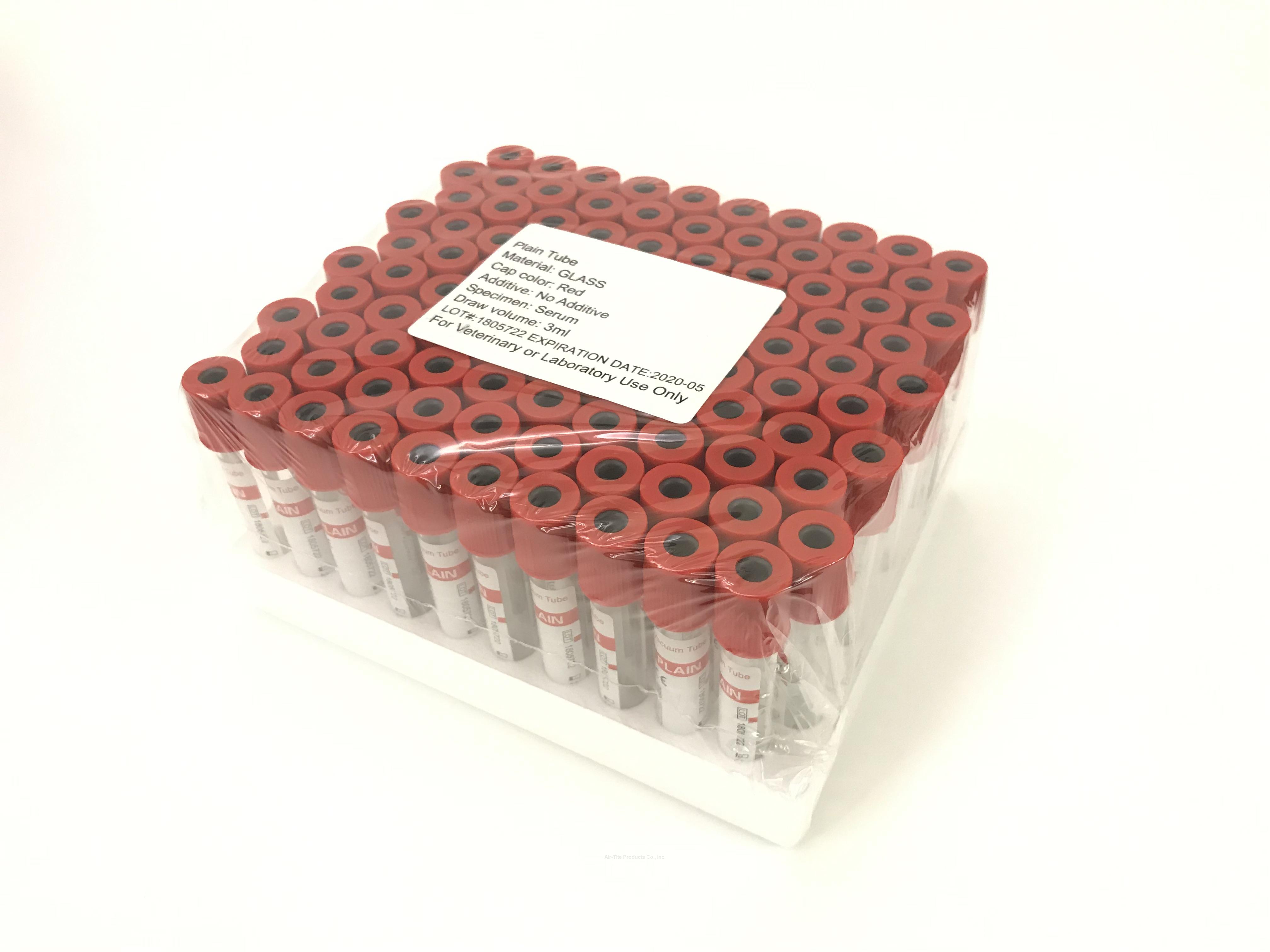 Vet/Lab Blood Collecting Tubes
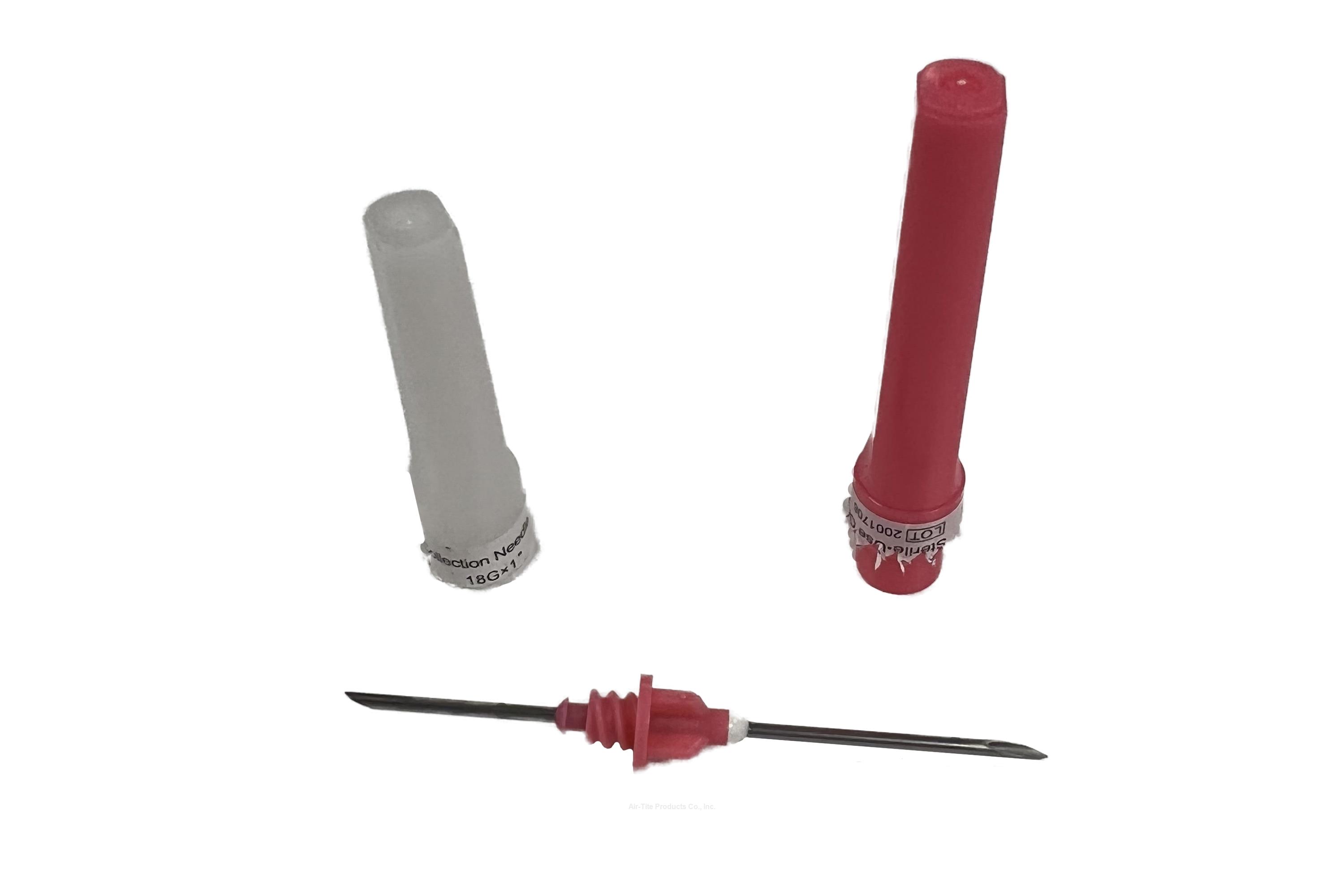 Air-Tite Premium Vet Blood Collecting Needles
